The midterm elections are just around the corner, with early voting already underway in many places.
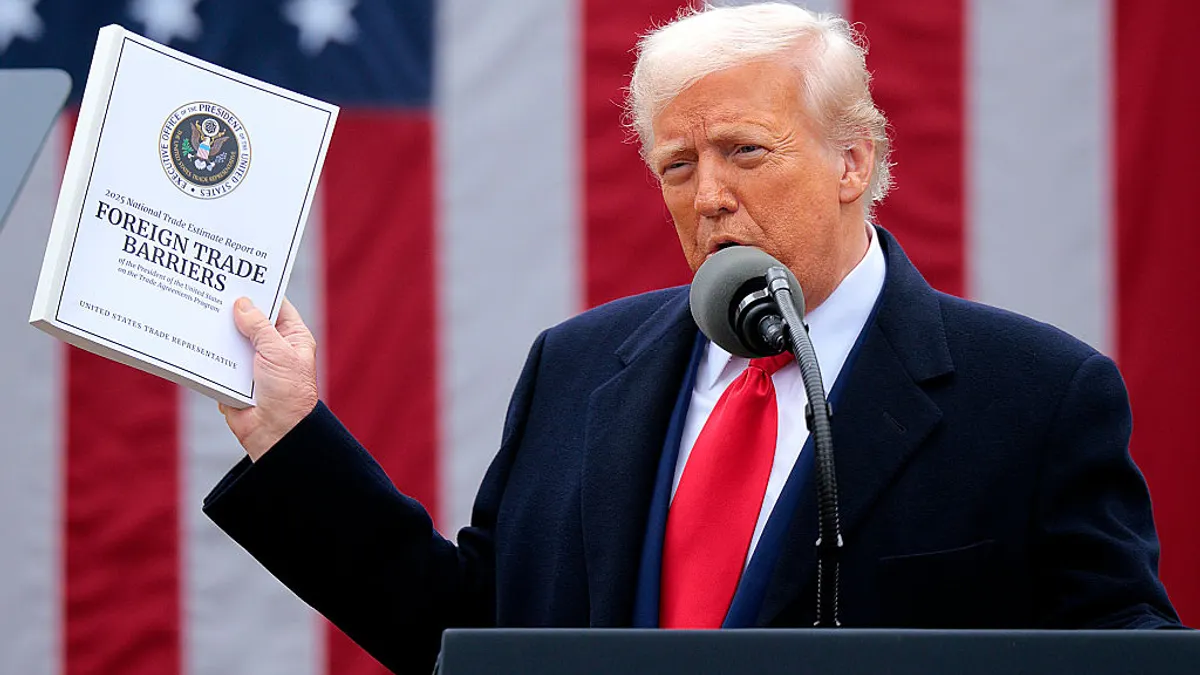
So far, political campaigns have served as referenda on affordability and on controversial actions undertaken by President Trump’s administration, ranging from tariffs on major trading partners to the war with Iran. Polls currently favor the Democratic Party to take at least one house of Congress. That outcome shouldn’t be a surprise given recent history, according to Sean Kennedy, chief advocacy officer at the National Restaurant Association.
“There has been a consistent mandate for change in virtually every election since 2000. There have been 13 midterm or presidential elections since 2000. In 11 of those, there's been a change in power, in either the House, the White House, or the Senate,” Kennedy said during a pre-election media briefing last week.
Beyond partisan control, Kennedy said this tendency toward change means trade associations have to prioritize a flexible approach to politics — no single party can guarantee an industry’s interests.
“Actions in Washington can have a tremendous impact on the price of a restaurant meal or restaurant item that customers are looking at,” Kennedy said.
The NRA’s priorities haven’t shifted much, Kennedy said, and the association plans to defend the tip credit, advocate for immigration reform and argue against tariffs on foodstuffs — all areas Kennedy identified as priorities earlier this year.
Restaurant Dive has spent the last six months identifying key issues facing restaurants and taking the industry’s temperature on political issues, ranging from municipal outdoor dining regulations to national public health issues. Check out the following articles to get a sense for what’s at stake in 2026 and where regulation may be heading, regardless of who controls Congress.