Fast food chains’ battle over having the lowest price appears to be coming to an end.
Value will remain an important conversation among restaurant chains, particularly QSRs, but messaging has started to shift toward product quality, said Peter Saleh, managing director and restaurants and food distributors analyst at U.S. Bancorp | BTIG, in an emailed report about Q3.
“While we don't expect any of the quick-service operators to abandon value, we think the deep value war is over, and all have lost,” Saleh wrote in his October report.
When the value wars originally started up in 2024 among fast food chains focused on price, combos and buy-one-get-one offers, Saleh predicted that such deep discounting would likely help large chains gain share from independents, but any improvements to restaurant margins would likely be muted.
The goal of QSR’s price-centric value offers was to increase traffic, but that didn’t happen. Instead, chains are facing weaker margins and lower stock prices, Saleh said.
“We are optimistic that fewer, less frequent deep discounts will result in higher margins as the prior strategy degraded margins with little to no offsetting traffic gains,” Saleh said.
QSRs move away from discounting
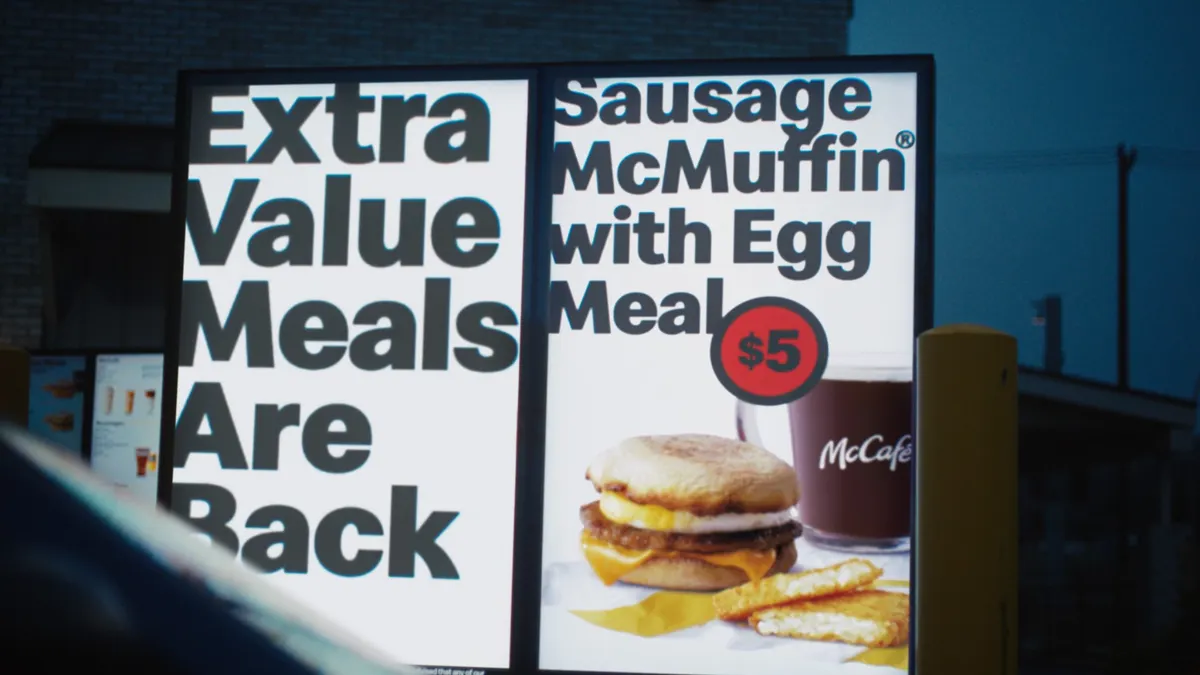
The biggest public shift occurred at McDonald’s in recent months, after management shared in August that its $3 and Under menu failed to gain traction among consumers.
“It's no secret that McDonald's fumbled the rollout of the 10 items for under $3 platform this summer, with roughly one-third of franchisees not executing the value platform to plan,” Saleh said. “This led corporate to terminate the national advertising for this deep value program.”
During McDonald’s Investor Day last month, McDonald’s hardly mentioned anything about its value proposition, instead highlighting its Gold Standard for its menu and outlining plans to upgrade its burgers, launch hand-breaded chicken and offer more items to appeal to GLP-1 consumers, Saleh said.
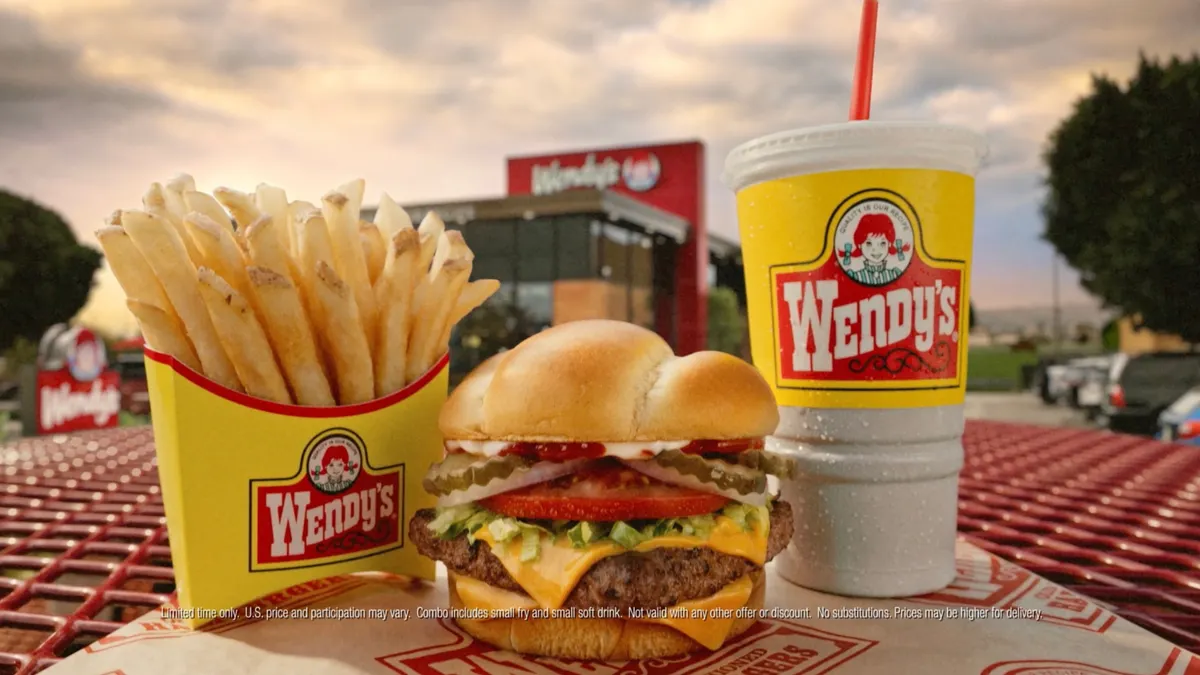
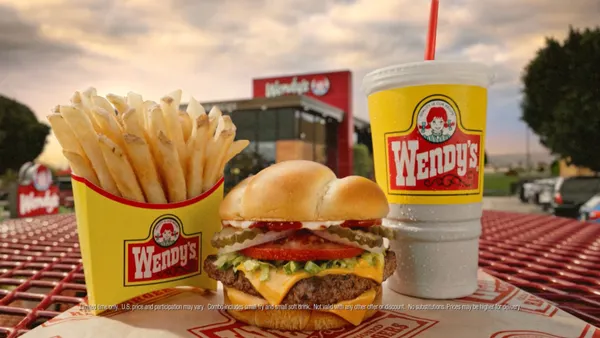
Wendy’s is also shifting away from its Biggie Bag deals, which CEO Bob Wright said in August were complex and “value diluting.” Earlier this week, the chain said it will offer a Dave’s Single Meal for $7.99 for a limited time, showing that it is still willing to test price-specific offers. Saleh noted, however, that it is emphasizing its ongoing Fresh, Never Frozen messaging.
Burger King has been emphasizing food quality and reaping the rewards. Improvements to its Whopper helped the chain post record-breaking comps during the second quarter, far outpacing its QSR burger cohorts. It’s likely that Burger King’s updated chicken nuggets also helped drive comp and traffic growth during the third quarter.
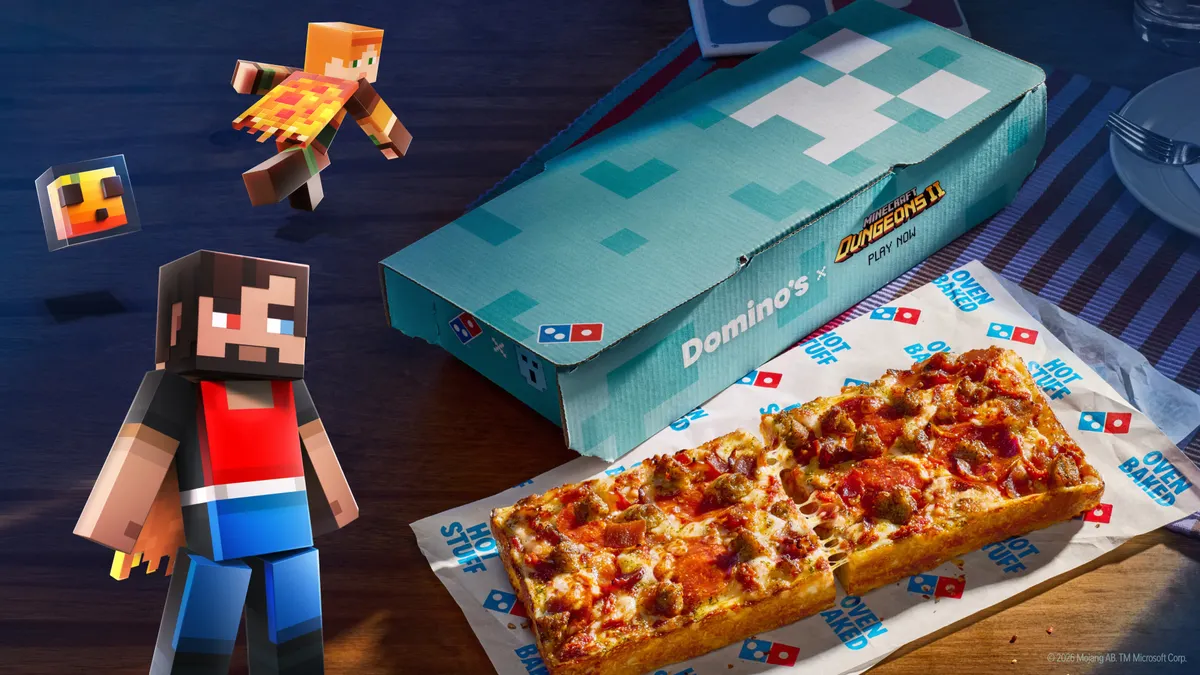
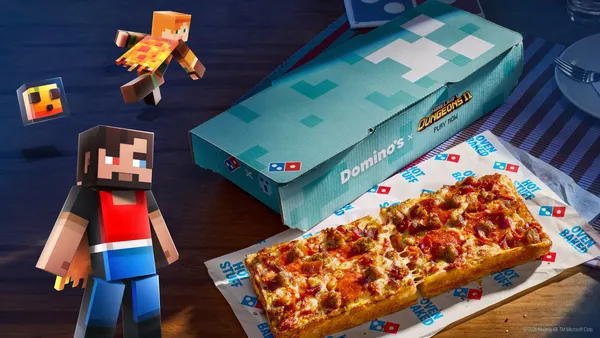
Domino’s, which released its Q3 results earlier this month, said while order counts rose, average tickets fell, indicating a potential drawback of value-heavy strategies. Domino’s previously said it planned to use its deep pockets to outlast its pizza rivals in the value war.
The chain plans to continue to use marketing initiatives to help drive guests to Domino’s to try its menu items. For example, it added its Stuffed Crust to its Best Deal Ever during the summer, which helped drive trial. After the promotion ended, customers returned and bought the product again at its full price, which can help drive average ticket sales.
Value-centric offers continue to be profitable at its locations and order growth remains strong, CEO Joe Jordan said during the chain’s Q3 earnings call. While its competitors have increased their activity on value, Jordan suggested that the activity likely won’t last.
“As [competitive] pressures subside, we can potentially lessen some of that value,” Jordan said. “And through things like our new website, we're working on more targeted promotions to customers to drive that item per order up over time.”
Who continues to win on value?
Fast casual chains, some of which struggled in recent quarters, continue to benefit from strong perceived value. William Blair analyst Sharon Zackfia expects Cava, for example, to post same-store sales growth of over 3% for the third quarter.
Cava has consistently priced under inflation since 2019, while benefiting from growing brand awareness as it quickly opens restaurants across the country.
Cava’s value scores continue to increase, even though customer income has been falling, she said.
“The brand’s strong value proposition alongside its health-conscious and extensively customizable menu has positioned it well to benefit from both trade up from quick service and trade down from casual dining,” Zackfia said.
Dutch Bros and Jersey Mikes also maintain a strong value proposition and both have taken as little price as possible, Zackfia said.
Shake Shack has been deploying price-based promotions with $2 sodas, $4 fries and $6 shakes on its app and website and offering free Chicken Sandwiches on Sundays with a $10 or higher purchase, Zackfia said. The chain balanced this strategy with seasonal shakes and a premium West Coast LTO menu that included items with honey mustard marinated pickles and caramelized onions.
“Shake Shack also leaned further into its growing data analytics capabilities with behavior-based communications and targeted offers to drive frequency, [accelerate] second visits, and strengthen retention,” Zackfia said.