The summer of Cyclospora may be in the rear-view mirror, but the outbreak’s scale — and what it reveals about vulnerabilities in the American food supply — forebode more risk ahead for restaurants.
Tens of thousands of Americans have fallen ill with cyclosporiasis, a parasitic illness that causes severe diarrhea and can linger for weeks, since May. The prevalence of infections over the past eight months is about 26 times higher than infection rates in a typical year, according to the Centers for Disease Control and Prevention.
The agency measured up to 31,000 cases as of the end of August, but the true scope could be worse. State health departments, which use less conservative criteria, have recorded even more dramatic case totals — Michigan reported more than 14,500 cases this summer.
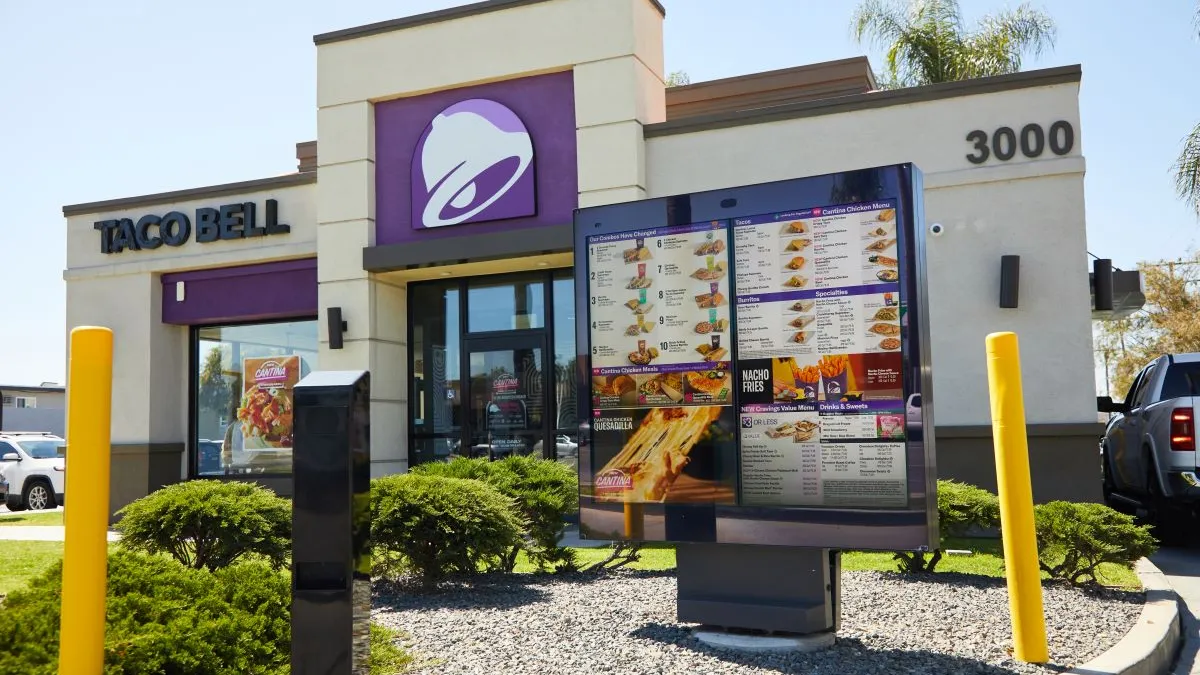
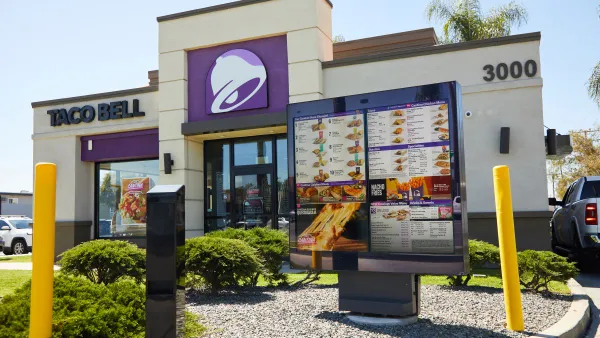
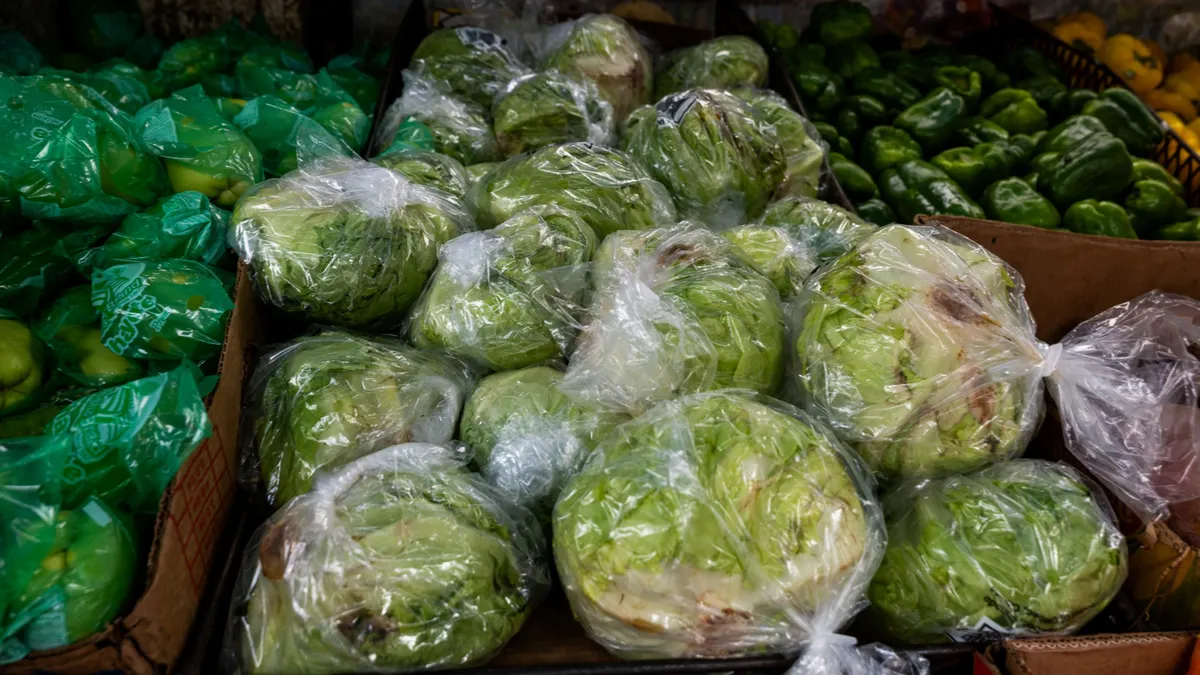
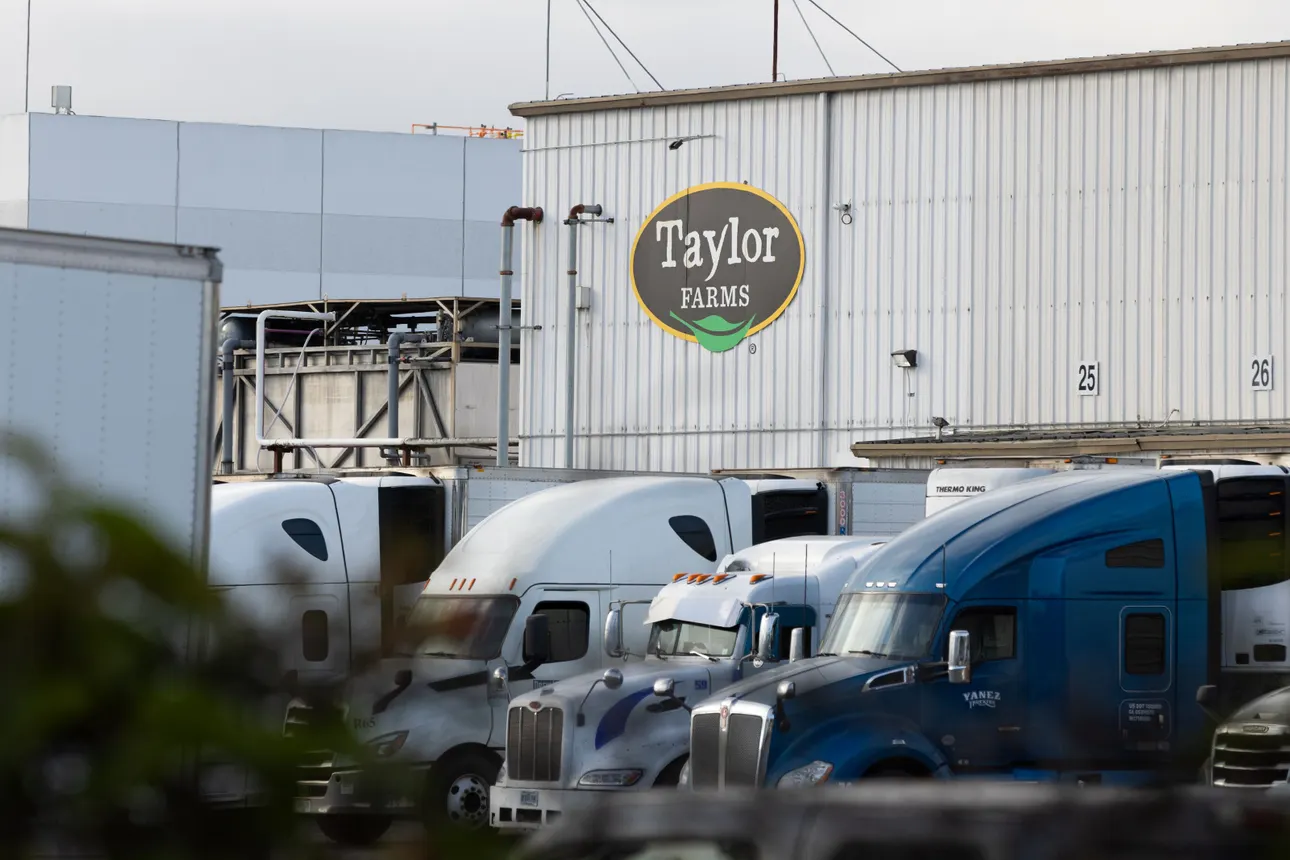
All of those illnesses trace back, in some way, to food or water. Thousands of sickened people reported eating at Taco Bell restaurants, and many cases have been linked back to iceberg lettuce distributed by Taylor Farms.
“Essentially, human feces has gotten into our food supply.”

Bill Marler
Food safety attorney at Marler Clark
But the CDC and the Food and Drug Administration are investigating at least four other epidemiologically distinct clusters of infections, too. The scale and duration of the epidemic make this foodborne illness outbreak distinct from many of its predecessors, according to food safety and supply chain experts.
It’s also one of the worst food safety issues to hit the restaurant sector in years, and the problems that predicated the Cyclospora surge aren’t going away. Consolidation in the food supply chain means single incidents of contamination can have national consequences, while Cyclospora itself is harder to wrangle than other foodborne pathogens. The question is — can restaurants protect themselves?
Cyclosporiasis is hard to trace, harder to kill
Cyclospora presents unique challenges from a food sanitation and infection control standpoint because the disease is caused by a parasite, rather than a bacterium. While bacteria — like Salmonella and E. coli — are single-celled organisms with simple internal cellular structures, Cyclospora is a single-celled protozoa. This means it has a more complex cellular structure that is harder to kill.
“Some of the procedures that we have in place against the more common bacteria that could be contaminants of produce aren't going to work as well for this parasite,” said Amira Roess, professor of global health and epidemiology at George Mason University.
Cyclospora is fairly resistant to some of the sanitizers used against bacteria and viruses, Roess said.
The breadth of this summer’s outbreak — and where the parasite comes from — is a red flag pointing to serious and systemic contamination issues, said Bill Marler, a food safety attorney at Marler Clark.
“It's a human fecal parasite. Humans are the only animals that carry it,” Marler said. “Essentially, human feces has gotten into our food supply.”
So, how exactly did poop get into iceberg lettuce? Roess said one common point of contamination is water. Produce is usually grown in irrigated or watered fields, and is often washed, sometimes multiple times, during processing, transportation, bagging and preparation before it reaches a consumer’s plate.
“If you're a burger concept, people can get their burgers without lettuce on it, and they're fine, but if you're a salad concept, you just take it on the chin for a while.”
Bo Davis
CEO and co-founder of MarginEdge
The concentration of the U.S. food supply in the hands of a few major firms — like Taylor Farms, Chiquita and Dole — makes individual instances of contamination a larger issue, Roess said.
“If one of the products is contaminated, and it happens to be the product that a third of the country accesses, you have the reason for your national outbreak,” Roess said. The widespread nature of these outbreaks can make it more difficult to trace it back to a single source, as linking outbreaks in scores of localities can tax public health authorities.
Compared to bacteria and viruses, which reproduce in minutes or hours, parasites like Cyclospora tend to have longer lifespans. This can make it more difficult to determine if outbreaks are epidemiologically connected through genetic testing. Because of this, Marler said, health investigators have to rely on shoeleather techniques to connect cases together — an approach that can take longer than some laboratory tests used on bacteria and viruses.
“A lot of the work that's being done is epidemiologists on the ground calling and saying, ‘Hey, what'd you eat? Where'd you go? Do you have a receipt?’” Marler said. “You can imagine what the health department in Michigan is dealing with — 10,000 sick people that they know of and then all the people who are calling who also have gastro problems that may or may not be related.”
Roess said the U.S. lacks sufficient disease surveillance, and cuts to support positions under the Trump Administration — including specific cuts to the CDC’s cyclospora surveillance lab — have made it difficult for the FDA and CDC to identify and stop outbreaks early on.
Restaurants are on the hook for upstream contamination
Restaurants facing potential safety issues in their food supply chains have limited ability to adapt, said Bo Davis, co-founder and CEO of restaurant software company MarginEdge. Some items can be substituted easily, but produce and core ingredients, like rice or lettuce, are difficult to replace. Davis said this difficulty depends in part on the restaurant concept.
“If you're a burger concept, people can get their burgers without lettuce on it, and they're fine,” Davis said. “But if you're a salad concept, you just take it on the chin for a while.”
Marler said that even if the concentration of the supply chain under a small number of firms is responsible for introducing a pathogen to a large number of consumers, restaurants still bear a legal responsibility for the food they serve to diners. This argument underpins several of the lawsuits against Taco Bell and Taylor Farms regarding the outbreak, including some in which Marler represents the plaintiffs.
“Once it's contaminated, there's not a dang thing that these restaurants can do to protect themselves or protect their consumers,” Marler said. “You can't wash these fecal pathogens off the lettuce, and you don't cook lettuce, so there's not a lot you can do.”
At the restaurant level, Davis said, riding out a foodborne illness epidemic requires a degree of operational dexterity. Out of caution, operators that have no reason to suspect they’re connected to an outbreak can highlight menu items made with ingredients that aren’t linked to an outbreak.
Both Cava and Sweetgreen noted in earnings commentary and press statements this summer that they don’t serve iceberg lettuce, for example. Moves like that can help minimize a category-wide sales hit.
Operators should also prepare staff to communicate clearly and confidently with consumers about ingredients, cleanliness and sourcing practices, Davis said.
But if the worst should happen and a SKU is tied to an outbreak, a restaurant’s response depends on the severity of the problem, according to Davis.
“If you know that what you bought is in a recall, then you can obviously throw it away. You can clean around it. You can make sure that you don't have any cross contamination, and then you can restock from a new supplier,” Davis said.
It can be difficult to separate the signal from the noise of customer complaints, especially for national or high-volume chains, and this can delay throwing out potentially impacted items, Davis said.
But if a restaurant is linked to an outbreak, Davis said, an operator ought to “call your insurance company.”
Beyond that, Davis said, operators should be transparent with consumers, and try to communicate with potentially exposed consumers, even though that can be difficult.
“Nobody wants their brand diminished. I think in not [informing consumers] there's probably legal liability, frankly, but there should be moral liability to not letting people know,” Davis said.
Managing the supply chain against future problems
Restaurant chains and major food distributors can be more circumspect in their purchasing to avoid contamination, Marler said, and can put pressure on suppliers to commit to higher safety standards.
“It doesn't take a rocket scientist to look back just even over the last couple of years and see that Taylor Farms has had some issues,” Marler said. “They have a responsibility to go to Taylor Farms and go: ‘Okay, what are you doing to make sure we don't have a problem? What kind of water testing are you doing? Where are you growing the product? What are your food safety plans?’”
Conversations with suppliers can be of limited utility in preventing or mitigating outbreaks, however, Davis said.
“I'm not sure how much screening you can do of your supplier, but I think what everyone believes is super important is being really, really clear on what your supply chain is,” Davis.
Given restaurants’ limited ability to avoid food safety issues that begin further up the supply chain, it’s important for operators to have good supply chain traceability, Davis said.
There are recent examples of supply chain traceability making a quick difference for brands. This summer, QSRs serving jalapeños faced a double dose of recall-related issues, after several hundred consumers fell ill in a Salmonella outbreak tied to jalapeños distributed by Coast Citrus Distributors. Both Chipotle and Qdoba were tied to that outbreak.
But Chipotle’s RFID traceability system helped it identify a potentially contaminated shipment of peppers during this summer’s Salmonella outbreak, and helped the chain collaborate quickly with local health authorities.
“Once it's contaminated, there's not a dang thing that these restaurants can do to protect themselves or protect their consumers.”
Bill Marler
Food safety attorney at Marler Clark
Preventing Cyclospora contamination specifically often comes down to preventing water contamination, Roess said.
“The first thing is [that] you want to avoid using contaminated water in the production cycle, and we generally know how to do that,” Roess said. But understanding water cleanliness as a technical matter is not the same as having a robust system for ensuring water remains free of harmful contaminants.
Even so, recent changes in food production and regulations make it more challenging today to identify and stop epidemics early — even though food safety experts and public health systems are capable of intervening. The consolidation of food production and distribution, and underfunding of local health departments and cuts at the FDA and CDC, undermines the country’s epidemiological response to issues like the Cyclospora outbreak, Roess said.
This new state of things could leave restaurants more vulnerable to major foodborne illness outbreaks in the future.
“We know the techniques. We have the tools. We know the best processes. But you can't do them if you're limited in terms of your resources,” Roess said.