Dive Brief:
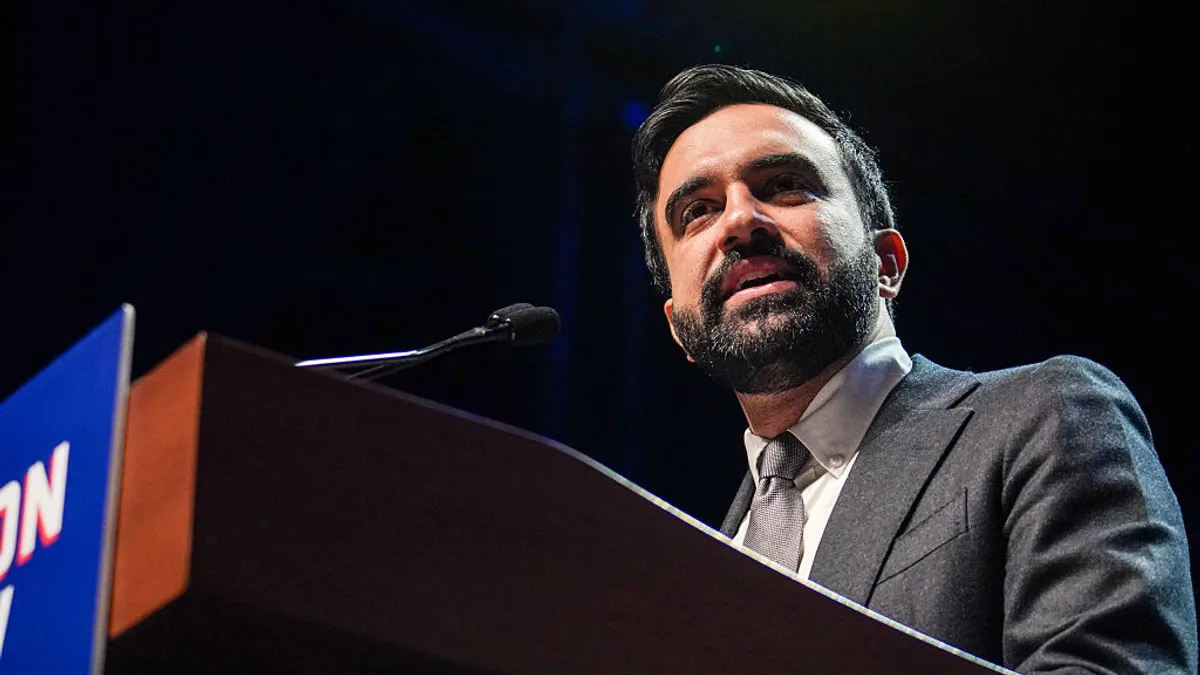
- New York City Mayor Zohran Mamdani signed a bill earlier this week that lifts seasonal restrictions on roadway dining structures.
- New York City voters will also have an opportunity to vote on a ballot proposal this fall that would “cut the eight-month application process [for outdoor dining structures] down to two months and save small businesses up to $1,800,” by reducing application costs, Mamdani said.
- Prior to the bill, outdoor dining structures in roadways were prohibited between Nov. 30 and March 31, after the partial rollback of COVID-19-era changes under previous Mayor Eric Adams.
Dive Insight:
These changes would align with some of the outdoor dining reform priorities espoused by the New York City Hospitality Alliance, which wants the city to “allow winter enclosures, year-round roadway cafes, restore sidewalk café space, reduce fees, and simplify the approval process, including removing the requirement for a revocable consent, and additional reforms,” according to its website.
The NYCHA said in a LinkedIn post that the recent changes “make the program more practical for restaurants and bars,” and thanked the Mayor and city council for their passage.
Mamdani said the bill would spare restaurants the cost of seasonal assembly and disassembly, which could potentially run into the tens of thousands of dollars
Mamdani also noted the new regulations “allow the use of weatherproofing and weather-winterizing materials needed to operate outdoor dining through the slush and chill of winter.” This could help drive on-premise traffic during the winter.
The move may reflect the socialist mayor’s efforts to conciliate with different small business interest groups that might otherwise oppose some of his administration’s efforts.
If successful, the changes to outdoor dining in New York could prove a template for other left-wing mayors seeking to improve their relations with small business sectors and implement consumer-facing regulatory changes.
The Democratic Socialists of America, the organization of which Mamdani is a member and a significant political force in some major cities, has often faced off against the restaurant industry. In Washington, D.C., for example, the local DSA chapter played a significant role in canvassing for Initiative 82, a successful ballot initiative to end the tip credit in D.C. that was later gutted by the city council.
Janeese Lewis George, a DSA-backed progressive who won the District’s 2026 democratic primary, has said she wants to cut some of the regulations and fees associated with D.C. streateries and bring back outdoor dining in the city.