CHICAGO – New forces are reshaping what diners want out of restaurants, forcing operators to adjust their menus and operations.
In 2026, consumers want healthier food, a clear value proposition and novelty, according to a Technomic presentation at the National Restaurant Association Show.
Combined, these factors have helped push restaurants to expand both core and time-limited menus, Donna Hood Crecca, senior principal at Technomic, said during the presentation.
The number of items on core menus at full-service chains has risen 13% since 2021 and 6% at quick-service concepts in the same time span, Hood Crecca said. But the expansion of limited-time offers is even more dramatic.
“The total number of limited-time offers actually increased 134% over the past five years. We've never seen anything like that in all the time we've been tracking this,” Hood Crecca said. In 2026, Technomic forecasts LTOs will grow by another 3%, on top of that already elevated base.
By analyzing consumer preferences across surveys and tracking a dataset of 35,000 menus — which account for 75% of restaurant sales — Technomic has identified several major pressures on menu design.
Health and wellness dominate
One in eight American adults are on or have recently taken GLP-1 medications for weight loss, diabetes and other related conditions, said Lizzy Freier, senior director of menu insights and research at Technomic. At that scale, the medications are bound to have an impact on consumer behavior.
GLP-1 users tend to get full faster, prefer smaller portions and opt for low-calorie dishes with more protein and fiber, according to Freier.
In particular, Freier said, these consumers tend to order smaller or fewer items, less alcohol, less carbs, less sugar and less fried foods.
“These are your high-margin items, so this is going to have a huge impact and be a huge challenge for operators,” Freier said.
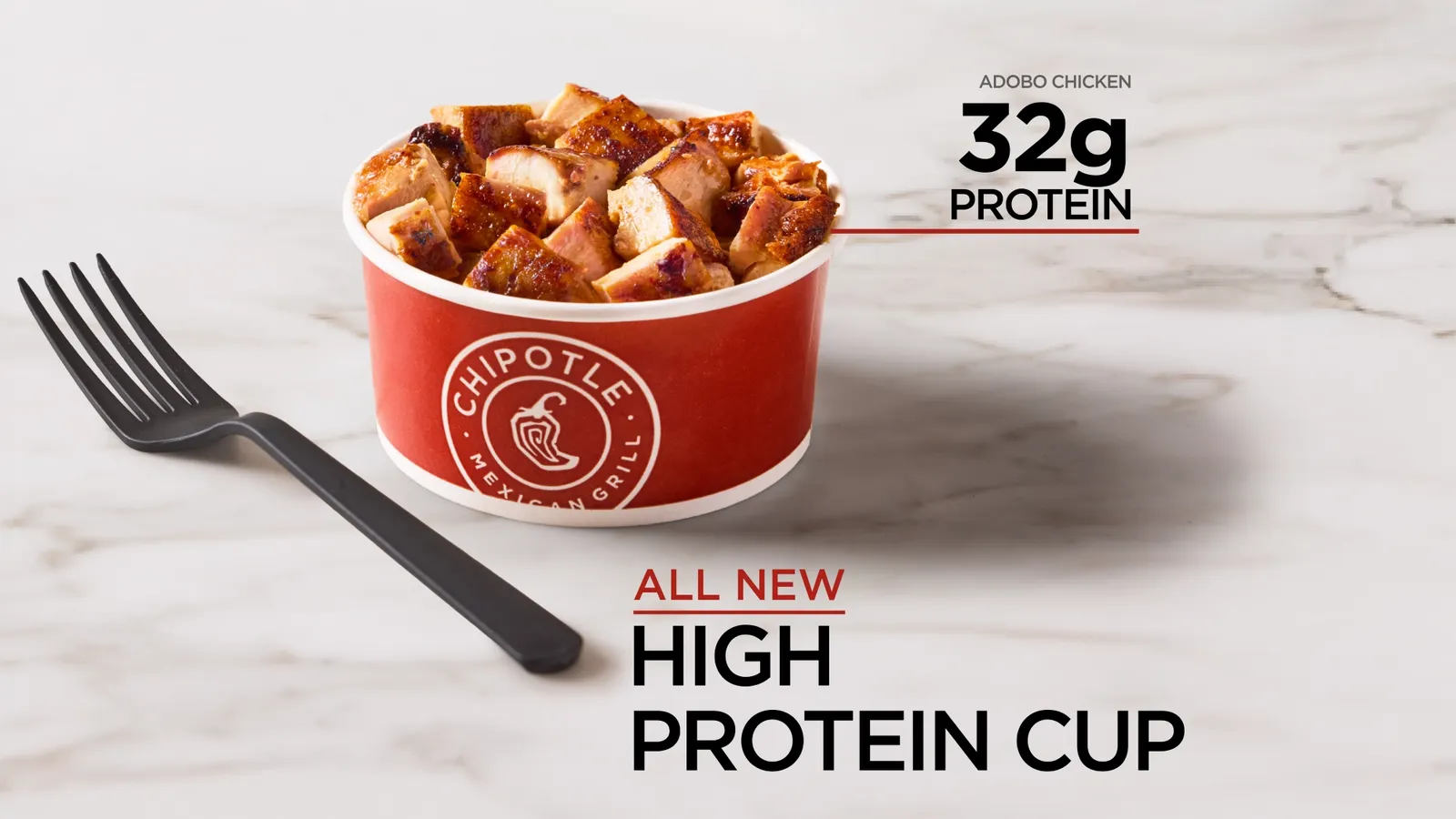
Chains have responded by developing snack-sized, protein-heavy items, like Chipotle’s protein snack cups.
Governmental pressure could also push restaurants toward more protein-forward marketing or menu design, Hood Crecca said, noting that the USDA’s redesigned food pyramid prioritizes proteins and fats, like meat and dairy, over grains.
Some chains have adapted their menus to the Trump administration’s “Make America Health Again” slogans, with Steak N’ Shake appointing a chief MAHA officer.
But most chains are taking a wait-and-see approach to adapting to the administration’s stated priorities, Hood Crecca said. Nearly two-thirds of operators surveyed by Technomic felt there was little to no consumer demand for a MAHA-style menu overhaul.
Value remains key
But other actions by the Trump administration will likely influence menu design in other ways. The administration’s war against Iran has led to an historic energy price shock, resulting in major spikes in gas and diesel prices. The National Restaurant Association’s Chief Economist Chad Moutray estimated the war could lead to consumers spending $125 billion more on fuel than they would have had prices remained steady.
This is likely to continue the emphasis on value that has helped reshape LTOs in recent years. In 2023, 21% of LTOs were focused on value, while 79% emphasized innovation, Hood Crecca said. Now, 32% of LTOs are value-oriented, an increase of more than half the 2023 proportion.
“We have a very, very cost-conscious consumer right now who's making their decision on where they're going to go and what they're going to order based on the available deals,” Hood Crecca said.
Major chains are continuing their emphasis on value from 2024 and 2025, with KFC expanding its $10 bucket deal across weekdays. At the same time, smaller portions meant to appeal to GLP-1 consumers can serve dual-purpose as a value play. For example, Popeyes added snack-sized chicken wraps to its core menu earlier this month.
Novelty remains a driver
While some consumers might be prioritizing price points, others are looking for new experiences, Freier said. Technomic has found growing consumer demand for new, unique flavors.
“Over a quarter of consumers actively seek out new or unique flavors to try on a regular basis,” Freier said. “That increases to about a third of our younger consumers, ages 25 to 34.”
And more than half of new consumers want to try new flavors, at least on occasion, Freier said, giving operators room to experiment with new flavors.
“Two-fifths of consumers overall are more likely to try new and unique flavors now than they were one year ago, or even three years ago,” Freier said. More than one-third of consumers have come to expect restaurants will continue to introduce new flavors.
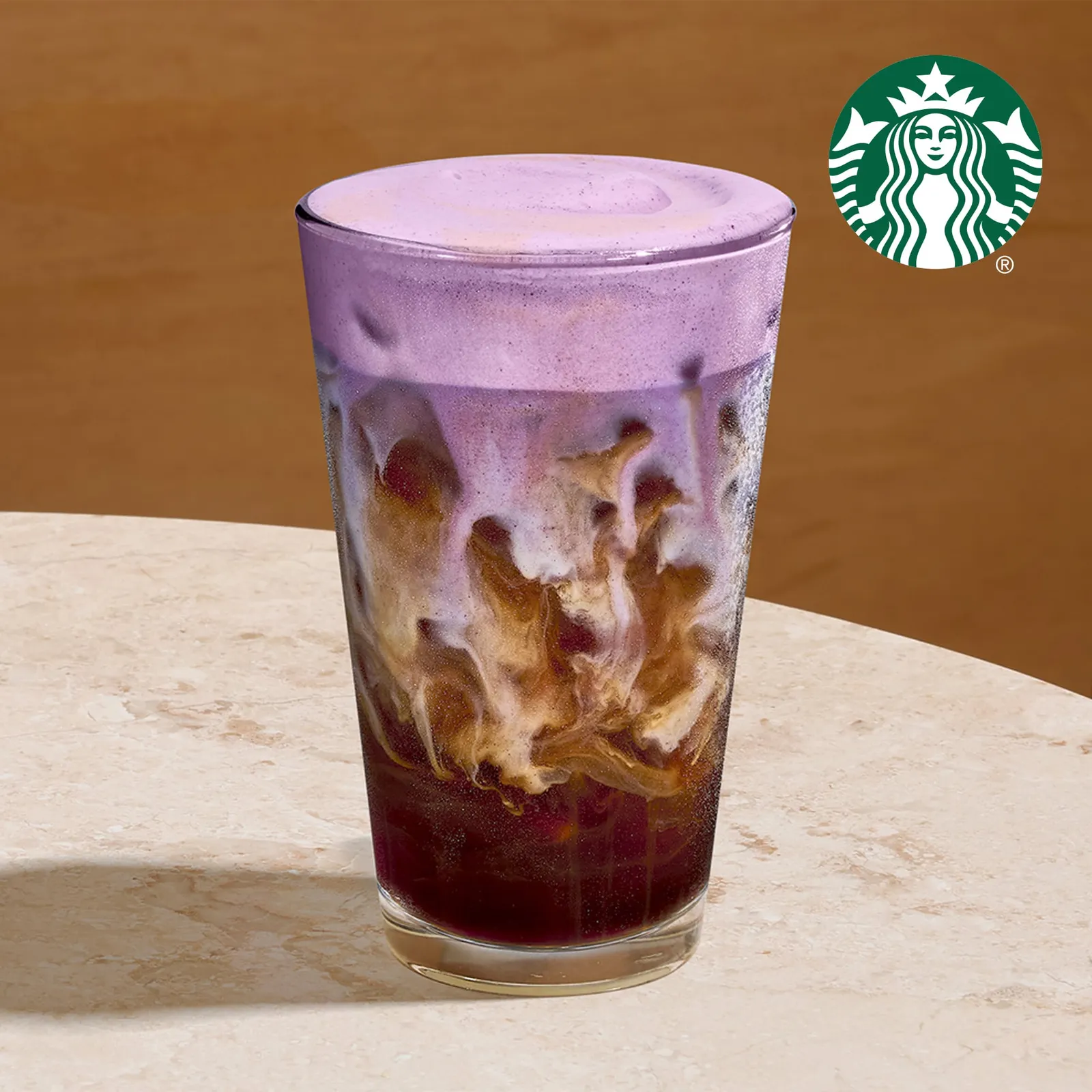
For QSRs, this might look like the adoption of dirty sodas — once a regional indulgence — across national brands like McDonald’s. Flavor novelty and aesthetic novelty can go hand in hand, Freier said, citing Starbucks’ new ube cold foam drinks. Those beverages combine cold foam, an indulgent component of many cold coffees, with ube, a flavoring based on purple Filipino yams, producing novel, visually distinct drinks.