Dive Brief:
- McDonald’s will launch a tiered version of its loyalty system in the near future, Morgan Flatley, global chief marketing officer and head of new business ventures, said during the chain’s investor day Wednesday.
- Each tier will be designed to appeal to a specific tranche of consumers, ranging from frequent fans to occasional guests and disengaged members.
- In addition to frequency-promoting tiers, McDonald’s will connect its rewards system with other major brands, offering consumers perks like Uber ride credits and Disney+ subscriptions, in order to improve the system’s appeal, Flatley said.
Dive Insight:
McDonald’s has nearly 220 million active 90-day loyalty members. That scale means that there are broad layers of loyalty membership with significantly different priorities, Flatley said.
At the upper end of its engagement range are frequent consumers — who patron the brand at least once a month.
“They tend to be especially motivated by deals, events, and what's new,” Flatley said. Under a tiered system, McDonald’s would recognize and reward this degree of brand attachment using perks that go beyond McDonald’s menu item discounts.
Rewards for high-frequency guests could include “earning points faster, early access to limited menu items and merch, or a coveted invite to a McDonald's launch event,” Flatley said.
In the middle range, are consumers who visit at least once a quarter. McDonald’s plans to leverage its rewards system to drive specific visits from these diners using “highly personalized experiences based on the foods, rituals and moments that matter most to them,” Flatley said.
For example, a breakfast-heavy diner could receive tailored offers for breakfast goods, while a family might receive discounts and bonuses specifically for group or large orders, or receive the ability to share points between family members. Additionally, McDonald’s will use gamification to encourage these consumers to explore more of its menu.
But the biggest opportunity is likely the chain’s vast legions of consumers who have signed up for its loyalty system at some point, but have not visited in the recent past. Flatley said there were up to 150 million of these consumers.
“Our goal is to give them a reason to reconsider McDonald's,” Flatley said. “This group is less likely to respond to brand merchandise, exclusives or experiences. Their proposition needs to be immediate and practical.”
Things like birthday bonuses or surprise incentives for single visits can perform well with the disengaged user.
Another way to re-engage these users is through partner offers from other brands like Uber or Disney. In early market tests where such promotions have run, Flatley said, the chain has seen a meaningful uptick in participation by lapsed guests.
“Using Germany as an example, up to 20% of the customers who participate are new or infrequent loyalty customers,” Flatley said.
These shifts are similar to changes many other leading QSRs have made in recent years, as basic points-based loyalty schemes have become ubiquitous in limited-service restaurants. Now, major chains are looking for ways to broaden their appeal, differentiate their offerings and guard consumers against the temptation to defect to other brands.
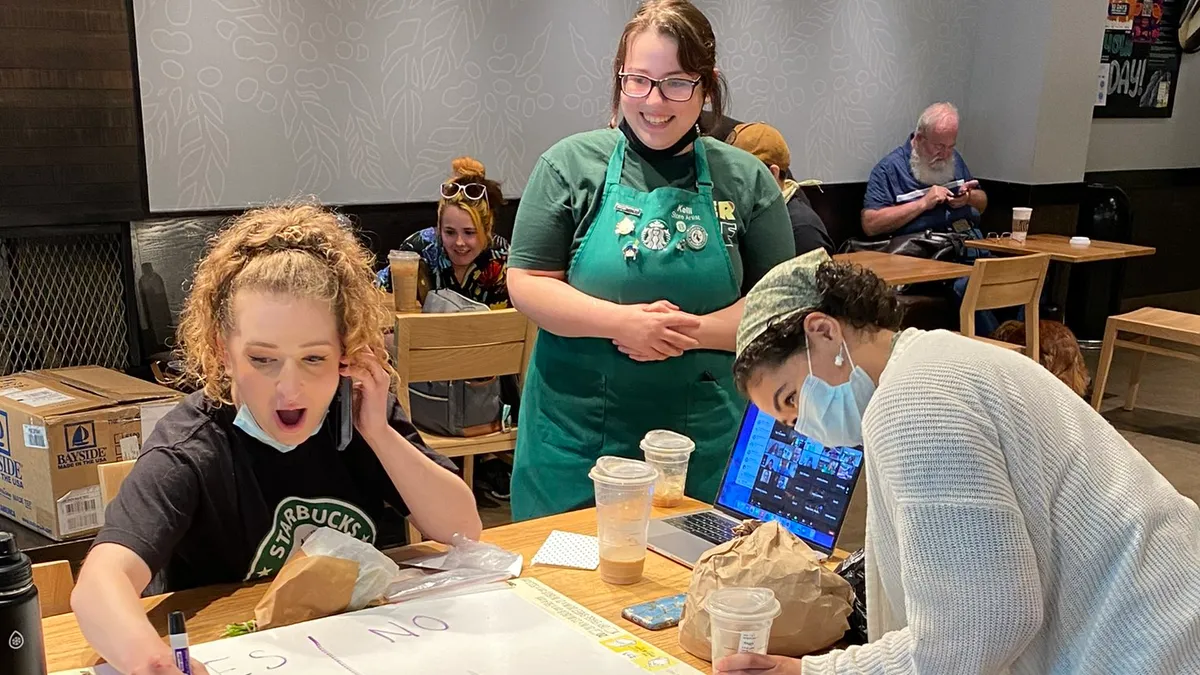
Starbucks, for instance, has multiple tiers with escalating rates of points accumulation, and each tier has more rewards than the one below. Pizza Hut added merch drops and digital games to its loyalty system earlier this year. Olive Garden revived the Pasta Pass program, which granted a small number of consumers an unlimited amount of one of its core menu items for $100 over 13 weeks.