While several major brands have closed large numbers of stores in 2026, some small and medium-sized restaurant chains spent H1 speeding up their franchised growth by signing new deals, adding new partners and targeting new markets or real estate types.
Many of these deals were in subsectors where major restaurant chains have also seen growth — chicken, sandwiches and snacks/desserts. Take a look at Restaurant Dive’s analysis of how a handful of smaller players, international brands and challenger chains have worked to accelerate development.
Jollibee
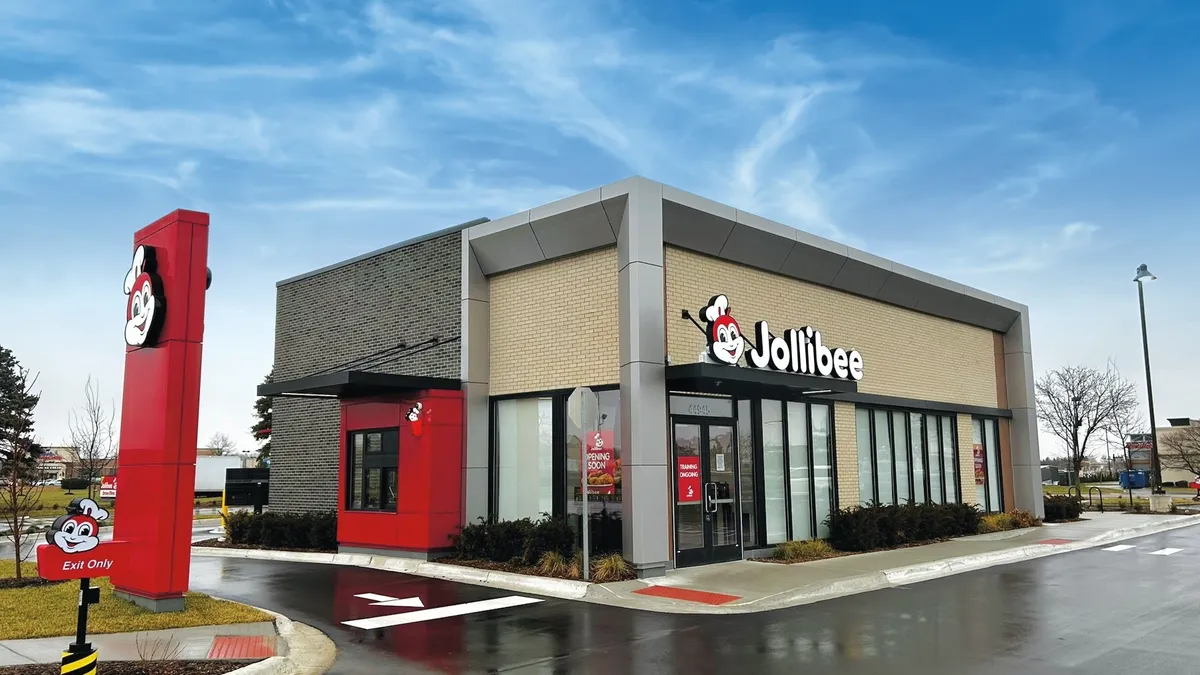
The Filipino chicken chain started the year off with an ambitious plan for an initial public offering in U.S. markets for its business outside the Philippines. Franchised growth is key to the future of Jollibee’s international expansion. But its U.S. franchising program started relatively slowly after its 2025 launch, with just three franchised units at the start of this year and eight projected openings.
But in the first half of 2026, the brand signed three multi-unit franchise partners in the U.S., bringing its total franchise deals to seven, according to a press release. Those agreements give brand confidence that it can grow from 81 units in America at the start of this year to 330 by 2030.
“We have a high degree of confidence in franchising as a key way to grow, and the quality of the franchise candidates we are engaging with is impressive,” Peter Wright, Jollibee’s vice president of franchise development for North America, said in a statement. “We are also really excited about upcoming new store openings, both corporate and franchise, this year.”
The chain’s high unit volume helps explain potential interest in development from franchisees. Jollibee’s in-line units had an average unit volume of $5.1 million, while its freestanding stores averaged $4.9 million in sales in 2025, according to its 2026 FDD. That unit volume is quite strong compared to performance by major QSR national brands. A $5 million AUV is comparable to casual dining segment leaders like Chili’s and Golden Corral, which had the 7th and 8th highest AUVs out of 50 major brands included in Circana’s 2026 Definitive Restaurant Ranking.
Layne’s Chicken Fingers
Layne’s drive to become a major national chicken chain sped up in H1 2026. In Q2, the chain passed the 50-store mark and signed a 12-unit deal covering parts of California and setting the stage for the Texas-based chain’s debut in the most populous state, per a July press release.
As with Jollibee, Layne’s is riding a consumer wave in its expansion: chicken tender chains like Zaxbys and Raising Cane’s are growing significantly, while QSR brands are adding tenders to their menus. The embattled legacy brands at the center of the fried chicken segment — KFC and Popeyes — are both centering tenders and sauces in their turnaround and menu innovation efforts.
Layne’s said its unit development is split between new mult-unit developers and existing franchisees who “continue to deepen their commitments, too, claiming prime territories in additional markets and across state lines,” per the press release.
The brand highlighted Taylor Thomas, a multi-unit franchisee of the chain and of Whataburger, as an example of this dynamic. Thomas, the chicken finger franchisor said, “executed three restaurant openings in 60 days, broke the record (previously set by him) for opening sales and signed a new agreement to develop 30 Layne's locations across Oklahoma.”
Capriotti’s Sandwich Shop
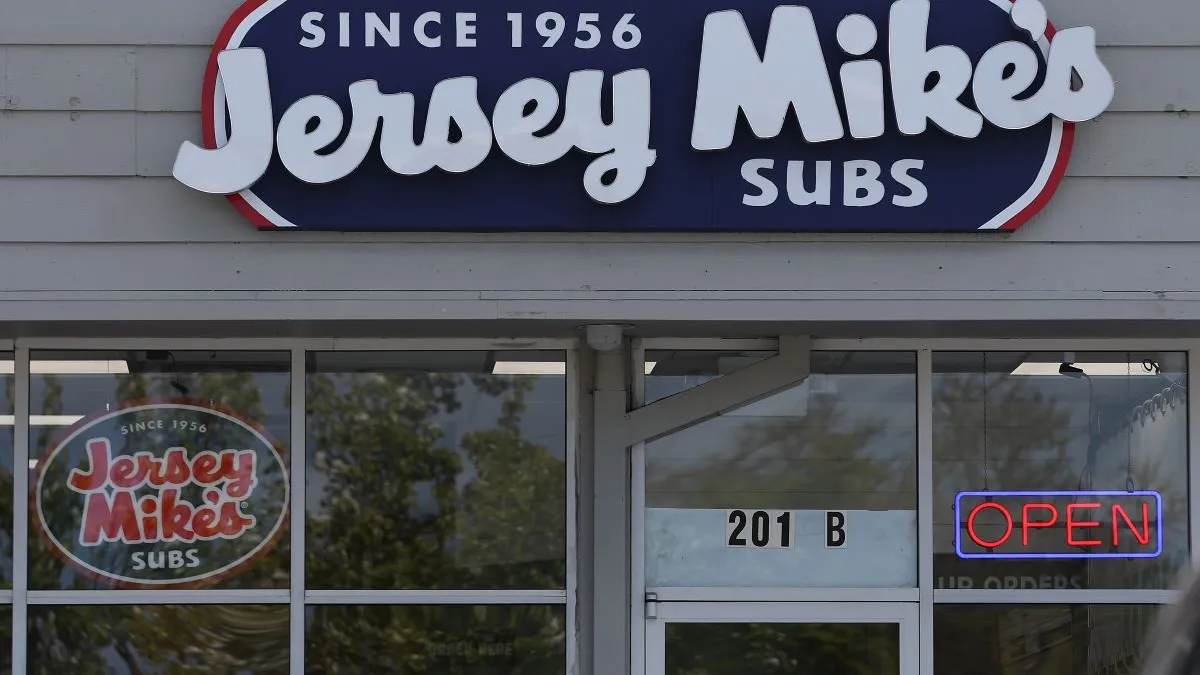
While Jersey Mike’s growth is preparing it for an IPO valuing the company at $8 billion, other sandwich companies are also growing. Capriotti’s, a roughly 150-unit sandwich chain, is one such challenger brand.
The brand opened 12 stores in H1 and signed 30 new development agreements, speeding up the pace of its expansion. The development push is introducing the chain to a wide range of geographical markets, from Charleston, South Carolina, to southern Utah, according to a press release. Capriotti’s hopes its franchising program can help it hit 750 stores by 2032.
The recent deals coincide with the brand’s 50th anniversary, which is “all about creating momentum for the future while we celebrate our history,” CEO Ashely Morris said in a statement.
To promote its growth, Capriotti’s is offering up to $50,000 in discounts on franchising fees with a goal of signing 50 new franchising partners during its 50th year.
In addition to its new market entries, nontraditional locations, like convenience stores, are a part of the chain's expansion strategy. However, it prioritizes high-traffic, high-visibility locations and being selective in its partnerships.
Rita’s Italian Ice & Frozen Custard
Rita’s more than doubled the number of franchise agreements it signed in H1 relative to the prior year, with more than 30 shop agreements, according to a press release. During that time period, inquiries regarding franchising also doubled.
The roughly 600-unit dessert chain attributed the increase to “entrepreneurs seeking an established, scalable franchise with multiple paths.”
Lawrence Brown, the chain’s chief development officer, said its cost structure is attracting operator interest.
“Combined with smaller kitchen footprints, low [cost of goods sold] (<18% on average) no fryer requirements and staffing efficiencies, the model's real estate flexibility allows franchisees to enter and adapt to local markets,” Brown said in the press release.
The chain’s concept can fit into a range of second-generation real estate and lot sizes, which has helped constrain development costs, per the press release.
While the chain is seeing continued growth in its core Mid-Atlantic and Northeastern markets, it is also speeding up development in the Midwest and Texas.
In the first half of 2026, an existing franchisee opened multiple shops in Ohio and committed to two units. In the same time frame, a new franchisee opened his first location in the Dallas-Fort Worth metroplex and announced plans to eventually develop 10 stores.