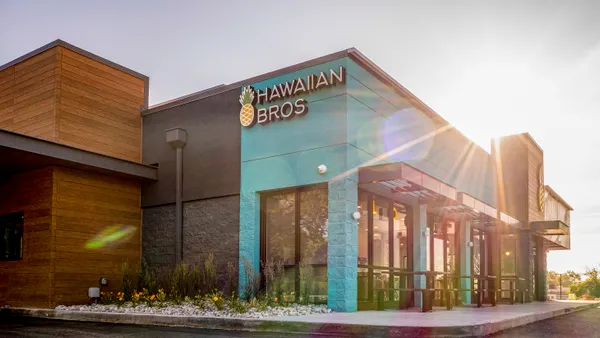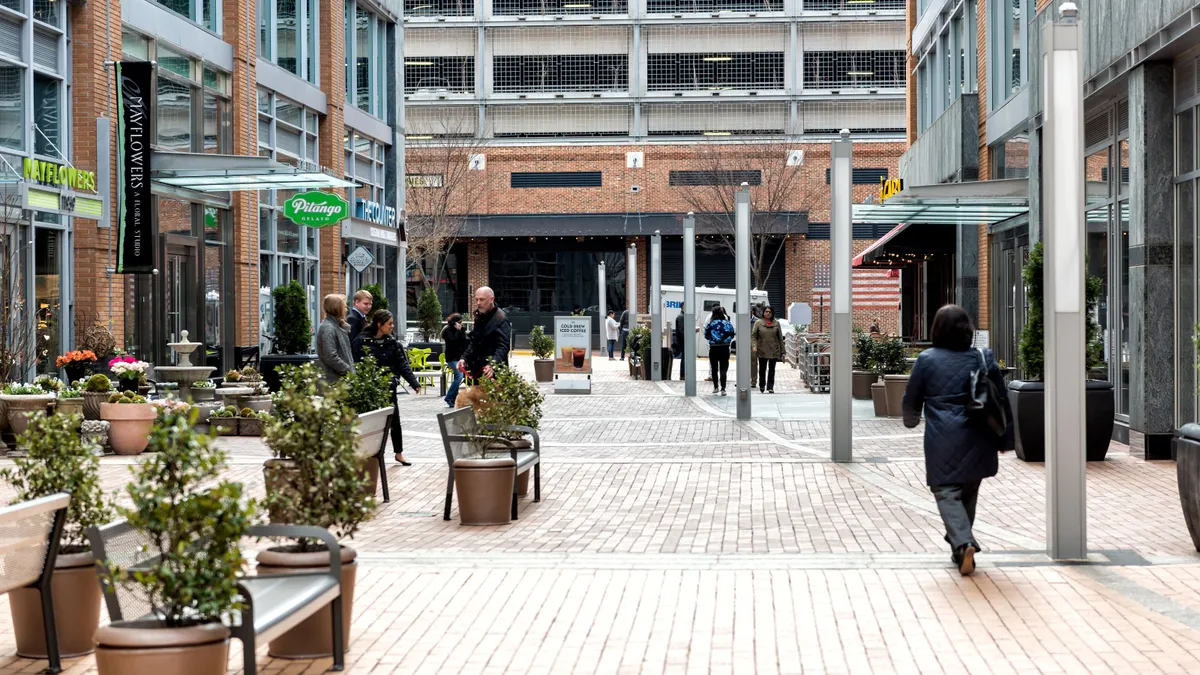
A slew of mixed-use developments with towering buildings filled with commercial office space and residential units above retail have emerged in suburban markets throughout the U.S.
For restaurant owners looking to enter into these markets, mixed-use developments provide new opportunities beyond malls, strip centers and stand-alone buildings.
Restaurants have fared well in such developments in King of Prussia, Pennsylvania; Newport Beach, California; Scottsdale, Arizona; Jacksonville and Tampa, Florida; Plano, Texas; Reston, Virginia; and Alpharetta, Georgia, said Matthew Mandel, senior vice president at CBRE, a commercial real estate investment firm.
But restaurants need to be careful when evaluating whether to sign a lease at a particular site as they can pose a host of operational challenges, such as parking, delivery and trash removal, Mandel said.
Different developments and spaces within the site also work better for different restaurant types, and it is important for restaurants to get a good grasp on the performance of the other tenants within the development when deciding whether to move in, Mandel said.
Still, the right suburban mixed-use development can create a destination that people can go to for more than one purpose, said Keith Rogers, founder and principal of restaurant real estate consulting firm Restaurant Development Advisors.
Residents living there create daily traffic, people can complete a shopping trip before dinner, and office workers can go downstairs for happy hour, Rogers said. In suburban markets, that foot traffic creates an energy that is felt in urban downtowns — a place where people can be seen and want to go, he said.
“People attract people, so if there’s a bunch of people there walking around, there’s a bunch of people who want to go,” Rogers said.
The right restaurant type
The real estate at mixed-use developments can be competitive for restaurants depending on the market, said Rogers. In suburban areas, there needs to be enough people living in the area for restaurants to get the traffic needed to pay the rent, he said.
Ideally, the suburban market would be near an urban area and adjacent to office and retail, with access to public transportation, Rogers said. Being further away from urban centers and less population density can be more challenging for restaurants, he said.
The type of restaurant that works best in mixed-use developments depends on the development, Mandel said.
Full-service fine dining restaurants can work best as they are driven by reservations and don’t rely on impulse traffic that is driving by on a busy road, Mandel said.
Still, polished casual dining restaurants at the $35 to $65 per meal price point are often more prevalent at mixed-use developments that charge mid-market rent — enticing those living and working in the area to dine there more than once, Rogers said.
Quick-service restaurants also work great in the developments when the parking situation is right, Mandel said. But most of the time, parking is a major challenge and QSR or fast casual restaurant cannot succeed with bad parking, he said.
Additional operating costs
The rent at mixed-use developments are typically the same as other real estate locations within the same market, Rogers said. However, other operating expenses associated with the developments — including taxes and insurance — are often higher than they would be for a restaurant in a freestanding location, he said.
Maintenance costs can reach $30 to $50 per square foot — an amount that’s significantly higher than what operators would pay at a strip center and similar to what they would pay at a mall, Mandel said.
Still, Rogers said, the expenses are “usually worth it because you are going to be doing larger sales.”
Large mixed-use projects, unlike strip centers, often help restaurants with the construction and build-out of their spaces — providing them with a large cash allowance that the tenants pay for over the term of the lease with interest baked in, Mandel said.
Building design challenges
The design of the building and the mixed-use development play a major factor in the overall success of a restaurant.
Beyond challenging parking environments and valet drop-offs that can require diners to wait more than 10 minutes for their cars, a building’s design can create headaches for restaurants trying to store and take out their trash away from the residents living nearby, Rogers said.
Likewise, loading dock layouts that require delivery drivers to walk down long hallways to get to the tenant’s space can cost retailers additional money, Mandel said.
Developers often leave sound mitigation measures out of their building designs, requiring restaurants to install expensive sound barriers or soundproofing measures so restaurants don’t disrupt the residents living above them, Rogers said.
And mixed-use spaces don’t always include all the ventilation needed to protect residential neighbors from the grease and smoke that come from the commercial kitchens — requiring restaurants to install large, expensive precipitators in its limited space, Rogers said.
Weighing whether the space is right
Restaurants can take advantage of the people living and working at the development by turning them into repeat customers, Rogers said. They can achieve this outcome by offering better carryout services and creating a reservation system where locals can get seated faster or get some kind of better service so guests feel like they are being taken care of, he said.
The repeat business is important as the added foot traffic at such developments doesn’t necessarily translate to higher sales than other locations within the market, Mandel said.
In some cases, a restaurant located at a freestanding building in front of the development or across the street has better parking, visibility and offers a better guest experience, he said.
Still, restaurants at the developments often stay busy during breakfast, lunch and dinner due to the built-in customer base of residents, employees and retail shoppers, Mandel said.
And most mixed-use landlords require sales reporting from tenants, in turn, giving new potential tenants a good grasp on the performance of the existing users, Mandel said. That gives restaurant owners the confidence they need to make a new 10-plus year commitment, he said.
But when deciding whether to move into a mixed-use development, restaurant owners should consider whether the space allows them to do everything they need to run their restaurants — including the ventilation, trash removal, parking and valet, Rogers said.
“When you look at the location …, you have to make sure that you are not putting yourself at a disadvantage,” Rogers said. “You’re in this great development that’s supposed to help you, and sometimes they can hurt you.”