Starbucks is saying goodbye to its artificial intelligence inventory management system about nine months after its debut, Reuters reported Thursday. The tool, which used computer vision to track some parts of the chain’s inventory, was announced in September as a method to simplify inventory record-keeping and prevent stockouts.
Starbucks has “moved to a single, consistent process across all inventory counts. This approach supports accuracy and product availability in our coffeehouses,” according to a company statement shared with Restaurant Dive. “We will continue to invest in technology and refine our tools over time.”
Starbucks said it was being disciplined about determining where automation adds value to its business. The brand will continue to refine its approach to in-store inventory management and supply generally.
Reuters reported that Starbucks’ AI inventory tool occasionally miscounted or mislabeled items, but Starbucks did not comment on that report.
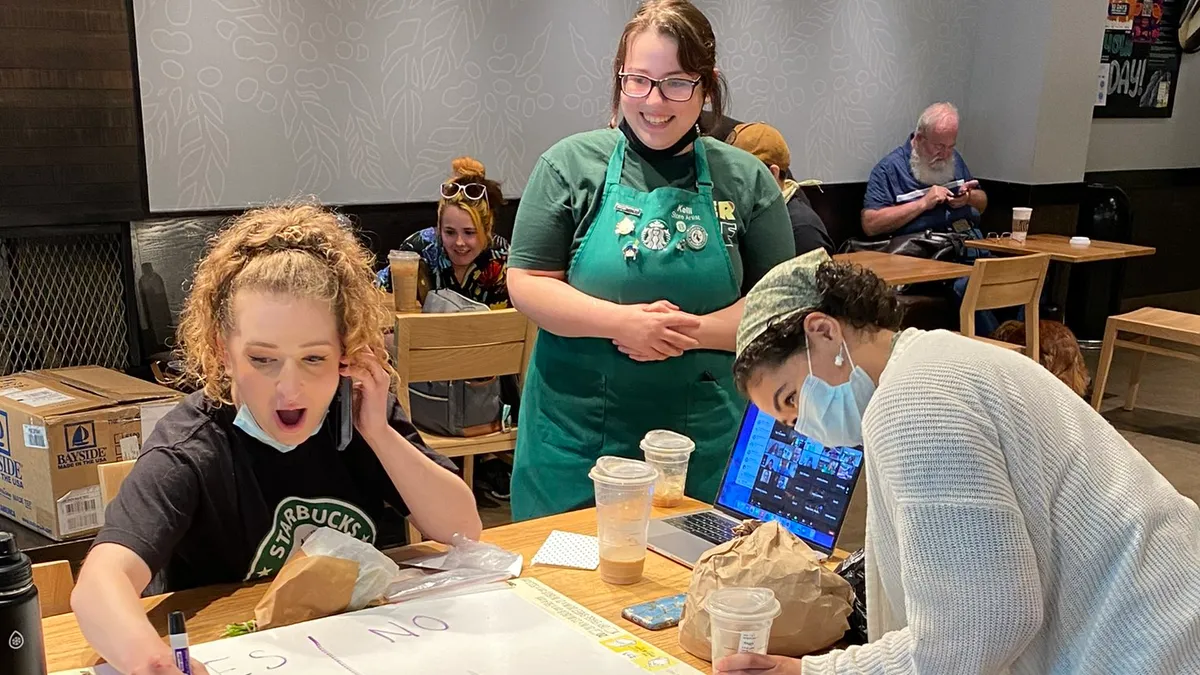
Starbucks did share images it said were internal employee comments on the changes to its inventory system.
“Very grateful our thoughts about AI count were heard,” one of the comments read.
Another employee wrote, “Thank you for trusting the partners over unreliable spatial recognition to handle these counts.”
At the chain’s investor day earlier this year, CEO Brian Niccol told analysts that Starbucks is looking to increase supply deliveries to its cafes.
“We're going to have daily replenishment by the end of calendar year 2026,” Niccol said. “If we're going to do the food program that we want to do, we gotta have that. Because if we're going to put items on our menu, we gotta be in-stock with those items.”
Niccol said the chain previously struggled with stockouts, which left some consumers feeling as if they were rolling the dice on the availability of key menu items.
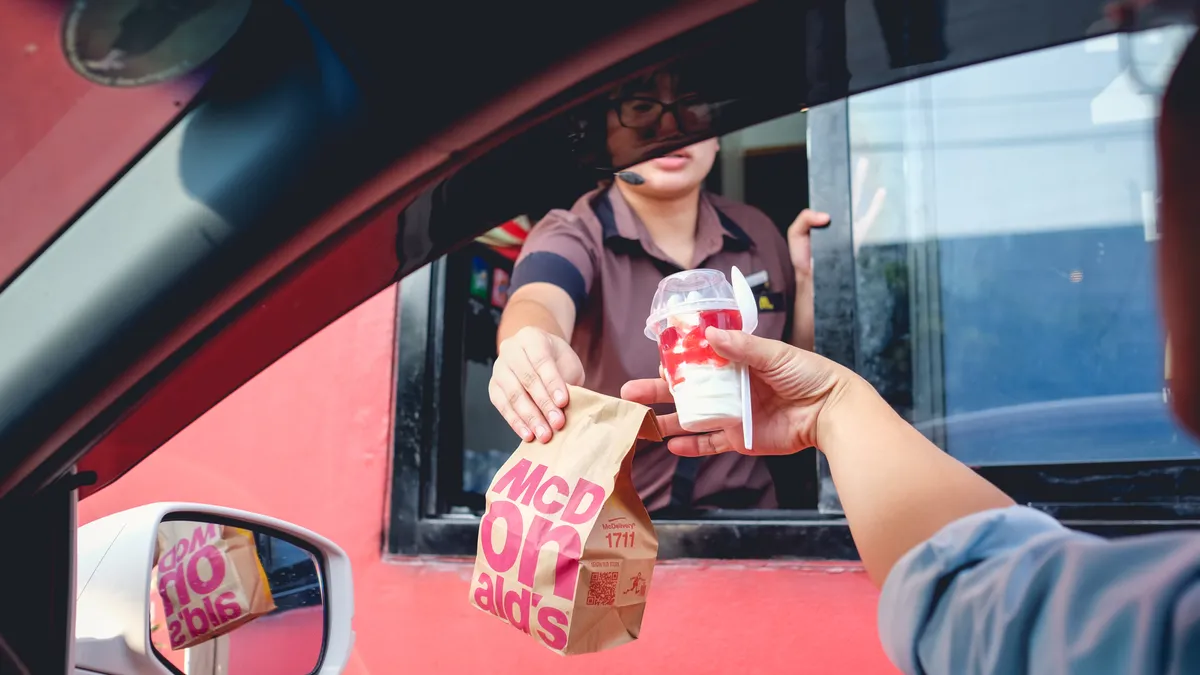
Other major QSRs have also backed off of promised automation initiatives. McDonald’s ended its drive-thru voice AI test with IBM in 2024, while Taco Bell slowed the deployment of similar technology last year. A major Pizza Hut franchisee recently claimed that the brand's AI ordering system resulted in $100 million in lost sales.
Still, many chains have continued to deploy new AI technology. Shake Shack recently announced Project Catalyst, a major tech overhaul that includes AI analytics, and Yum Brands is testing AI-arranged menu boards that dynamically rearrange items to maximize sales.