Dive Brief:
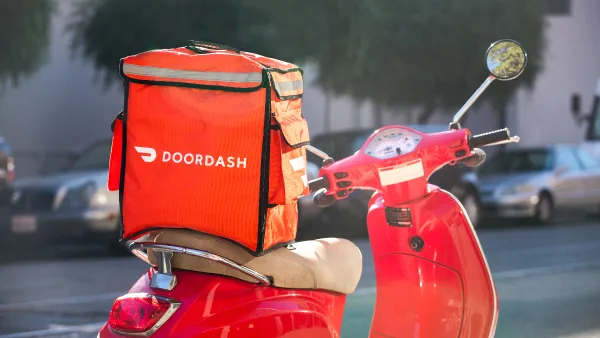
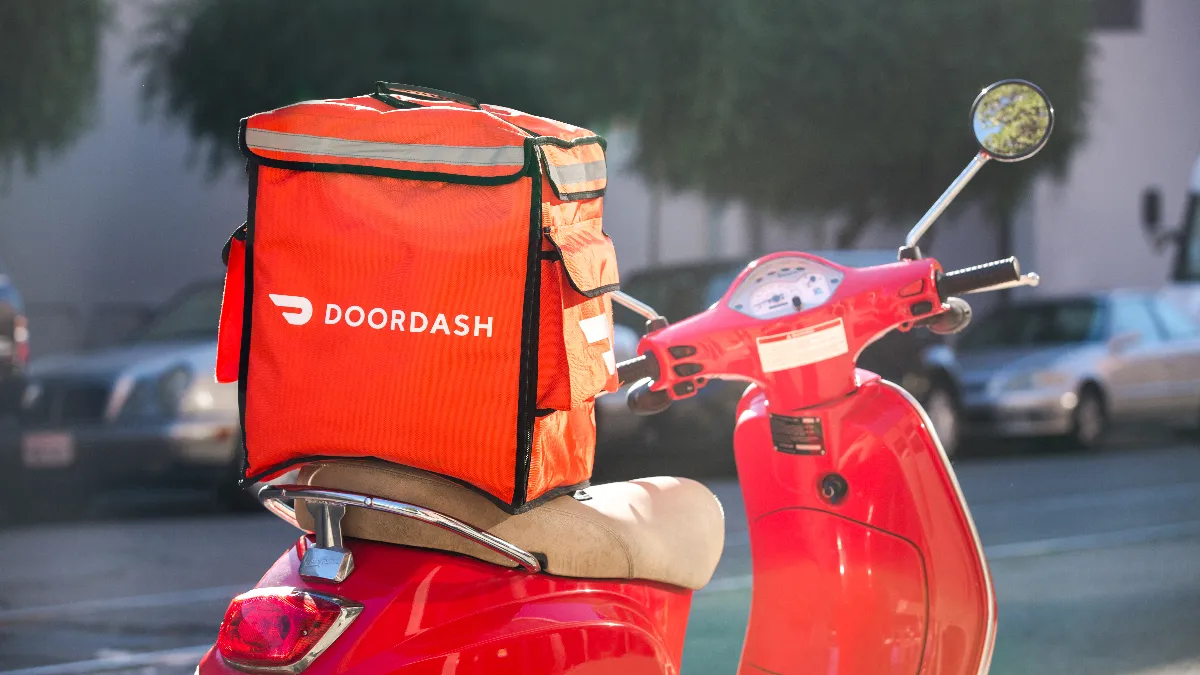
- DoorDash unveiled an operating system called DashOS this week that ties together the delivery giant’s tools including its marketplace, direct ordering, reservations, loyalty guest management and marketing, according to a Wednesday press release issued as part of the company’s 2026 Dash Forward event.
- DashOS connects customer interactions across ordering channels as well as through a restaurant’s own website.
- DoorDash said that the tool works without requiring restaurants to adopt a new system or overhaul their tech, and DashOS has integrations with a variety of point-of-sale systems and other restaurant tech platforms such as Clover from Fiserv, Qu, Checkmate, Chowly, Deliverect, Stream and Urban Piper according to the press release.
Dive Insight:
DashOS is part of broader shifts in the restaurant tech sector towards greater personalization of customer interactions and integration of data across systems.
DoorDash said its ability to integrate consumer interaction channels would help “operators better understand their own customers, personalize their experiences and build stronger relationships.”
That customer understanding, according to DoorDash, can help drive sales. Specifically, DashOS can be used to provide guests with personalized recommendations through artificial intelligence. DoorDash claimed this tool could increase reservations at restaurants by up to 15%.
The system also makes it easy “for restaurants to enroll customers in loyalty programs and reward them wherever they order or dine,” through DoorDash’s omnichannel loyalty program. Additionally, AI tools in DashOS, as well as technology from SevenRooms, which was acquired by DoorDash last year, can “automate time-consuming work like creating marketing campaigns, analyzing customer behavior, responding to reviews and answering calls.”
Combining data from a variety of sources could make it easier for restaurants to analyze consumer behavior and should make AI recommendations based on data more relevant, thanks to the greater context available to AI programs. DoorDash claimed that positive experiences for consumers in one channel often leads to repeat orders through other channels.
Per a DoorDash report from earlier this year, 74% of surveyed consumers said a dine-in visit led them to later order delivery from the same restaurant, while 62% said a delivery order generated an eventual dine-in visit.
The tech firm has made a number of major moves in recent weeks, including spending $300 million to buy Grubhub’s campus business and investing in Grubhub’s parent company, Wonder. At Dash Forward this week, the company announced a new proprietary drone delivery system and promoted its text message ordering tool.