This is the second installment of a three-part series on franchising in the restaurant industry.
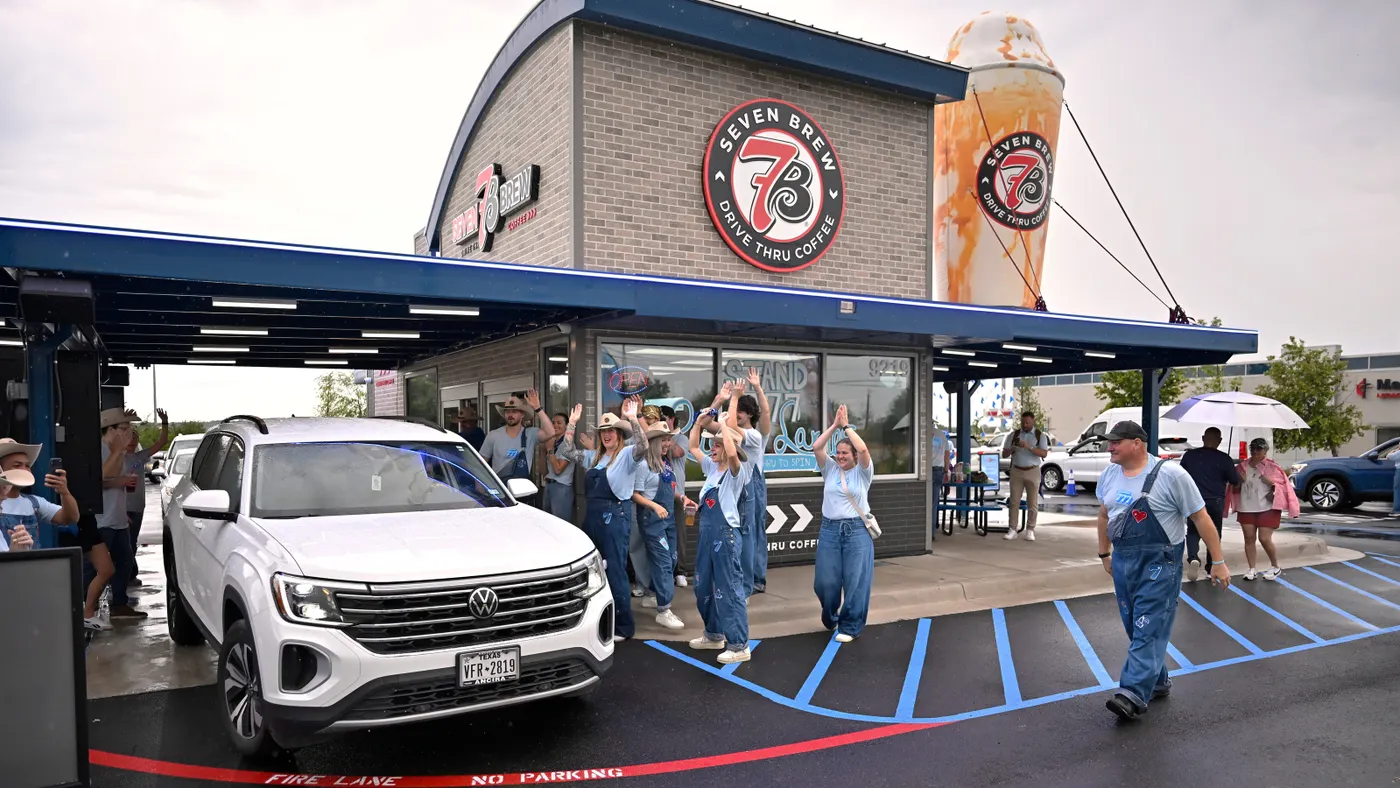
From 7 Brew to Qdoba and Chicken Salad Chick, restaurant brands are expanding rapidly through franchising. But experts warn that restaurant companies need to be very wary of bringing the wrong operators into the fold.
“The only way a franchisor is going to succeed is if the franchisees succeed,” said Dan Rowe, CEO and founder of franchise development consultancy Fransmart. “So then the only thing that really matters is if your franchisees are successful.”
Franchising is one of the predominant business models for limited-service restaurants and brings some serious perks — putting cost and operating burdens on franchisees allows chains to grow fast with reduced financial risk. Today, as restaurants fight rising costs and consumer pullback, this value proposition is especially enticing.
However, success hinges on finding franchisees that are true fans and are passionate about growing and improving a restaurant brand.
Operators also need to be careful to scale at a sustainable rate, experts said.
“I've seen some brands get in trouble where they sold a lot of franchises, didn't have their team at corporate to approve locations, [growth was] happening way too quickly, [there’s] not enough support, and that dilutes the brands,” said Ab Igram, executive director of the Tariq Farid Franchise Institute at Babson College. “It’s a recipe for disaster.”
The true cost of franchising
Franchise systems that work have a proven business model and service delivery system that serves as an effective operating blueprint for franchisees, Igram said.
“A franchise brand is viable when the unit economics work for the franchisee, and not just when the growth story works for the franchisor,” Igram said.
Franchise disclosure documents offer a glimpse into those economics. Restaurant Dive compared the estimated initial investment needed to open a restaurant with the average annual sales reported by franchisors across different restaurant chains and formats. While the figures don't reveal profitability, they illustrate the financial considerations prospective franchisees must weigh.
What it costs to open a franchise — and what units sell
Market success requires franchisor systems to be robust enough to provide consistent internal support to operators as they navigate real estate site selection, lease terms, construction, supply chain and training.
Brands also benefit with multiple operators opening units simultaneously, Igram said, since this allows for faster scale.
Beyond financial considerations, brands also need to determine whether their operations are ready to support franchise expansion.
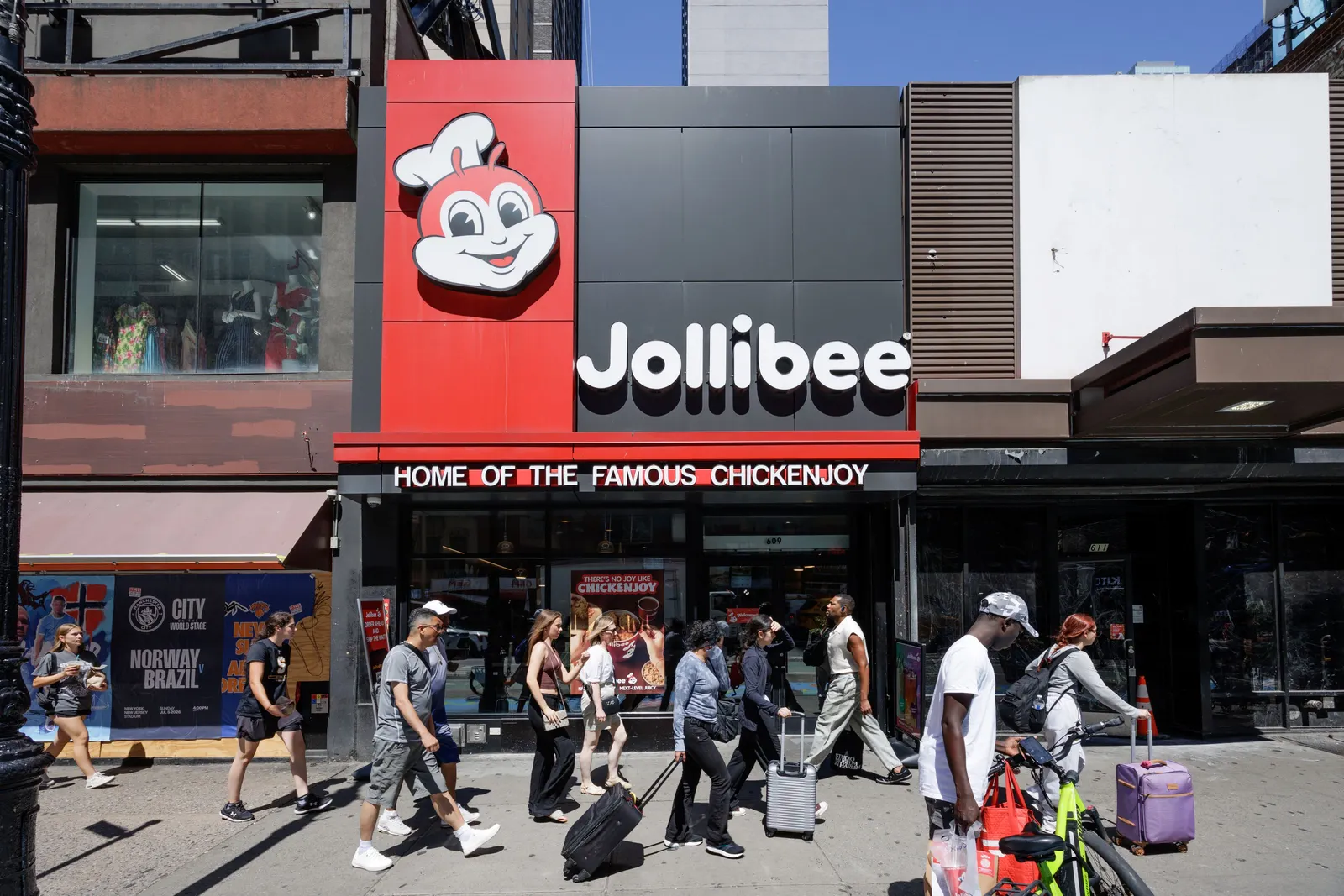
Jollibee is a recent example of how a slow-and-steady approach to franchising can pay off. The Filipino chicken chain has been operating in North America for over 20 years, but only opened franchising in 2025 after it felt it had maintained operational excellence and growing mainstream popularity to support expansion, said Peter Wright, Jollibee’s vice president of franchising.
“Operating a fast food restaurant in the United States is competitive,” Wright said. “It’s tough. It’s expensive, but we established a track record for success. So we said, ‘let’s look at franchising,’ which is a model that we also employ in other markets around the world.”
As of the start of 2026, the chain had three franchised restaurants open and another eight projected to open this year, according to its franchised disclosure document.
Franchisors — whether they are international or domestic players — benefit from connecting with local entrepreneurs who have a better understanding of the markets where a brand wants to grow. These operators typically have strong connections to their communities, which makes it easier to develop strategies that drive visits.
"[Franchisees] grow your value every time you're successful in a new market that actually adds market value to the franchisor,” said Rowe.
Finding the right operators
Even the best franchisor support can’t help an operator who is a poor fit, however. Inexperienced or underperforming franchisees could pick bad sites, hire the wrong workers, offer subpar customer service and deliver disappointing results, Rowe said.
Franchisees need to have a personality that fits a company’s culture, and need to be able to manage high-performing teams that yield happy employees, Rowe said. He added that operators should also be customers or "rabid fans" of the brand.
The model falls apart when franchisees immediately try to change things in the restaurant and not follow the franchisor’s playbook, Rowe said. These operators never seem to generate profitable results if they don’t follow the system.
“The very best thing a franchisor can ever do is say, ‘No. Not yet,’ [to a prospective operator],” Rowe said. “If they don’t already have the experience, you need to take more time [to support] them and you don’t just close them as soon as you can close them.”
Many franchisors have intensive selection processes, pushing noncompatible franchisees to self select and opt out if they don’t feel comfortable going forward, Rowe said.
The important thing is for franchisors to not make a sale with a multi-unit operator or even single-unit operator just for the sake of growth, Igram said.
“Franchisee selection is really critical because it’s a 10-year relationship,” Igram said. “If it’s not the right fit for a franchisee as well as a franchisor, that can slow things down. Selection of the franchisee is critically important.”
Jollibee, for example, has a “well-defined qualification process to become a franchisee,” Wright said.
The chain evaluates a prospect’s operating experience in a similar business category and ensures potential franchisees have demonstrated competence in running an operation, Wright said.
“We search for people who have experience already operating like-businesses,” Wright said. “With a local franchise operator, you’re taking advantage of sometimes years, decades of experience about how that market trades and who the communities are that you want to target and how to be successful in the business.”
The evaluation process for Jollibee also will include looking at if the candidate already has a team or has experience in building teams and developing people for leadership. The franchisor will also ask the candidate why they want to be part of the Jollibee brand.
“That’s important to us because we’re looking for franchisees who are aligned with our culture and corporate values,” Wright said. “Those values… [are] the filter through which we make our decisions.”
Jollibee engages with prospects very early, asking for detailed applications and a business plan on how that candidate would approach running a restaurant, Wright said. Prospective franchisees must attend in-person meetings with the entire leadership team, including a panel interview.
The chain also hosts a Discovery Day where people can come to the support center and go through a full day of presentations, restaurant site tours and meet with the senior team. This allows Jollibee management to get to know the people who want to become franchisees.
“We’re trying to help people make good investment decisions,” Wright said. “This is not about can you become a franchisee. It’s ‘should you?’ and ‘is this the right business for you?’”
Finding the right franchisor
Just as a franchisor needs to ensure that a franchisee is a good fit, would-be operators also need to do the same amount of due diligence, experts said.
Igram said operators evaluate the unit economics, brand and leadership team. They should also look closely at what type of support franchisors offer and ask questions about cash flow and profitability.
“Strong franchisors protect the brand while helping franchisees win locally,” Igram said. “That can be anything from training, data field support, technology, supply chain leverage, things that can really help the franchisee become profitable.”
Another area franchisees should understand is if there is capital coming into that particular space, whether it be fried chicken, fast casual or beverages, for example. While that doesn’t guarantee success, it can give franchisees an idea of the level of opportunity in that segment.
“If you're looking for a franchising opportunity, you want a company that's really focused on the success of the entire operation,” Wright said. “It's not the franchisee's success or the franchisor's success. It's the brand success which drives all that.”
Ensuring real estate is the right fit
One of the biggest challenges and markers of success after signing a franchise agreement is real estate, experts said. Franchisors need to develop a strategy for finding good real estate and helping franchisees open efficiently without any unwelcome surprises, Rowe said.
“Picking real estate — that’s half the battle right there — is figuring out where do you put this [concept] and making sure that when a franchisee opens, it actually opens on time and at budget,” Rowe said.
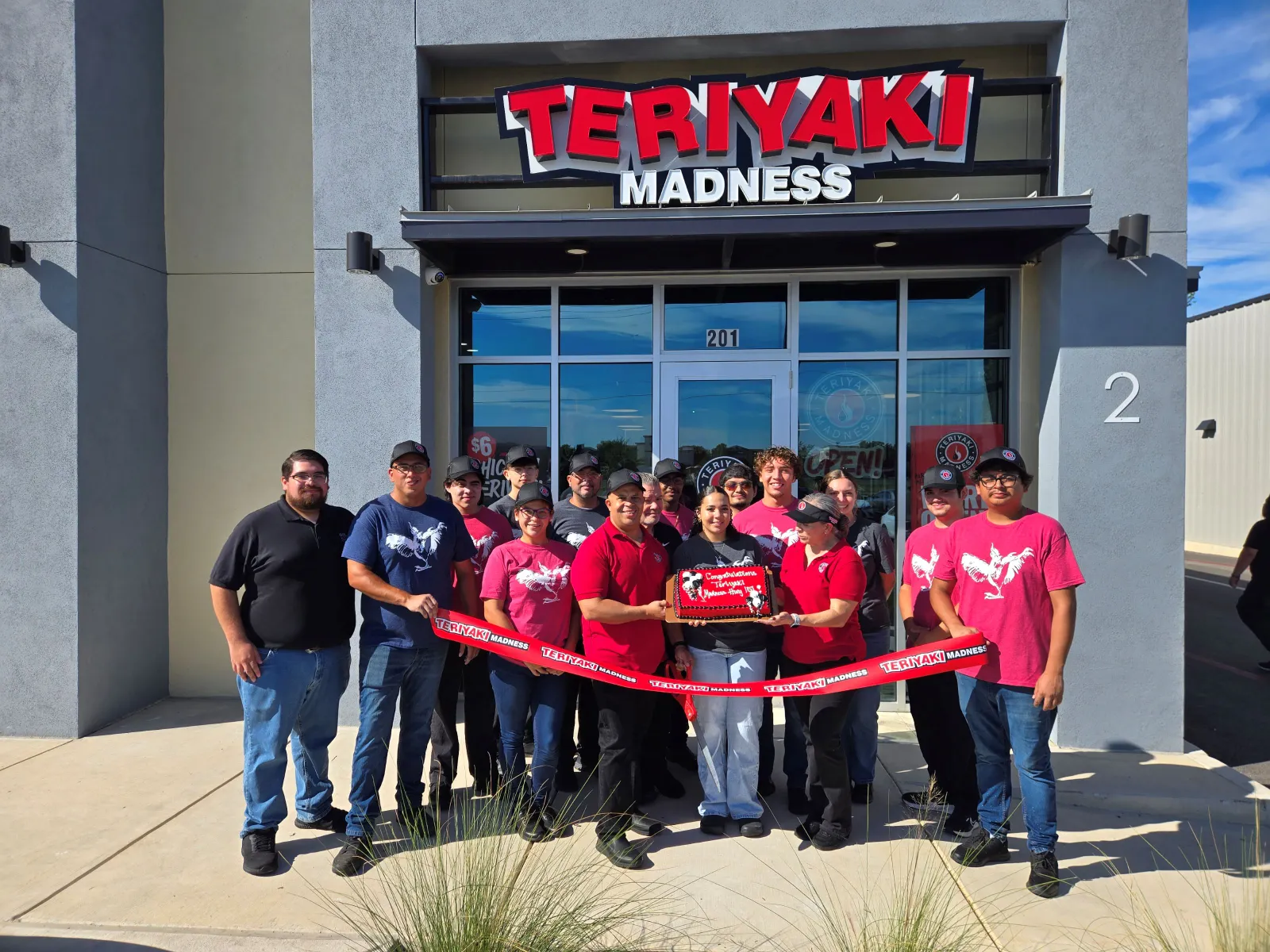
Teriyaki Madness, which has over 250 locations across 41 states, has taken a very hands-on approach to site selection with its operators to ensure that the sites they open are sustainable.
“Real estate can be overwhelming and there are a lot of moving pieces,” said Jake Lowell, franchise development real estate manager at Teriyaki Madness. “Every available space might not be the right opportunity, but by bringing more strategy and structure to the front end, we’re hoping that candidates can understand what a quality opportunity looks like.”
Additional support can provide more confidence during the process, Lowell said, adding that operators can then make more clear and direct decisions.
“We try to walk [operators] through what our process looks like from beginning to end,” Lowell said. That means discussing site criteria, order of operations after signing up, how the real estate process works and how to identify ideal properties."
Lowell added that Teriyaki Madness tries to get operators thinking about real estate as early as the first meeting after signing, sharing actionable sites with them that they can either move forward on or provide feedback on, allowing both parties to pivot quicker.
“By working with the national brokerage partner and their local contacts, we’re able to get the market warmed up before [operators] started as well,” Lowell said. “Landlords might have an idea of who’s looking, [and] where they’re looking, and it speeds up the communication timeline.”
Teriyaki Madness not only provides real estate support, but also walks franchisees through design and construction, and offers support for openings and marketing help, he added.
“You're looking at a site that you might possibly be in for 10 years, so we want to bring more clarity, structure, and confidence to the decisions that involve real estate,” Lowell said.
Building a strong franchisor-franchisee relationship
Open communication is by far one of the most important ways to provide support for franchisees, experts say, as it is key to providing transparency, maintaining system standards and ensuring that everyone is aligned on common goals.
Franchisors should take a structured, disciplined and calendared approach to communications, Rowe said.
It's also essential in creating a balance between letting franchisees have freedom to make changes while still leaving franchisors in charge of ultimate strategy.
That doesn’t mean franchisees can’t have some freedom to test something different. For example, McDonald’s Egg McMuffin originally came from a franchisee, Igram said.
Open communication also makes it easier for franchisors to sell new ideas and changes to operations or other business areas. Franchisors should show the merits of a plan and costs associated with things like new equipment and marketing campaigns instead of just pushing them on franchisees, Igram said.
Communication should also include sharing financials over corporate and franchised stores. If an operator is underperforming and sees that they are in the minority, that operator would be motivated to try and fix what the problem is, Rowe said.
“If their numbers aren’t good enough to show someone, they shouldn’t be franchising,” he said.
Open communication and transparency is also important when getting franchisees to co-sign on various changes to the business, be it technology integrations or remodels, for example.
Franchisors need to make sure that every fee franchisors pay is seen as an investment, not a cost of doing business. So if a franchisee pays into a tech stack, franchisors should test and make sure the technology works well before trying to impose it upon franchisees, Rowe said.
“Franchisors impose these crazy things about ‘you've got to go spend all this money upfitting your place,’ but if it doesn't actually move the needle, what's the point?” Rowe said.
Franchisors need to show before and after photos with corporate stores and show the return on investment and total cost. If a remodel is important to the franchisor, it could also make a co-investment with a franchisee to help validate the return on investment, Rowe said.
“It's better if you anticipate a lawsuit with every potential franchisee and just make sure you're doing your part so that that never happens,” Rowe said. “Success is the big thing. If they're happy and they're successful, franchisees will put up with a lot. … If they're not successful, it's just so hard to keep the wheels on.”
What effective communication looks like
At Jollibee, Wright established monthly business reviews and check-ins with each franchise owner to talk over what’s working, what’s not working and ask for suggestions for improvement. Then, both sides map out next steps. Wright said he plans to also create a franchise advisory council and bring owners together periodically throughout the year so that leadership and others can hear directly from operators.
Jollibee wants to be a “franchisor of choice,” Wright said and is working hard to ensure that it maintains a strong reputation of “being among the best.”
The chain uses various technologies, including a platform that it uses for companywide and franchisee communication that is viable 24/7, he said. Jollibee also employs franchise business coaches to further support operators.
It's not the franchisee's success or the franchisor's success. It's the brand success which drives all that.

Peter Wright
Jollibee’s vice president of franchising
Having constant communication can also help ease any potential tensions and improve relationships with operators.
“When communication channels are not effective, that’s where frustrations and other issues can bubble up or get hot,” Wright said. “That’s one reason that people truly don’t understand what’s required to successfully support a franchisee’s business.”
Doug Sanders, who has been a TCBY franchisee for over two decades, said communication has been key as the frozen yogurt chain overcomes challenges related to recent contraction. Sanders, who owns a unit within the Dallas area, is on the franchise advisory board and has phone calls regularly with corporate team members. If his store runs out of product, which is rare, he’ll call corporate and let them know.
Sanders often provides feedback on operations, particularly as the chain has shrunk in recent years and supply chain distribution has become more difficult. Many items are special orders, meaning they aren’t always on hand and require more time to procure.
However, as the brand returns to unit growth, working with distributors will become easier, Sanders said. In the meantime, corporate has been working closely with franchisees in different regions to address distribution issues.
Traffic has been growing at Sanders’ store, particularly as the local demographics continue to shift toward young families. He said his restaurant has seen an increase in revenue and traffic and expects this year to reach a 25-year high.
While Sanders is in his store every day, Igram says other larger multi-unit operators need to ensure that they hire capable managers to be in their stores to ensure that team members are engaged with customers and to follow day-to-day operations.
“[Franchising] can reduce some of the startup uncertainty for the franchisee, but it doesn't remove the need for leadership and discipline, which always wins the day,” Igram said.
Methodology
Restaurant Dive collected data from 2026 franchise disclosure documents (FDDs) for 30 large, privately held quick-service restaurant chains. To be included, a company had to appear on the Restaurant Business/Technomic 2026 Top 500 list, operate as a limited- or quick-service restaurant without wait staff, have franchised units and have more than 750 total units. Eligibility was determined based on 2026 ownership status.
Restaurant Dive analyzed average unit volume (AUV) and estimated initial investment ranges reported in the FDDs. Because franchisors disclose these figures with varying levels of detail, the visualization includes only restaurant formats for which both figures were disclosed at a comparable level. When matching figures were available for an entire chain, Restaurant Dive used those figures. Otherwise, it included individual restaurant types or subtypes for which both measures could be directly matched.
AUV represents average annual sales — sometimes referred to as “Average Net Sales” — among restaurants included in each franchisor's Item 19 financial performance disclosure. These disclosures typically include restaurants meeting specified operating-period requirements, often covering 12 or 13 months around the 2025 reporting year. The number of units included in an AUV calculation may therefore be smaller than a chain's total restaurant count.
Estimated initial investment ranges are reported in Item 7 of the FDDs and reflect franchisors' estimates of startup costs. AUV is not a measure of profitability, and comparing annual sales with initial investment does not establish return on investment or a payback period.