Dive Brief:
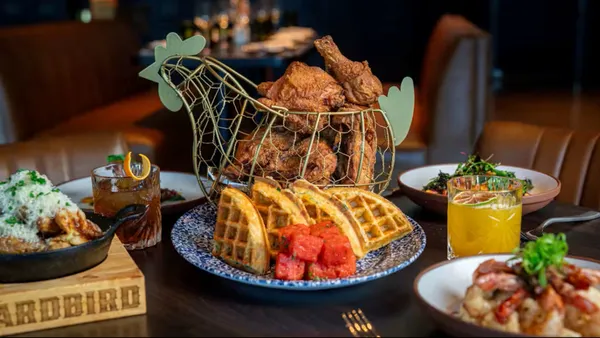
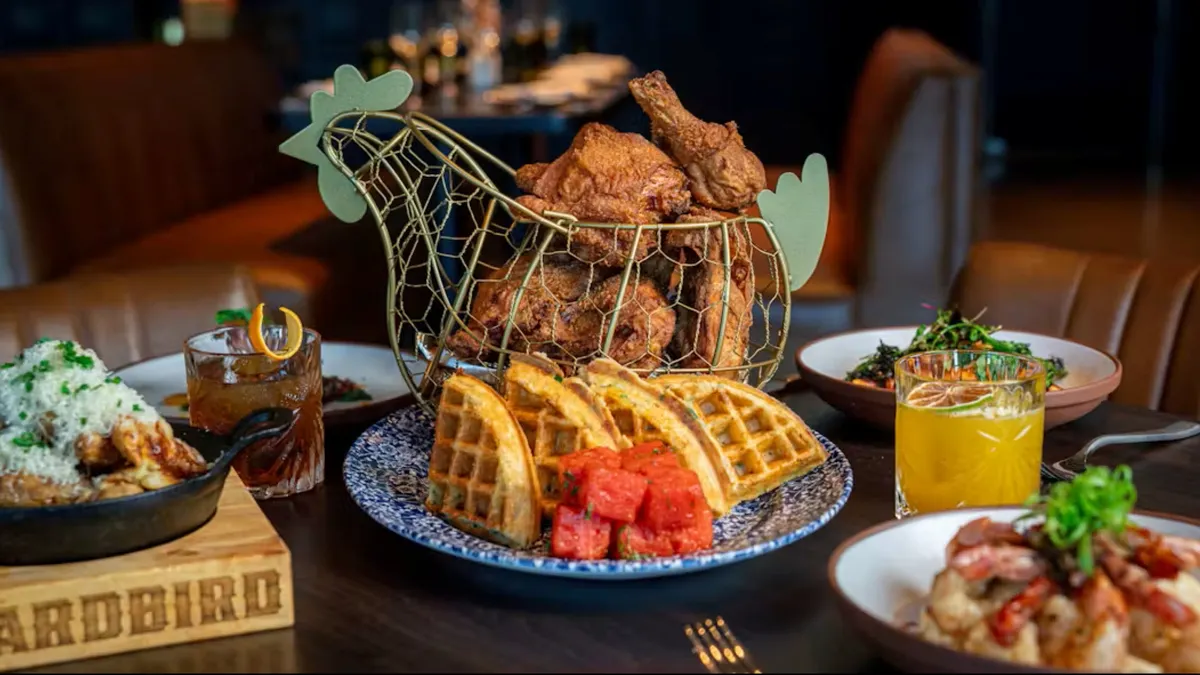
- Yardbird Southern Bar and Table, a casual dining fried chicken chain with three company-operated and two licensed locations, filed for Chapter 11 bankruptcy protections on Monday, court records show.
- The brand closed three locations — in Denver, Los Angeles and Miami — in the runup to the filing, according to a declaration filed by Yardbird Group Chief Restructuring Officer Albert Altro.
- Altro said Yardbird was plagued by expansion-related costs, a difficult capital structure, “location specific operating challenges” and structural changes to the restaurant industry following the COVD-19 pandemic.
Dive Insight:
Yardbird was formed in 2011 in Miami Beach and opened its second unit in 2015 in Las Vegas, per the declaration. After securing a minority investment from TriSpan, a private equity group, in 2017, Yardbird pursued significant expansion, primarily in major U.S. cities.
“That expansion required substantial capital investment, and, over time, the Company incurred additional indebtedness,” Altro wrote. Yardbird ultimately racked up about $25 million in debts.
TriSpan eventually took 100% control of the chain, per the filing.
After COVID-19 complicated its development strategy, performance diverged sharply across the chain’s locations, with some remaining profitable, while others suffered from “changes in neighborhood traffic patterns, tourism, convention activity, consumer behavior, and the development of surrounding trade areas.” Some of those changes were attributable to the pandemic, Altro wrote.
The chain undertook a pre-petition marketing process that “culminated in the negotiation of and entry into an asset purchase agreement,” with a stalking horse bidder covering the brand’s assets. That agreement “will be subject to higher and/or otherwise better offers through the continued sale process.”
U.S. business bankruptcies have increased in recent years, including in the restaurant sector, as consumer price-sensitivity, macroeconomic uncertainty and rising borrowing costs have strained many businesses. In 2026, this resulted in bankruptcies across a range of restaurant sectors.
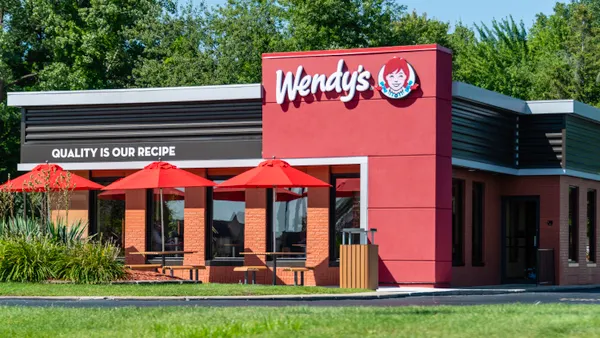
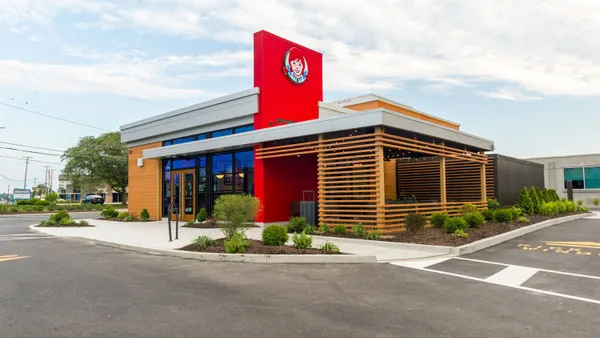
A major Wendy’s operator filed for bankruptcy this month after the brand’s sales fell. In fast casual, both operators — like a 38-unit Moe’s franchisee — and brands — like Salad and Go — have sought bankruptcy protection over the last few months. In casual dining, On the Border filed for Chapter 7 bankruptcy in June.