


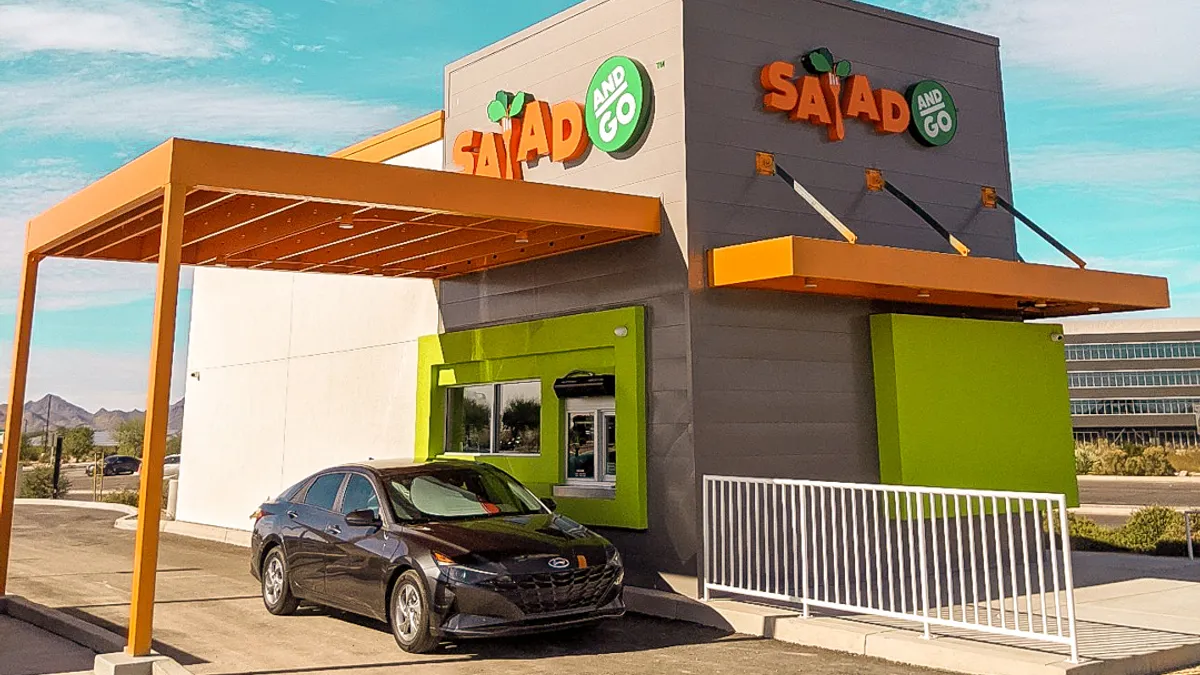
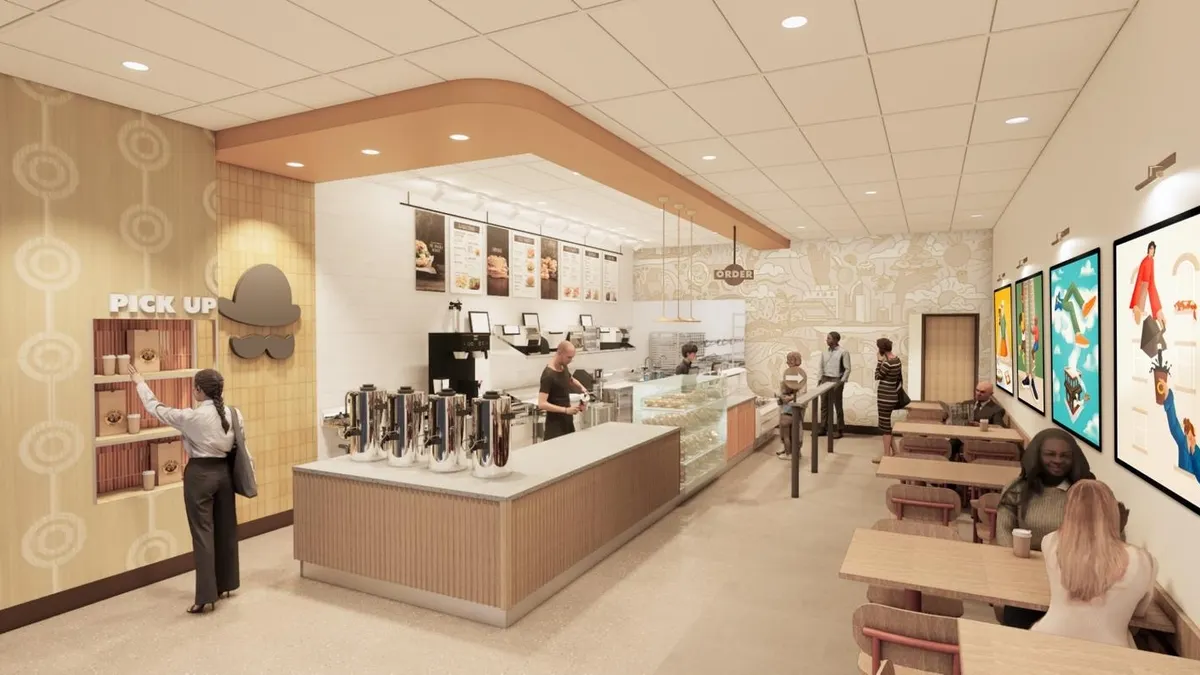
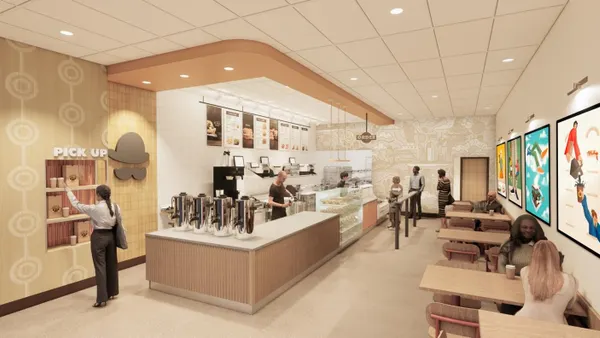
On Aug. 4, Salad and Go filed for bankruptcy protection and closed all of its remaining 70 restaurants. Dutch Bros will buy the real estate and related assets of 65 Salad and Go locations in Arizona, Nevada, Oklahoma and Texas and convert them to drive-thru coffee shops.
Those closures and sale of assets mark the final chapter for the once fast-growing, drive-thru salad chain.
At one time, the company was a seemingly profitable organization, with a vertically integrated supply chain. The chain prepared and portioned the ingredients for its salads offsite at central kitchen facilities before delivering them to its small-format drive-thru locations. At its peak in 2022, Salad and Go had a valuation of over $1 billion, according to a First Day Declaration court filing.
“This vertical integration eliminated intermediary costs, ensured consistency, and enabled the Company to offer its products at accessible price points,” Francis Gallagher, CFO of Salad and Go, wrote in the declaration.
Salad and Go’s menu aligned with consumer trends favoring whole ingredients, balanced meals and affordable prices compared to fast food offerings.
Salad and Go’s management team did everything it could to keep the chain running, Gallagher said. In 2025, the chain hired Michael Tattersfield, former CEO of Krispy Kreme, as CEO for his “proven turnaround experience,” Gallagher said. The company engaged a chief restructuring officer from Stout Risius Ross to help manage its liquidity, negotiate with creditors and find restructuring alternatives.
The chain also closed 70 more units in peripheral markets, reduced corporate headcount, renegotiated vendor contracts and closed its Texas Central Kitchen. But these efforts were not enough to keep the company afloat.
The chain still faced significant headwinds thanks to ongoing liquidity and economic challenges, Gallagher said.
Rapid expansion, underperforming locations
In 2021, Salad and Go rapidly expanded into Texas and Oklahoma. To support store development in these new markets, the company invested over $47 million and acquired over $25 million in New Market Tax Credit Qualified Low-Income Community Investment loans from lenders to build out a central facility, which had a total cost of over $72 million, Gallagher said.
At its peak, the chain operated 146 units in Arizona, Nevada, Texas and Oklahoma, but its operations in the latter two states faced serious problems, Gallagher said. In those markets, various sites were not accessible to car traffic and were not as visible as its Arizona locations. The chain also built a larger number of units before building consumer awareness. The Texas facility also had high annual overhead costs of $15 million to $20 million.
“The Central Region market was significantly cash-flow negative even prior to allocating corporate overhead,” Gallagher wrote.
The chain closed 41 underperforming units in the Central Region in September, then closed the rest of its Texas and Oklahoma units in January. It also closed the Texas kitchen facility and reduced its corporate headcount.
“These measures proved insufficient to address the Company’s liquidity constraints, among other reasons,” Gallagher said.
Economic conditions, Cyclospora outbreak compounded liquidity issues
Even after downsizing and cost reductions, the company’s financial conditions remained challenging, Gallagher said.
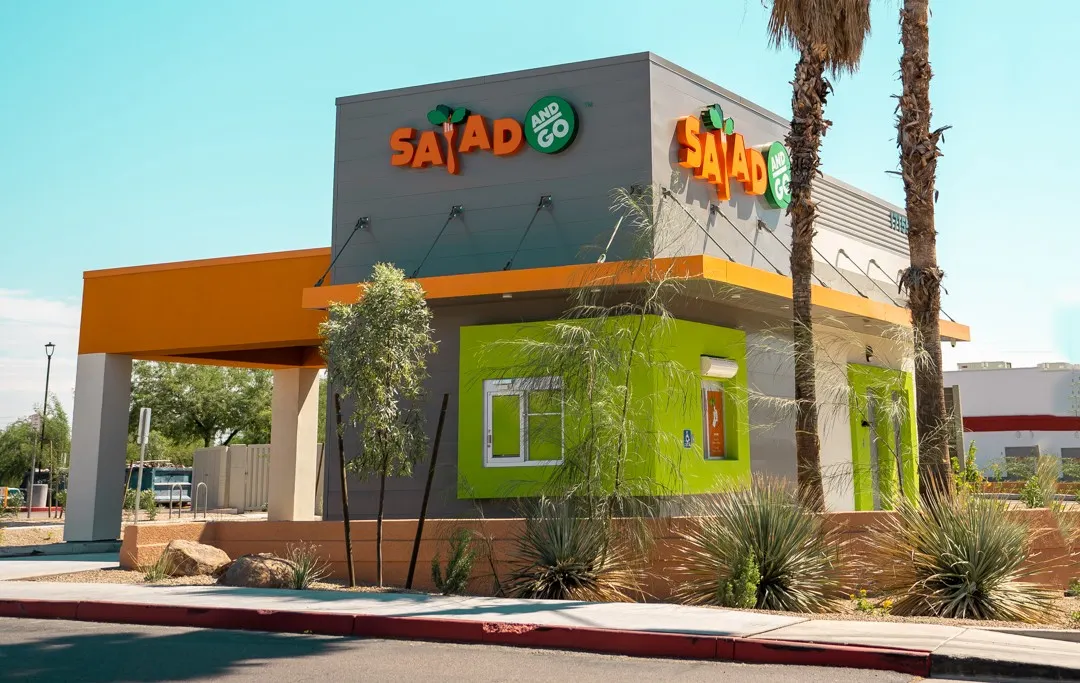
While its Arizona and Nevada restaurants broke even at the store level, the company faced ongoing corporate overhead, financial obligations related to closed store leases and administrative costs that led to unsustainable cash burn even as the company scaled back, Gallagher added.
A recapitalization effort, which included $27 million in capital from existing equity holders, was largely consumed by “prepetition operating losses, dead rent, and wind-down costs,” Gallagher said.
“Additionally, rising gas prices, reduced consumer spending, and the Cyclospora outbreak significantly accelerated cash losses over the 90 days immediately preceding the Petition Date,” Gallagher wrote.
Salad and Go said its competitors faced foot traffic declines ranging from 3.1% and 11.5% in the early days of the cyclosporiasis outbreak. According to Placer.ai data, fast casual traffic fell 1.1% on July 17, while salad-heavy chains like Chopt saw traffic down in the double-digits from July 16 to July 18.
“In the fast-casual dining industry, which operates on very tight margins, a drop in sales by that percentage is devastating,” Gallagher said.
Failed sale
In addition to a recapitalization effort, Salad and Go engaged in discussions with a potential buyer beginning in February. This would have resulted in a non-bankruptcy transaction covering its Phoenix, Tucson, Arizona and Las Vegas locations, its Phoenix-area Central Kitchen and related infrastructure.
Negotiations led to a non-binding term sheet with a Sept. 16 closure date; but the parties were unable to reach a definitive agreement. A no asset purchase agreement was executed following those discussions, Gallagher said.
“More recently, the Debtors have engaged in discussions with numerous parties regarding a sale of the Debtors’ assets and have entered into an agreement for the sale of certain assets, including a number of unexpired leases,” Gallagher said. “The Debtors are filing a motion to approve the sale of those assets and intend to seek Court approval of that sale.”





.jpg)