Dive Brief:
- Price sensitivity and spending pullback for consumer-facing brands, including restaurants, may continue to worsen despite moderating gas prices, according to an emailed report by William Blair analysts.
- The report found resilient consumer spending could be undermined by falling real wages and considerable drawdown in personal savings.
- Despite such economic factors, the analyst firm predicted that those restaurants that managed to underprice overall inflation and take advantage of convergent consumer trends, including a focus on healthier-seeming foods, would perform well.
Dive Insight:
Recent quarters have seen stark divergence in sales performance between weak and strong brands.
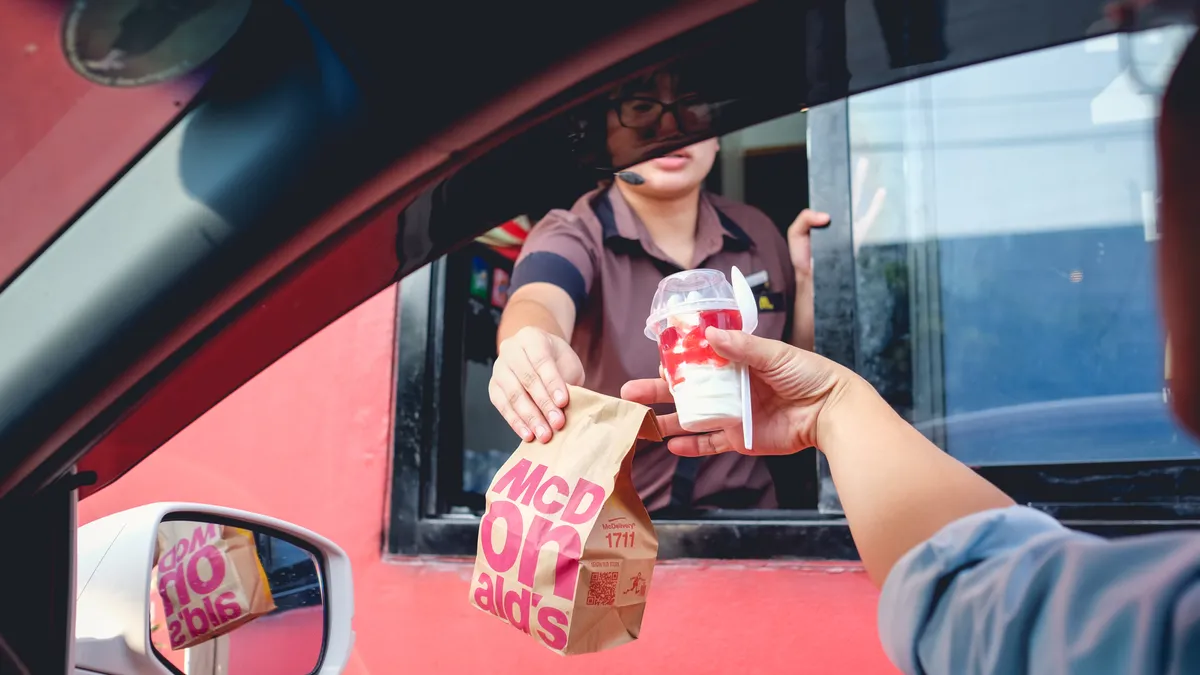
In the burger sector, for example, Burger King and McDonald’s posted 5.8% and 3.9% same-store sales growth, respectively, in the first quarter, while Wendy’s saw a 7.8% decline.
“The divide between winners and losers will likely continue to deepen,” the report found.
Recent earnings calls suggest consumer-facing brands have limited ability to raise prices at present, despite persistent increases in transportation and energy costs relating to the Iran War.
“The posturing from many of the companies across our coverage suggests price will be used as a last resort to help offset cost increases, a departure from 2025 when tariffs gave most companies permission to take price without much consumer pushback,” the analysis found.
This decision could result in margin compression for brands that resort to discounting, or traffic trouble for those that raise prices. Complicating the matter is the intensity of value promotions from major restaurant players, which could make it difficult for any one discount or value effort to have a major impact.
“The restaurant promotional environment since the fourth quarter of 2025 has been arguably the most intense since the Great Recession,” the report said.
Still, some brands are positioned to outperform competitors, the analyst firm said.
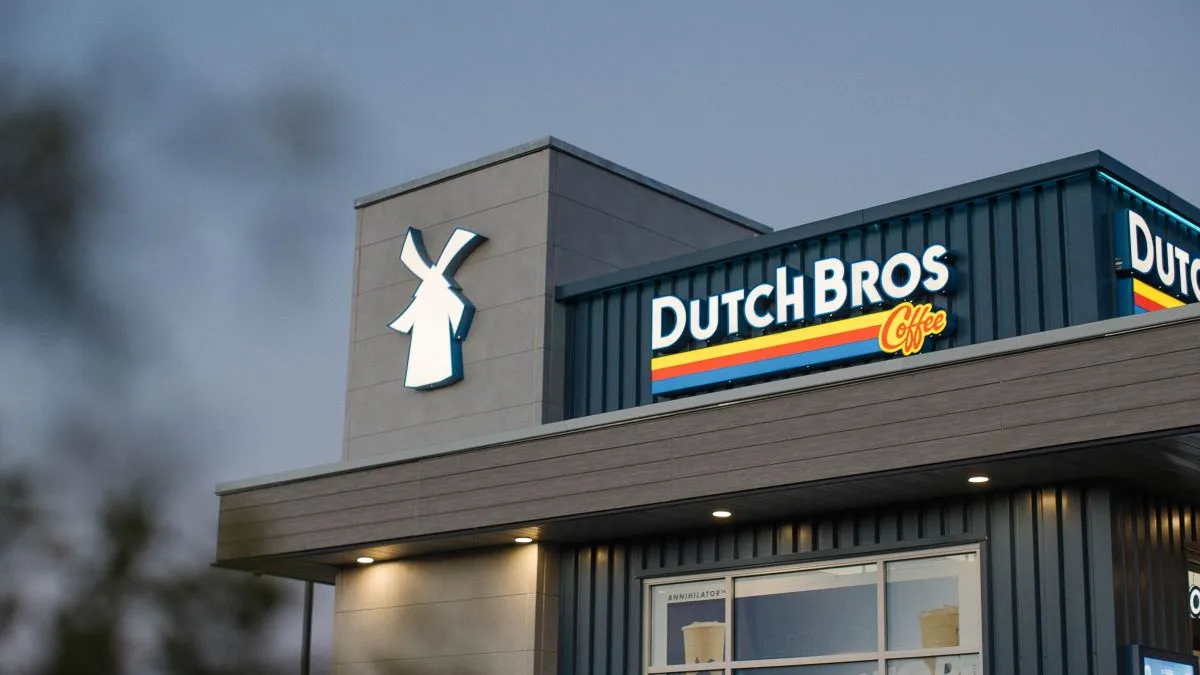
William Blair analyst Sharon Zackfia singled out Cava and Dutch Bros as potential over performers. The former has underpriced the consumer price index by 10 percentage points in recent years and its unit growth is leading to a rapid increase in brand awareness. Cava’s menu is also well-positioned to capitalize on a variety of consumer trends, according to the report.
“We believe the brand’s strong value proposition alongside its health-conscious and extensively
customizable menu has positioned it well to benefit from both trade up from quick service and trade down from casual dining,” William Blair found.
Cava also has seen some strength with low-income consumers at a moment when many other brands have highlighted the weakness of that consumer segment, the report said.
Dutch Bros, which has seen an explosion in brand awareness, “has been a model of consistency, delivering mid- to high-single digit comps each of the last six quarters alongside solidly positive traffic growth.”
The coffee chain’s success is buoyed by a 30% increase in unit LTO velocity year over year, and a strong loyalty program that accounts for 74% of transactions. At the same time, improved customer segmentation within Dutch Bros’loyalty system, paid media spend and restrained pricing mean it is “insulated from macro pressures and more capable of influencing customer behavior in the wake of macro events,” according to the report.