Dive Brief:
- McDonald’s traffic fell in the United States in Q2 2026, but increased check offset the transaction decline, resulting in 0.8% same-store sales growth, according to the chain’s earnings release. The result is a significant deceleration compared to Q1, when comps rose 3.9%.
- CEO Chris Kempczinski attributed the U.S. traffic slowdown to execution problems, and said the chain did not have a strategy problem, on the chain’s Tuesday earnings call.
- McDonald’s operations were strained by a large number of menu deployments, resulting in increased ticket times and decreased consumer satisfaction. The brand is “acting with urgency” to improve its value proposition and operations in the U.S., Chief Financial Officer Ian Borden said on the earnings call.
Dive Insight:
The chain’s traffic was also hindered by changes to the structure of its value menu and its promotional offers, Borden said.
In April, McDonald’s added an “Everyday Affordable Price” tier to its McValue menu, Borden said, but this rollout was hamstrung by low customer awareness and inconsistent restaurant-level execution. Borden said similar promotions had worked well in overseas markets.
Simultaneously, the chain “pulled back on digital offers and removed our Buy One Add One for $1 feature to offset the investment behind McValue,” Borden said. This pullback contributed to the same-store sales softness, with Borden estimating the value issues accounted for two-thirds of the chain’s traffic underperformance.
The brand will use its extensive loyalty program and digital tools to improve traffic through “digital flash deals” beginning next week and greater personalization of offers to high-frequency customers, Borden said.
Ahead of the earnings call, McDonald’s named Skye Anderson as president of its U.S. operations, succeeding Joe Erlinger. Anderson will work to solidify the chain’s value and affordability position in the U.S.
The Golden Arches will shift some of its marketing spend toward promoting strong value choices, like its Extra Value Meals, in the second half of the year, he added.
Some franchisees effectively used the Everyday Affordable Price program as a way to take price, Kempczinski said, contributing to the traffic problem. Kempczinski said the Everyday Affordable Price program had inconsistent execution across the U.S. restaurant system.
“We simply didn't execute at the level we needed to in the second quarter,” Kempczinski said.
Operations problems caused by menu launches compounded the value issues.
“Our restaurant teams were overwhelmed by too many deployments in the quarter, which led to less efficient restaurant operations,” Kempczinski said. “This impacted customer service times, and as service times went up, satisfaction scores went down.”
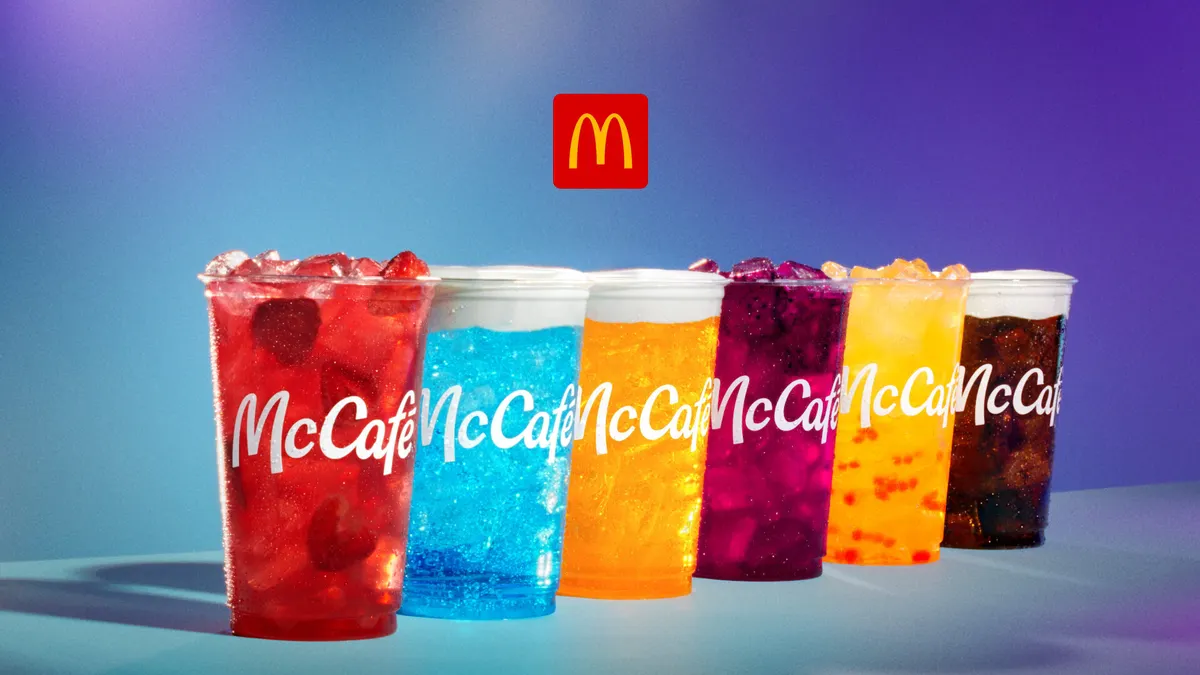
McDonald’s launched a lineup of premium beverages and dirty sodas in the spring, which necessitated adding an entirely new in-restaurant labor position.
Borden said the brand has taken steps to improve its operations and will eliminate several non-customer facing tasks throughout the rest of the year.
McDonald’s is in the process of launching its McDonald’s > NEXT plan, which is focused on menu innovation, productivity improvements and changes to its restaurants.
“While this plan will require system investment, we expect it will also be meaningfully self-funded by the many productivity opportunities that we see in our company and franchisee restaurant P&Ls,” Kempczinski said.
To support its operational efforts in the U.S. and sustain its growth abroad, the brand will launch a comprehensive retraining program in October that will ultimately impact as many as 2 million workers, company employees and supplier partners, Kempczinski said.