Dive Brief:
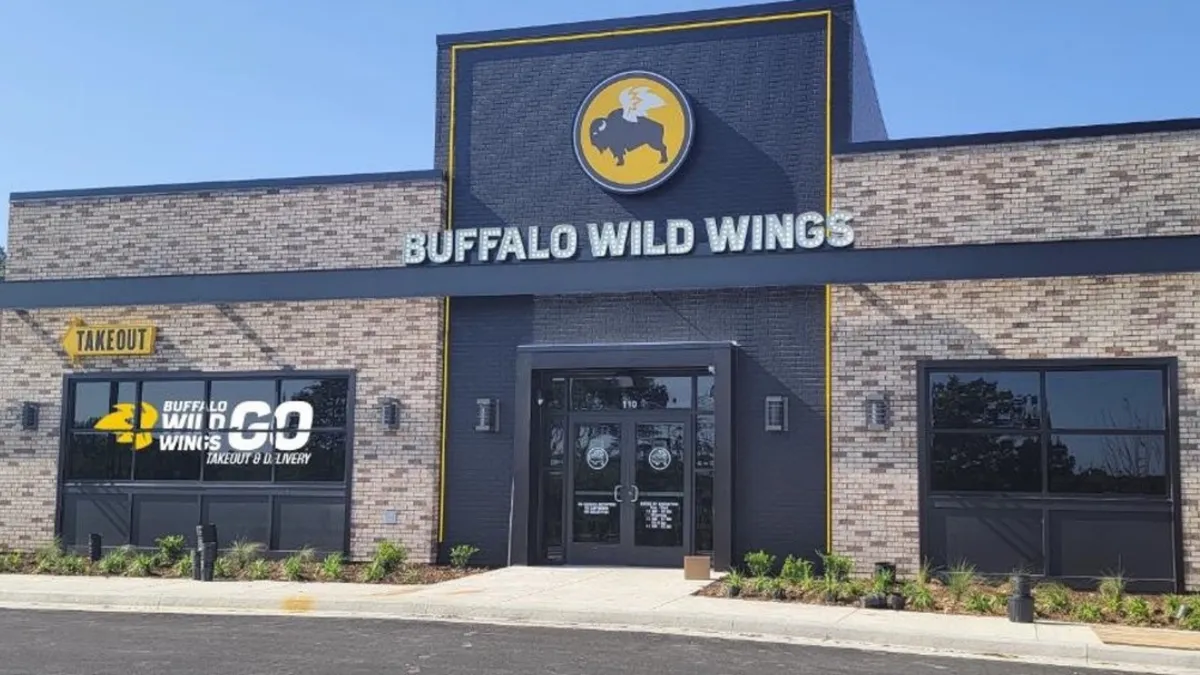
- An Inspire Brands franchisee will open the first co-branded Buffalo Wild Wings Go and Jimmy John’s restaurant in Palmetto, Florida, on Aug. 18, the company said in an emailed press release.
- Quality Foods Restaurant Group, which operates three Buffalo Wild Wings locations in Florida, said its new restaurant will be in one of the fastest-growing markets in the country.
- Inspire Brands has quickly grown its Buffalo Wild Wings Go spin off, reaching 219 units last year, according to a franchise disclosure document. When Inspire Brands opened its 100th unit in 2024, the chain had commitments to open 600 units, meaning the total number of BWW Go units could surpass 700.
Dive Insight:
Co-branding with Jimmy John’s could help franchisees boost average unit volumes, which were just below $1 million for BWW Go. Jimmy John’s typically generates average-unit volumes of just over $1 million, according to a franchise disclosure document. Jimmy John’s has also built up its unit count, reaching 2,777 locations last year, up from 2,637 in 2023.
The new Florida restaurant is unlikely to be the only co-branded Buffalo Wild Wings Go. The brand also has an arrangement with other Inspire Brands properties, including Arby’s, Dunkin’, Baskin-Robbins and Sonic, to offer qualified operators the right to co-develop across the Inspire system, per an FDD.
The newest co-branded location will offer BWW Go’s carryout and delivery-focused experience with a menu of bone-in and boneless wings with over 26 sauces and rubs as well as tenders, sandwiches, wraps, burgers and shareable sides. Jimmy John’s will offer its menu of fresh-made sandwiches that include hand-sliced meats and baked bread.
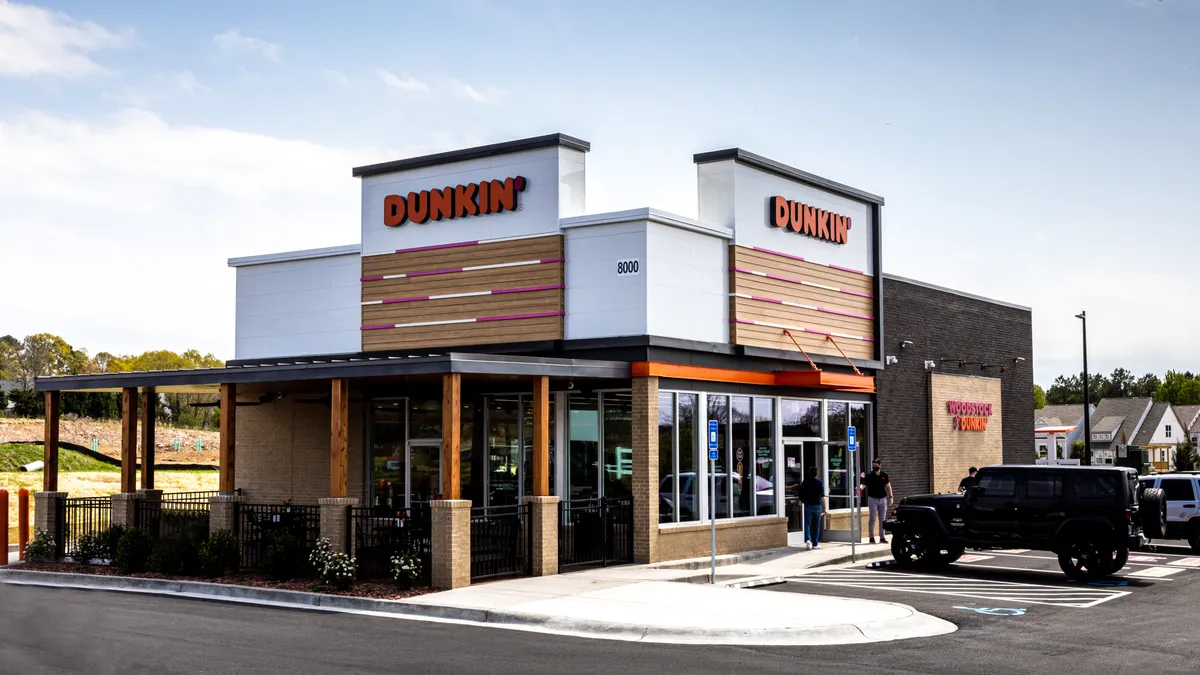
Inspire Brands has been co-branding for some time through its Dunkin’ and Baskin-Robbins brands, and has 1,219 franchised combo units currently in operation, with 26 more expected to open this year. Other companies, including GoTo Foods and Dine Brands, also have been offering co-branding opportunities to franchisees. Dine Brands has seen twice the amount of sales at a dual-branded location compared to a single-branded location, and sees whitespace for 900 such units in the U.S.