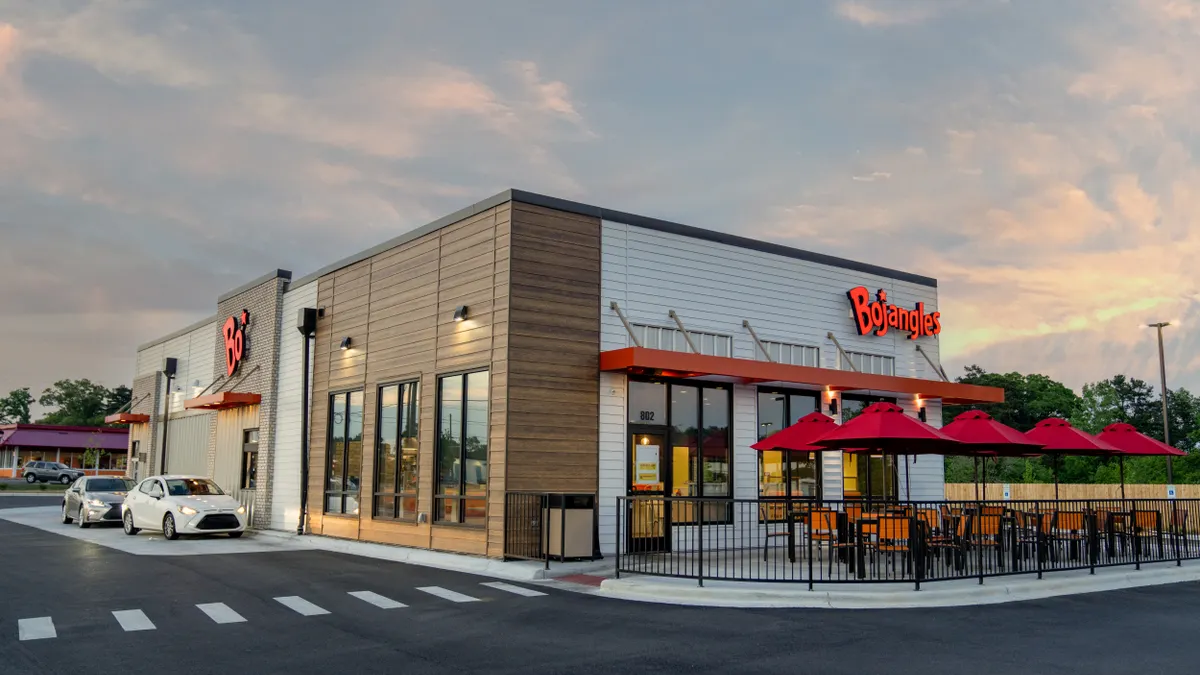
LAS VEGAS — Bojangles just notched two record years for store openings, but now it's easing off the gas pedal. By slowing its development pace, the Southern chicken chain hopes to focus on filling in recent market entries, said Brooks Speirs, Bojangles' vice president of franchise sales.
“Instead of having two stores [in one market], let's get to five before we go in a brand new market,” Speirs said, outlining the chain’s approach to growth in 2027 at the Restaurant Finance and Development Conference in Las Vegas this week. “[We’re] a bit more focused on slowing down.”
Speirs said Bojangles is particularly keen on building up its presence in Florida, Texas, Arizona, Ohio, Pennsylvania, Kentucky and New York, before moving into more markets.
This focus on infilling markets and consolidating its position in new trade areas is a natural next step in Bojangles’ effort to evolve from a regional powerhouse in the Carolinas and Georgia into a national chicken contender. The chain is on pace to hit 900 locations early next year, Speirs said, and its five-year plan is to reach 1,100 units.
But this growth journey — which began in 2023 — has required significant adjustments to the chain’s identity outside of its home region, since consumers unfamiliar with the brand may not be drawn in by its regional heritage.
New markets require new strategies, but the core to a brand is its differentiation. Here’s what Bojangles has discarded and retained in its pursuit of national expansion.
Out with bones, in with tenders
Bojangles has pulled bone-in chicken off the menu in its new markets — but retained it in its historic markets — to appeal to new consumers. Consumers under 30 are unlikely to order bone-in chicken, Speirs said.
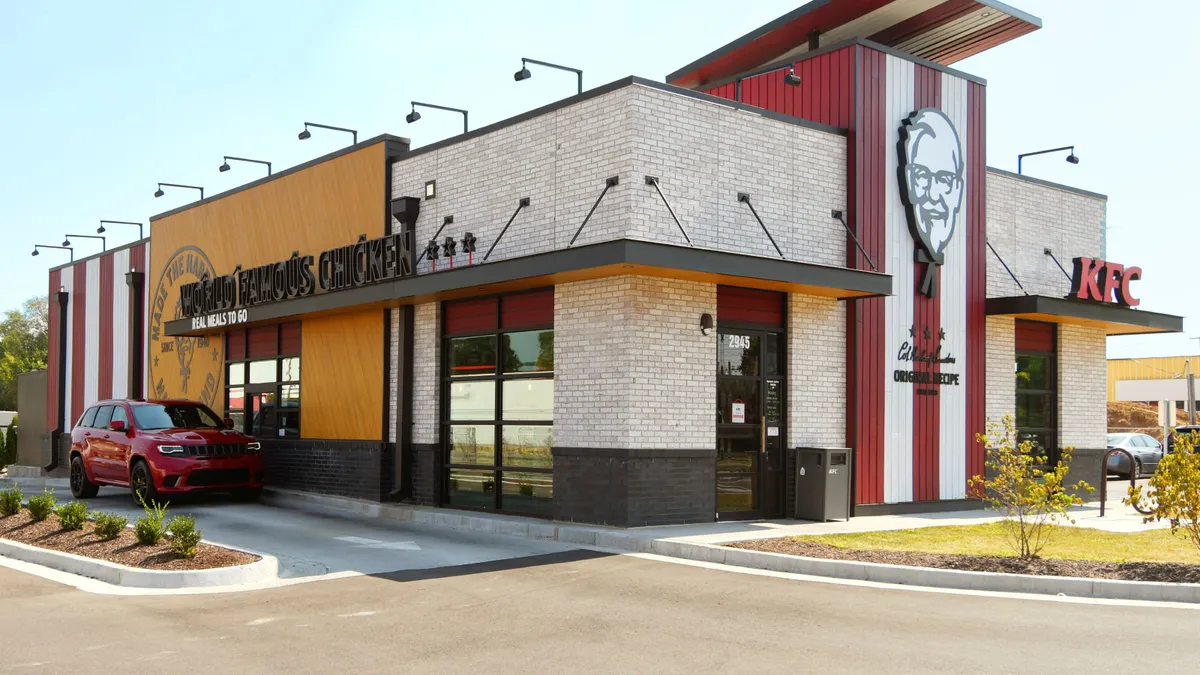
In the South, Bojangles is often seen as a competitor to KFC or Popeyes. It’s a legacy brand with a bone-in chicken core, but the chain wants to be seen as a Raising Cane’s or a Chick-fil-A competitor nationally. Those rival chains appeal to younger consumers in part because boneless fried chicken has a perceived health advantage over bone-in fried chicken, Speirs said.
“Perception's reality, so whatever they want to go with, we're gonna sell,” Speirs said.
The shift to boneless also simplified operations for franchisees and increased throughput.
“Bone-in chicken is an 18-minute fry time. Tenders are five minutes,” Speirs said. “When someone comes through the drive-thru and they order two thighs, one breast, one leg, one wing, speed of service struggles.”
Bojangles has redesigned its chicken tenders to support this emphasis on boneless in new markets, offering a hand-breaded tender with a marinade. Speirs said the chain tried to make its marinade flavorful enough that consumers wouldn’t need a sauce, though it offers a variety of dipping sauces.
Breakfast by design
One thing that hasn’t changed for Bojangles is an emphasis on breakfast.
“In the Carolinas, 40% of our business is done before 11 a.m.,” Speirs said. But outside of those markets, consumers are less likely to see fried chicken as a natural breakfast daypart. The brand has had to invest in marketing to get diners used to the offering.
But it worked — roughly 25% to 30% of sales in new markets come during breakfast hours. Growing sales in that daypart in the long term could give it an advantage over other QSRs that don’t have a breakfast menu or that de-emphasize the daypart as part of their business model.
Breakfast also imposes particular real estate requirements on a chain, Speirs said.
“Breakfast is a very fickle business. People are rushing to get to work, they don't have a lot of time,” Speirs said. “If you're going to be in breakfast, the consumer has to have a right [turn] in and a right [turn] out. If the consumer has to go left, left, left it's over.”
Younger diners
Many of the changes Bojangles is making are intended to find a new consumer base. In the Carolinas, the brand’s diners tend to skew older and more blue collar. Regional loyalty keeps Bojangles top of mind in those locales, but in other areas it might have to compete with similarly entrenched regional players for that same demographic.
Instead, Speirs said, Bojangles wants the under-30 consumer, or consumers with relatively young families. The emphasis on boneless chicken, he said, is one example of targeting that cohort’s preferences.
“Young people want convenience. They want hot, fresh food. They want food that they feel is better for them or good for them,” Speirs said.
One way to woo those consumers, Speirs said, is actually to avoid discounting. Younger consumers are happy to pay for a perceived premium good. Winning them now could help convert them into lifelong consumers — especially given the ritualization of the morning daypart, when consumers may be more likely to stick with what they know