This is the first installment in a three-part article series exploring the state of restaurant franchising.
Franchising is key to sustainable growth for most QSR chains, and the performance of local operators can reveal a lot about a private company’s overall health.
Unlike public companies, which generally report key performance indicators on a quarterly basis, private restaurant brands typically only publish key figures — like net unit change, projected future development and average unit volumes — in their annual franchise disclosure documents. These metrics are key to understanding a brand’s performance relative to competitors, as well as the value proposition franchisors offer to operators.
FDDs are available to the public, but it’s time-consuming to sift through these documents to compare the domestic performance of rival chains like Chick-fil-A and Church’s Texas Chicken or analyze the trajectory of a brand like Crumbl.
To demystify the progress of franchised QSR brands, Restaurant Dive has collated key development performance figures from the FDDs of 30 of the top privately held chains. Our analysis shows growth is concentrated among a handful of restaurants, as are unit declines. In total, the five fastest-growing brands in our dataset accounted for 55% of unit additions in 2025, while only seven systems shrank.
Restaurant Dive designed this data hub to allow readers to see at a glance who the winners and losers are in privately held QSR franchising. Like our same-store sales tracker and labor market analysis, we plan to update this data analysis periodically with the latest development figures.
Most brands grew in 2025, but net growth was concentrated among a handful of chains
Which brands are growing
Cinnabon led the pack in terms of expansion as the chain benefits from growing demand for cinnamon flavors, according to Entrepreneur. Cinnabon has also expanded its menu with new drinks from Seattle’s Best Coffee and dirty soda offerings called “Swirled Sodas,” the publication said. Cinnabon is opening more co-branded locations with Carvel and Auntie Anne’s, the latter of which had modest year-over-year unit growth.
Dunkin’s rapid expansion rate, driven by franchisees opening hundreds of units in 2025, is one of the strongest performances in our data set. Last year, the chain hit the 10,000-store mark in the U.S., making it just one of a handful of chains alongside Starbucks, McDonald’s and Subway to reach that level of development.
Chick-fil-A maintained a strong growth rate and, more notably, is the only brand within this data set to not have any franchisee transfers within the past two years. This likely reflects its high average unit volumes of over $9 million.
Tropical Smoothie Cafe also saw strong growth with a pipeline of over 900 units. The chain opened its 1,700th restaurant in April and is on pace to reach 1,800 units by year’s end. In September, it launched a rebrand and new logo.
It’s notable, however, that just because a chain is growing doesn’t mean it’s healthy, sustainable growth. Crumbl, for example, grew from 142 units at the start of 2021 to 1,059 units at the end of 2024, a 646% jump within four years. In 2025, its net unit growth continued, but at a slower rate of 42 units (54 franchised openings, 11 franchised closures and one company-owned closure). However, in 2026, the chain is struggling with declines in average unit volumes and has closed at least 57 locations as of October. Crumbl’s AUVs declined from over $1.3 million to $1.1 million between 2024 and 2025.
Which brands are shrinking
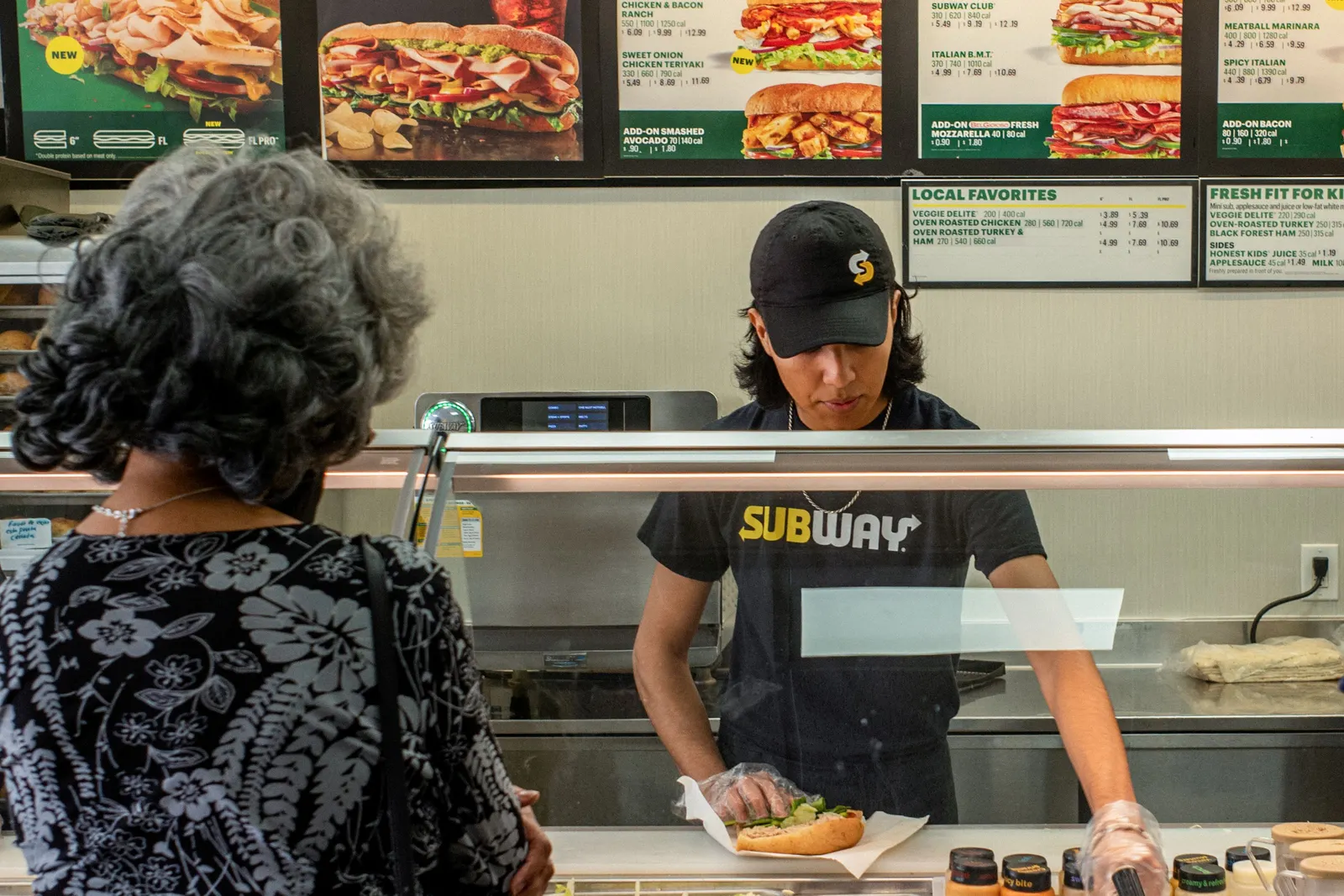
Subway was far and away the worst performer in terms of unit count among privately held franchised chains, losing a net 729 locations last year and more than 3,000 since 2021. Subway has been shrinking for more than a decade, and its closures in 2025 signaled that major changes made in recent years — various menu overhauls, C-suite changes, the opening of a new global headquarters and the debut of new store design priorities — have yet to improve unit economics enough to spark substantial franchisee growth.
The sandwich giant’s long streak of closures anticipated some of the right-sizing undertaken by publicly traded brands looking to improve store-level economics, like Wendy’s. But Subway remains a brand that is emblematic of overdevelopment risks.
CKE Restaurants’ two brands, Hardee’s and Carl’s Jr., have likewise seen long-term drops in unit count. The two burger brands have average unit volumes between $1.3 and $1.4 million, fairly low when compared to segment leaders like McDonald’s, which has a $4.1 million AUV. CKE’s AUVs are even low compared to struggling chains like Wendy’s, which generates an average of about $2 million per franchised unit, according to the brands’ respective FDDs.
These weak sales numbers might help explain some of the franchisee bankruptcies CKE has faced in recent years. Both Carl’s Jr. and Hardee’s have seen operators file for Chapter 11, often citing old stores, high costs and a difficult macroeconomic environment.
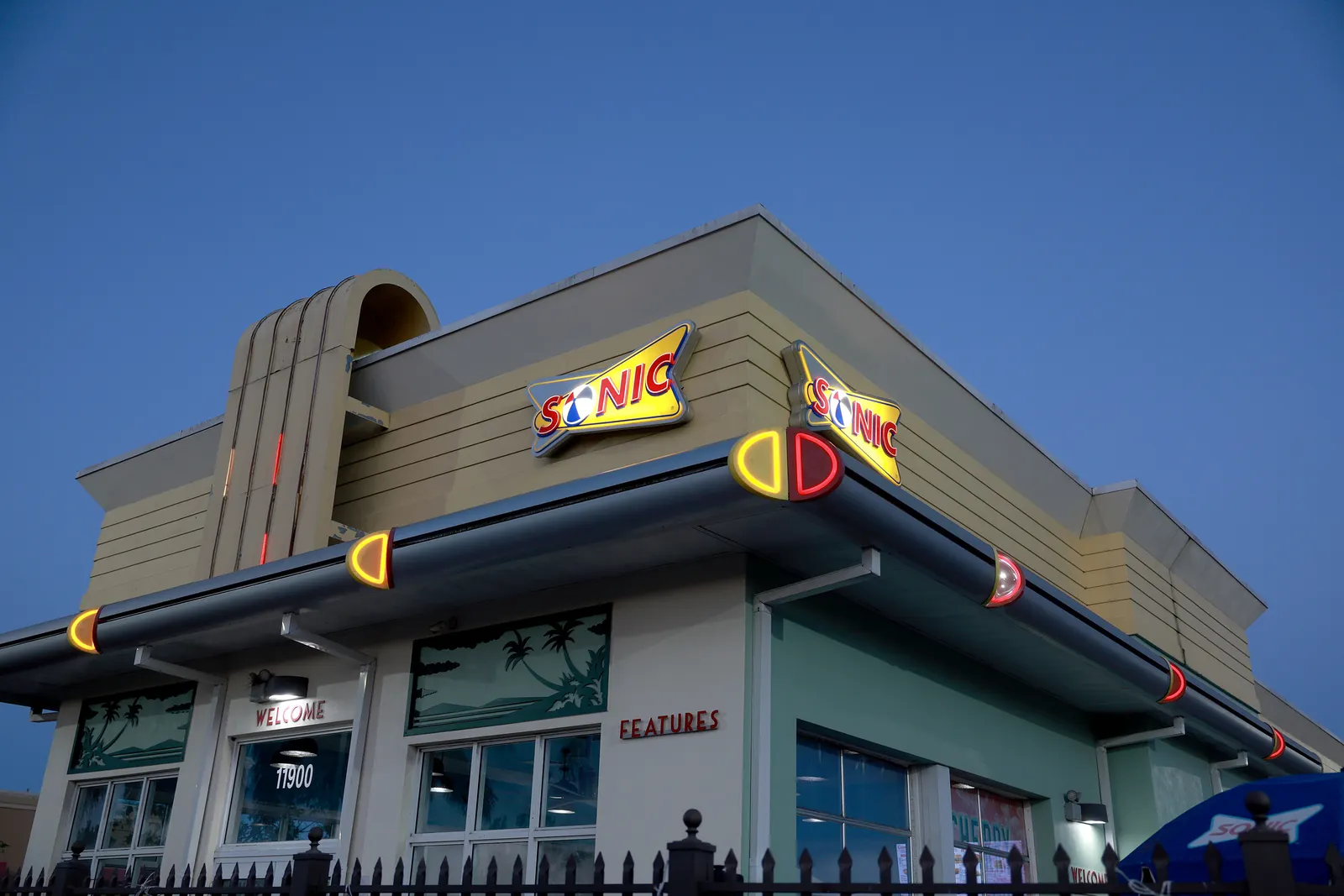
Inspire Brands, despite topping the growth list with Dunkin’ and seeing strong performance from Jimmy John’s, also had two brands with significant shrinkage over the last year: Arby’s and Sonic. Like CKE’s brands, Sonic has relatively low per-unit sales at nearly $1.6 million. While McDonald’s and Burger King have managed to drive significant same-store sales growth, the low AUVs at Sonic and CKE’s brands signal a long-term divergence in the performance of legacy QSR brands after the COVID-19 Pandemic. Arby’s, which lost a net 100 stores in 2025, also struggles to drive sales, with its units raking in about $1.3 million each. The sandwich brand is reworking its marketing in hopes of engaging more customers.
Notably, the brands both saw significant refranchising activity in 2025 — Arby’s shifted 159 company units to operators — and 57 transfers among franchisees. Sonic saw 100 transfers, and the closure or refranchising of 25 company stores. These trends could indicate a conscious effort by Inspire to concentrate its stores in the hands of experienced, high-performing operators.
Who accelerated their growth rate — and who slowed?
Some chains hit the gas, others hit the brakes
The year-over-year data shows how each brand’s growth trajectory changed from 2024 to 2025 — whether expansion accelerated, slowed or reversed direction.
Cinnabon had the biggest acceleration: its unit growth rate jumped from about 6% in 2024 to nearly 30% in 2025. Other chains continued expanding in 2025, but at a slower pace. Growth rates fell for Nothing Bundt Cakes, Tropical Smoothie Cafe, Scooters Coffee, Crumbl and Charley’s Cheesesteaks, even though each still added units in 2025.
A different group changed direction altogether. Church’s Texas Chicken and Dairy Queen Treat reversed course from unit declines in 2024 to growth in 2025. Church’s growth rate swung from -3% to 1.4%, while Dairy Queen Treat improved from -3.2% to 2.2%.
Church’s has largely focused on international growth, per prior Restaurant Dive reports, signing a deal for 600 units across China earlier this year, but also expects additional domestic growth as it pushes remodels and menu overhauls.
Dairy Queen added a $150,000 development incentive to new Grill & Chill franchisees earlier this year, which could help push it further into growth mode. The chain has nearly 2,000 Grill & Chill units as of 2025 compared to under 750 Treat units.
Why store declines are worsening
At the other end of the spectrum, several chains shrank in both 2024 and 2025, with higher contraction rates in the latter year — meaning their declines deepened.
While Subway saw the greatest unit declines in absolute terms, CKE’s two brands were hit hardest in proportional terms. Their declines also accelerated year over year: Hardee’s went from shrinking about 1.6% in 2024 to 5.5% in 2025, while Carl’s Jr. went from about 2.9% to 3.9%. The scale of these losses are similar to mass closures at publicly traded firms, like Starbucks, Wendy’s and Papa Johns, though those three chains are all notably undertaking major turnaround projects.
Subway’s proportional and absolute declines also deepened from 3.1% in 2024 to 3.7% in 2025, despite the chain’s acquisition by Roark Capital, the private equity firm behind Inspire Brands. Subway’s struggles have coincided with the expansion of Jersey Mike’s and other sandwich chains, like Potbelly, which typically occupy a more fast casual market niche than the legacy QSR giant. That market positioning may help the sandwich sector’s challenger chains weather price sensitivity among core consumers more effectively than Subway, which is trying to leverage value meals to drive consumer traffic.
Arby’s followed a similar pattern, with its contraction deepening from 1.4% in 2024 to 3.0% in 2025.
Moderation in the rate of decline was much rarer, by contrast. Sonic was the only chain that shrank in both years, but saw a proportional deceleration in its decline, which could indicate some stabilization for the burger brand. The contraction at Arby’s and Sonic may reflect efforts by owner Inspire Brands to retrench their store bases and exit underperforming trade areas ahead of a potential IPO.
Those overall gains and declines can mask what was happening within each system’s ownership structure. Looking separately at franchised and company-owned units shows whether system growth or contraction was driven primarily by franchisees, company stores or both.
What drove QSR system growth and decline?
But adding or losing franchised units doesn’t necessarily mean a system became substantially more or less franchised; that depends on how those changes compare with the rest of the system.
Looking at those ownership changes as a share of each system tells a somewhat different story.
Which systems became more or less franchised?
Who shifted most toward franchising?
Cinnabon, Dunkin’ and Chick-fil-A Traditional had the most franchised-unit growth in absolute terms, adding 308, 279 and 171 franchised units, respectively. But those gains did not translate into the largest shifts toward franchising. Cinnabon and Dunkin’ were already almost entirely franchised, leaving little room for their franchise shares to rise, while Chick-fil-A Traditional also added company-owned units, causing its franchise share to decline slightly.
Arby’s had the biggest shift toward franchised units by percentage, as its franchised unit count rose by 58 while its company-owned count fell by 158 — the chain reported closing 44 company-owned units and shifting 115 company-owned stores to franchisees in 2025, the most of any other brand in this list. While its system grew more franchised year over year, Arby’s system actually shrank by 100 last year.
Nothing Bundt Cakes had the second biggest shift toward franchising, adding a net 128 franchised stores while losing nine company-owned locations. The chain opened its 800th bakery in April, according to an emailed press release, and continues to work toward its goal of having 1,000 units by 2027. The chain also was sold to KKR for $2 billion earlier this year.
Charleys’ Cheesesteaks, Smoothie King, Jimmy Johns and Zaxbys also became more franchised as they added franchised units while shedding company-owned locations. Zaxbys is of particular note. After surpassing 1,000 units last year, it continues to enter new markets, including New York City earlier this year, and has expanded into non-traditional areas like military bases and gas stations.
Subway reacquired 148 units from franchisees only to sell that amount back to other franchisees. Subway had 1,307 franchisee transfers, the highest of any chain in this group, in line with its long-term strategy to shift its focus from single owner/operators to multi-unit franchisees.
Fast casuals are growing company ownership
The chains that saw a shift toward company-owned growth in 2025 are diverse in terms of cuisine, market niche and overall growth trajectory. At fast casual brands, increases in company ownership often accompanied overall growth. Shifts in system composition in fast food, however, tended to accompany unit count declines.
Qdoba’s company-owned locations grew slightly faster proportionally compared to franchised units. This is not necessarily a surprise, despite Qdoba’s strategic emphasis on franchising. The fast casual sector is subject to different market dynamics than fast food, which tend to favor company-operated stores over franchised stores. Fast casual chains, for instance, tend to require more rigid control of store conditions, because their food tends to be fresher and needs more skilled labor to prepare.
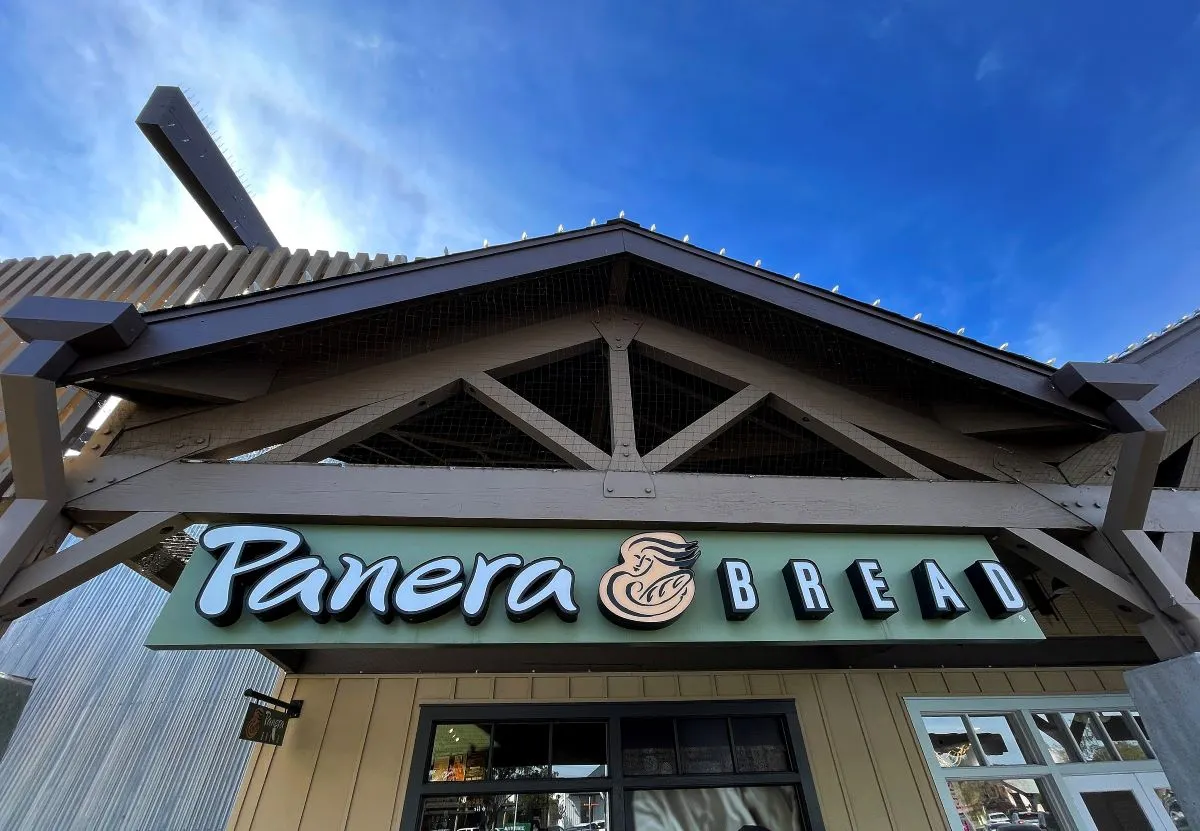
Panera Bread, another fast casual, saw a net increase of 28 company-owned locations in 2025, compared with a net increase of just one franchised location. The finer control offered by the company operating model may make it easier for the bakery-cafe chain to implement the various pieces of its turnaround program at its own stores, rather than in operator locations. In 2025, per its FDD, Panera’s company stores had an AUV of about $2.68 million, compared to $2.54 million at franchised locations.
Carl’s Jr. and Hardee’s saw a modest shift in the proportion of company-owned locations, though this was due to significant closures among their franchised units rather than increased growth.
Church’s Texas Chicken’s overall growth was fairly small, but was disproportionately concentrated in company locations. One-third of the chain’s 2025 growth came from company store additions despite its store base being only about 20% company operated. The chain is also pursuing a deliberate development strategy whereby it enters new markets with company units, planning to refranchise these locations once they build up brand awareness and establish solid unit economics.