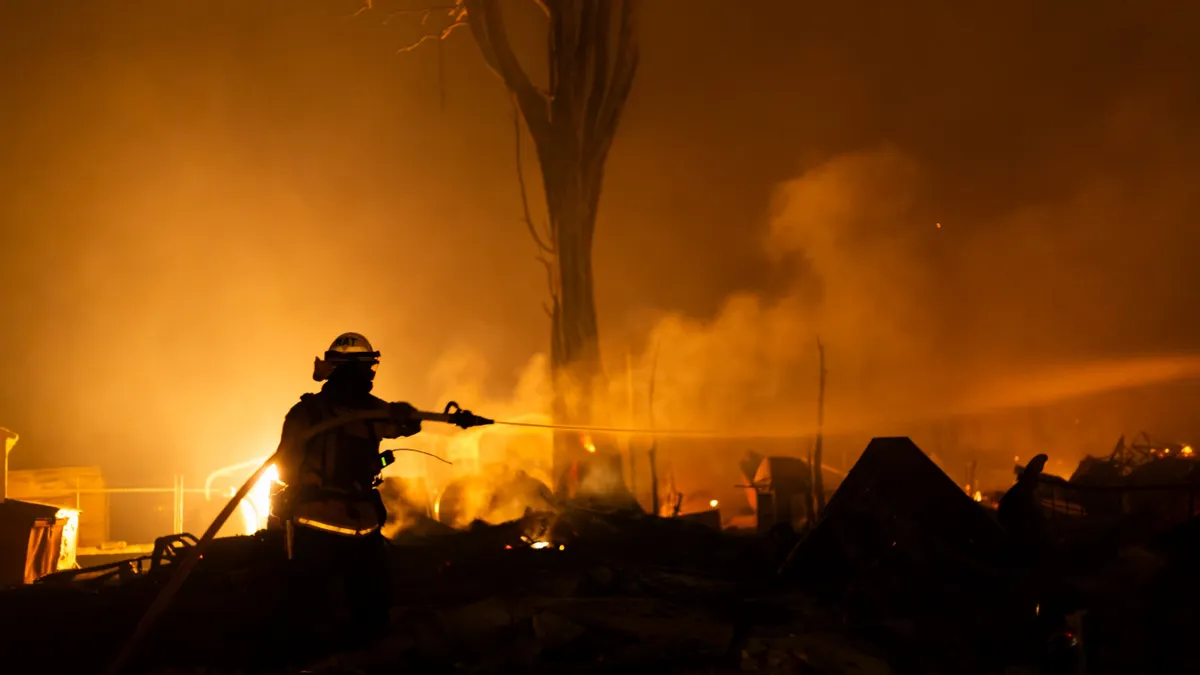

Wildfire is no longer a seasonal, regional threat. According to the National Interagency Fire Center's 2025 Wildland Fire Summary and Statistics Annual Report, in 2025, the U.S. recorded 77,850 wildfires — well above the 10-year average – and the risk map is expanding. Southern states from Virginia to Texas accounted for nearly half of all wildfires nationwide, and Eastern states saw the sharpest increases in both fires and acres burned compared to their 10-year averages, according to the National Interagency Fire Center. Nearly 500 commercial structures were destroyed last year alone.
As fire officials increasingly put it, we're having fire years, not fire seasons. For business owners, that means wildfire preparedness belongs in your risk management plan no matter where you operate. The steps that protect your property are far less expensive than recovering from a loss.
Understand your risk before you do anything else
Wildfire exposure varies dramatically by region, terrain, vegetation and fire history. Risk severity classifications — moderate, high or extreme — are typically based on fire history in the area, surrounding vegetation and landscaping, slope and other terrain features.
The USDA's Wildfire Risk to Communities tool lets you look up risk where you operate anywhere in the country. Knowing your classification helps you prioritize where to invest, and it's a conversation worth having with your local insurance agent, who can help you understand how your exposure and coverage line up.
Put a plan in writing
Preparedness starts on paper. Build wildfire-specific procedures into your business continuity plan: how you'll protect critical equipment and records, how operations continue or pause during an evacuation and what recovery looks like afterward. OSHA also recommends an emergency action plan that defines clear triggers, a chain of command and specific roles. When an evacuation order comes, no one should be wondering who makes the call.
Identify and maintain your defensible zones
FEMA defines defensible space as the area around a building where vegetation, debris and other combustible fuels have been treated, cleared or reduced to slow the spread of fire. The National Fire Protection Association recommends a defensible space of up to 200 feet from a structure, broken into three zones:
- Zone 1 (0–30 feet): Use gravel, rock or mulch instead of flammable ground cover. Relocate firewood piles. Plant high-moisture annuals and perennials. Keep the area around chimneys and vents clear.
- Zone 2 (30–100 feet): Remove dead vegetation. Trim hanging branches at least six feet off the ground and cut back tall grasses that could carry fire up into trees.
- Zone 3 (100+ feet, to the property line): Remove dead trees and plants, and keep trees spaced.
Ongoing upkeep matters as much as the initial work: mow regularly, clear vines and debris from exterior walls and maintain your lawn sprinkler schedule during dry stretches to keep vegetation hydrated rather than tinder-dry.
Examine and reassess building material
Embers, not walls of flame, ignite most structures during a wildfire. From your roof to your patio, materials matter.
- Roofing. Class A fire-rated roofing offers the most effective protection — options include clay, slate, fiber-reinforced concrete tile and metal. Just as important: keep roofs and gutters clear of pine needles, leaves and debris, and consider having a local fire marshal or roofing professional assess your roof.
- Windows and vents. Dual-pane windows with tempered glass hold up better against radiant heat and direct flame, and fire-resistant shutters add another layer of protection. Cover vents with noncombustible metal mesh screening (one-eighth inch minimum) to keep embers out of attics and crawl spaces.
- Patios, decks and porches. Never store flammable materials on or under decks. If you have a wood deck you're not ready to replace, consider treating it with an exterior fire retardant; if you're rebuilding, look into composite decking made with fire-retardant materials.
Enforce smoking controls
The National Park Service estimates nearly 85% of wildfires are caused by human activity, and a discarded cigarette on a dry day is all it takes. Provide receptacles in accessible areas, placed away from the building and combustible materials, empty them regularly and keep the grounds clear of butts.
Prepare your team to evacuate
Property can be rebuilt; your first priority is getting every employee, customer and visitor out safely. Identify multiple evacuation routes in case one is blocked, train employees on procedures before fire danger peaks and establish a system for accounting for everyone on site, including guests. Keep emergency supplies on hand: water, non-perishable food, flashlights and a battery-powered radio with local alerting. Sign up for local emergency alerts, monitor fire danger ratings during dry, windy stretches and act immediately when officials issue an evacuation order. Never attempt to fight a large fire yourself.
After the fire
If a wildfire does impact your business, wait for official clearance before returning. Document all damage thoroughly — photos, video and written notes — and update your asset inventory to support your insurance claim. Then revisit your continuity and emergency plans; the businesses that recover strongest turn every event into a better plan.
Wildfire risk is growing in places that never used to think about it. By investing in quality building materials, maintaining the landscape around your building and understanding the risk where you operate, you're taking control of the variables in your power — for a situation that can otherwise feel entirely out of it.
This information is provided as a convenience for informational purposes only. This information does not constitute legal or professional advice. It is provided to assist you in recognizing potential unsafe work problems or conditions and not to establish compliance with any law, rule or regulation.