
The heat is on, and it’s here to stay on menus across the country. You don’t have to go far to find gochujang-glazed chicken sandwiches, chili-crisp-coated fries, pizza drizzled with hot honey and pepper-spiked ranch spicing up classic dishes everywhere. In fact, spicy items are now featured on nearly 95% of restaurant menus, according to Datassential, appealing to the 65% of Americans who say they like or love spicy food. For operators, that demand represents an opportunity as well as a familiar challenge: how to deliver intriguing tastes without adding complexity to their operations.
“You’re seeing it from fine dining all the way to quick-service restaurants and everything in between,” says Chef Yury Krasilovsky, who is the culinary innovation manager at Good Foods Group. “Spice brings excitement, it brings flavor, it brings boldness and it brings a little bit of worldliness to any meal.”
But today, turning up the heat isn’t just about draping a burger with ghost peppers. Extreme spice may be attention-getting, says Krasilovsky, but it doesn’t necessarily drive repeat visits.
“The era of melt-your-face-off heat has gone away,” says Krasilovsky. “The average person does like spice and flavor, but they want it to be much more approachable. They want it to be something that's really well integrated into a menu item, versus something that's going to completely overpower and overtake the food.”
That shift has illuminated a sweet spot for restaurants of all types: the pursuit of mid-level heat with layers of spice and flavor.
Balancing Flavor and Heat
Balance is essential when it comes to fiery foods, Krasilovsky says. If a dish is too spicy, he says, it risks becoming polarizing. But when heat is integrated thoughtfully, it enhances the food, rather than overwhelms it. That’s one reason spicy-sweet combinations continue to resonate. Across the country, “swicy” offerings have gained traction on menus, like breakfast sandwiches and chicken tenders with hot honey, ice cream bars with chili seasoning and even soda with a kick.
Krasilovsky points to Good Foods Strawberry Habanero Sauce as an example of how restaurant operators, including those in quick-service businesses and convenience stores, can deliver flavor and versatility. The profile builds on familiar combinations, like mango and habanero, while offering a fresh twist. The sauce can be applied across the menu, from breakfast tacos to Korean-style chicken wings, and even in beverages, like strawberry habanero margaritas. “It’s something that can play across the menu and deliver that fresh, sweet heat,” he says.
Global Flavors Expand Opportunities
From burgers topped with Mexican street corn to sandwiches layered with Peruvian aji verde, spicy additions to everyday eats can feel like a sense of discovery. For consumers, spice offers a way to taste global cuisines without leaving their own neighborhoods. And for operators, it’s a way to add intrigue that attracts new diners.
“When you combine heat and unique flavor profiles, your menu becomes a lot more interesting,” says Krasilovsky. “That can bring in a whole new group of people and make your current customers more excited about new opportunities within your brand.”
The foods of some cultures, like the quintessential flavors of Korea, have already moved into the mainstream, while others will continue to emerge.
Krasilovsky predicts that in the not-so-distant future, operators will explore underrepresented cuisines, including seasonings of North African such as harissa, preserved lemon and warm spices. “There are so many flavor profiles that are underappreciated, and they could really invigorate menus,” he says.
The bottom line when it comes to spice: It offers a way to add excitement for new and existing customers, reinforces a sense of menu innovation and encourages repeat visits. All of this benefits the business — especially when incorporated with operational simplicity.
Ease Into Spicy Offerings With Sauces, Spreads and Dips
How operators incorporate new and different flavors is just as important as the spices themselves. Increasingly, heat is showing up in versatile formats, such as sauces, dips, spreads and drizzles, which can easily be added to current menu items and customized to taste. Prepared products can help restaurants deliver bold, new flavors with minimal prep.
“You’re able to have so many ingredients and so much flavor in one item,” says Krasilovsky. “Operationally, you just have to scoop and spread, versus adding a whole bunch of ingredients.”
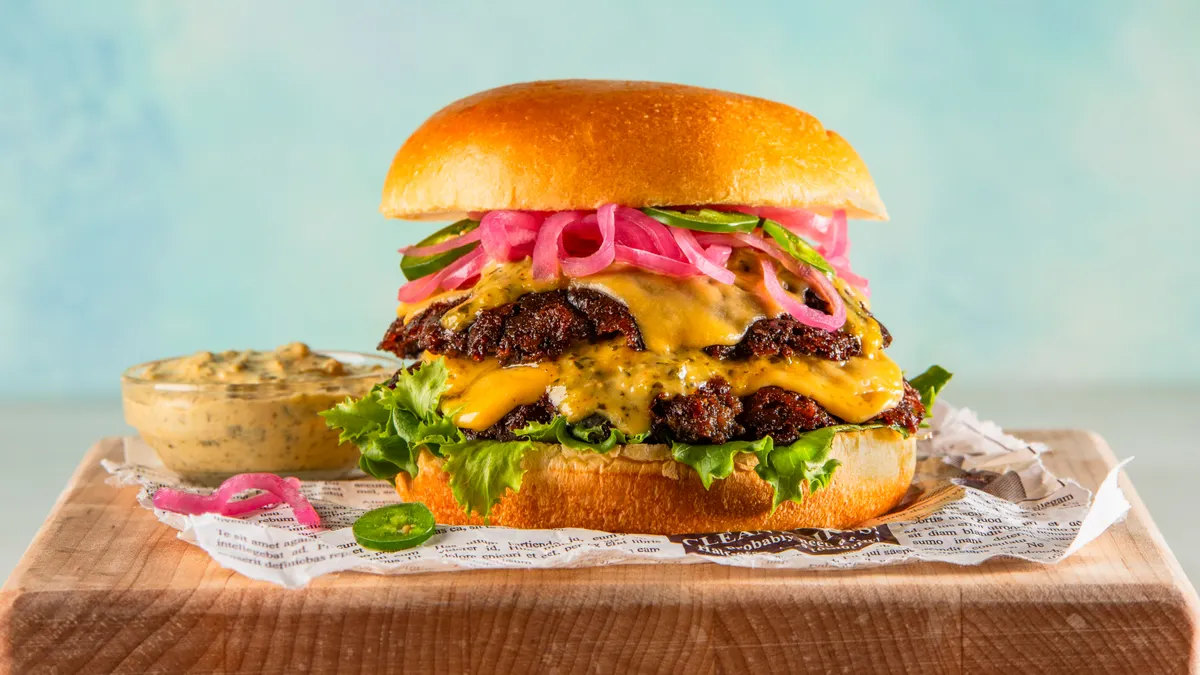
Take Mexican-Style Street Corn Spread, for example, which combines visible peppers, cilantro and corn into a single application, or Creamy Fire Chimichurri Sauce, with the flavor of a traditional, oil-based sauce in a creamy format. These can be added seamlessly to existing menu items, like tacos, flatbreads, burgers and chicken sandwiches, or offered on the side. With fresh, ready-to-use products, back-of-the-house teams can assemble orders quickly, while still serving up complex tastes and textures that excite customers.
Attract Diners and Test Flavors with Limited Time Offers
To understand what resonates, many brands offer spicy items as limited time offers (LTO).
“An LTO is the best way to experiment and see what your customer is looking for,” says Krasilovsky.
When operators try out new, spicy flavors in just a few locations, they can test social media messages, gauge demand, draw in new customers and potentially establish new permanent menu items, without taking on unnecessary risk. Plus, they learn more about the market they serve and what customers want, which could inform future offerings. “You need to have a foundation of information and you need to be constantly adapting,” says Krasilovsky.
As restaurants continue to spice up their menus to attract more customers, the key for operators will be striking a balance, both in flavor and ease of operations. Get it right, and the appetite for discovery will only grow.
To explore how operators are incorporating balanced heat and global flavors into their menus, visit Good Foods today.