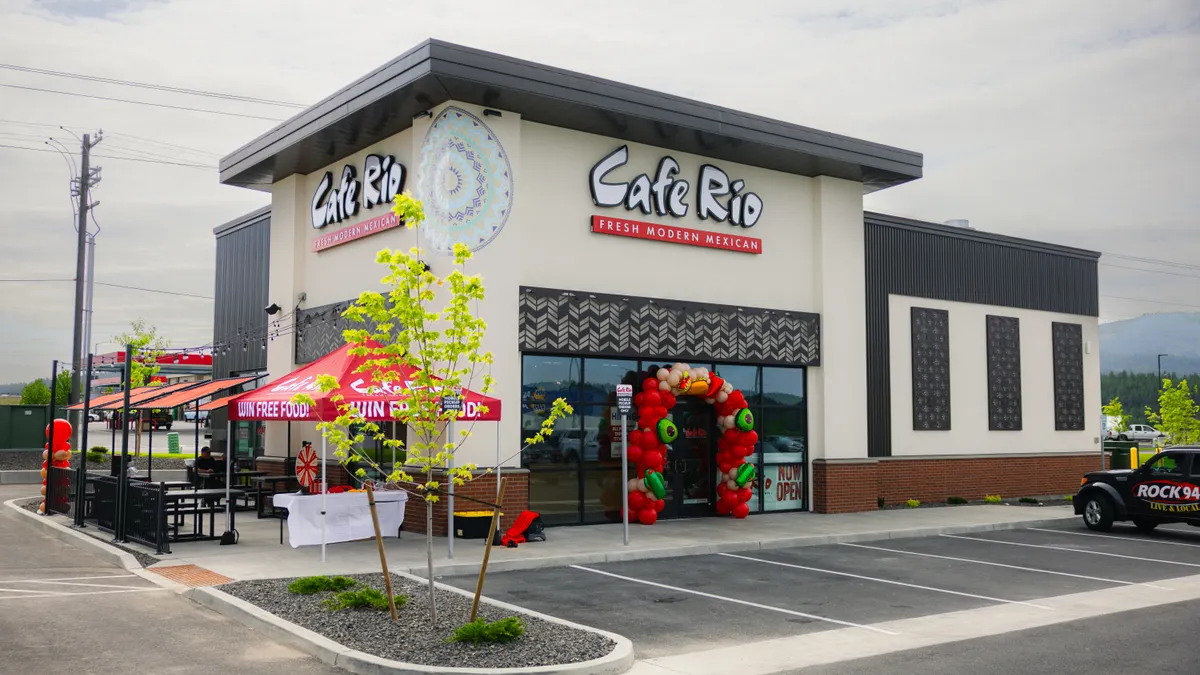
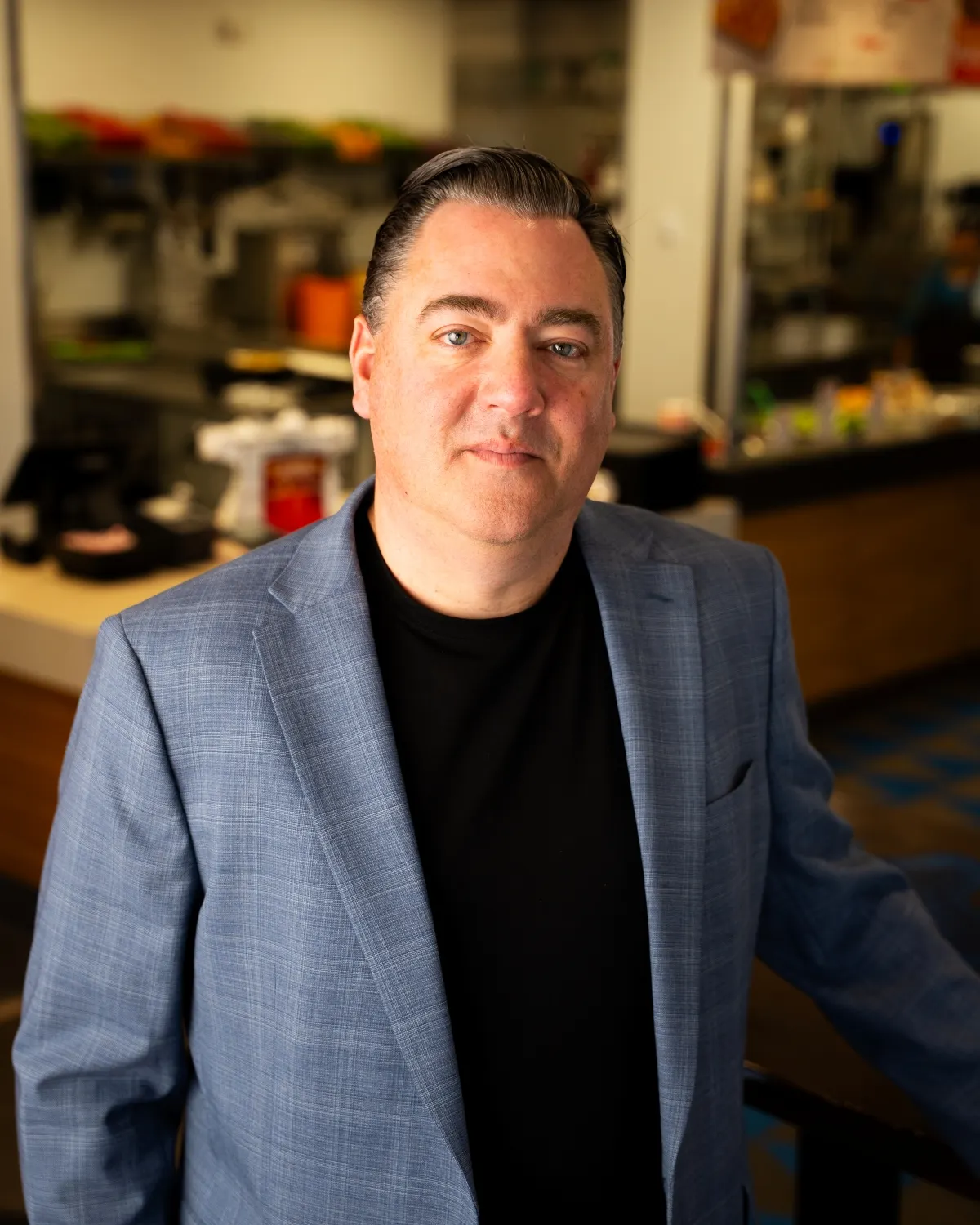
Mike Burns joined Cafe Rio as CEO on Cinco de Mayo, with an eye toward returning the restaurant chain to its roots.The roughly 150-unit fast casual chain had made a number of menu changes over the last several years that irritated some of its longtime fans.
“We have lost our way, the food has changed, service has gotten slower, our restaurants aren't as clean as they used to be,” Burns said.
Burns came to the fast casual chain following a stint as the CEO of Latitude Food Group, which owns &pizza and Tijuana Flats. Prior to the formation of Latitude last fall, Burns served as CEO at &pizza starting in November 2023.
Leveling up operations and flavors
Cafe Rio’s challenges — and consumer pushback over them — give the brand a chance to change its narrative. Complaints about changed menu items, including its Sweet Pork protein and Queso side, or lackluster experiences show consumers are still invested in the brand, which is a regional powerhouse in Utah with significant strength in nearby markets.
“If they stop talking, I'd be worried, but they're not. They're getting louder and louder, which means we can turn that around pretty fast,” Burns said.
A focus on operational basics and some menu changes could result in a rapid return to sales growth, Burns said.
“We just need to operate better. Our restaurants need to be cleaner. We need to be faster,” Burns said.
That back-to-basics focus will also apply to menu design; Burns hopes to return Cafe Rio to flavor profiles for which consumers are nostalgic.
Menu changes that start with reasonable business justifications — reducing cost-of-goods sold, simplifying back-of-house operations — can result in a brand losing its identity over time, if too many core items are changed too radically, Burns said.
Burns’ role as CEO is to reset the brand’s menu and bring back elements consumers mention missing.
“We've already reverted back to our original queso, we're looking at modifying our Sweet Pork, which is our top seller, to go back to our original recipe, along with a few of our salad dressings,” Burns said. “Twenty-five percent of our menu mix is salad, so we need to make sure we have the salad dressings right.”
But, Burns said, Cafe Rio has a strong operational base with long-tenured district managers. The chain’s newest district manager has been with the chain for eight years, and the chain has relatively low hourly turnover. This stable workforce combined with a managerial corps that’s familiar with the chain’s historical identity and performance, should help restore Cafe Rio’s historic brand identity.
Discounts and delivery are losing importance
Fast casual, faces intense competitive pressure from resurgent casual dining brands with strong value plays, like Chili’s, and from QSR competitors, Burns said. This environment makes it more important than ever for fast casual brands to develop distinct identities.
At Cafe Rio, same-store sales are down about 2.3% so far this year, Burns said, but that’s because the chain is lapping significant marketing spend on third-party delivery and aggressive discounting from 2025 that helped push traffic. But neither of those strategies, Burns said, are constructive in the long term for the brand.
“The restaurant space already spends enough money with DoorDash, Uber Eats and all these other guys. It doesn't make any sense for us to continue to pump cash into that area where the transactions aren't super profitable,” Burns said.
On the value side of the equation, Cafe Rio will use its extensive loyalty system — which accounts for upwards of 50% of its transactions — to try to engage customers through means other than discounting.
“We have to get those customers to order from us on a regular cadence without having to get reminders like a discount. So we want to remind them that we're here, we operate well, we’re fast and friendly. You’re not always going to get a discount, but you're going to get a great value and a great product,” Burns said.
The chain’s value strategy focuses primarily on large portion sizes and reasonable pricing.
Burns expects Cafe Rio to return to same-store sales growth thanks to operational improvements within the next several months. He wants Cafe Rio to turn the sales corner before it starts spending heavily on a new marketing strategy.
“Once we get our house right, we'll be able to kind of turn on the marketing process and really come up with really fun things to attract not only our existing customers but new customers,” Burns said.
Performance comes before growth
Burns said Cafe Rio wasn’t looking to jumpstart new unit growth. Instead, the restaurant is putting emphasis, again, on getting the basics right before making any significant changes.
“It's really not on our immediate horizon to grow in 2026 and 2027,” Burns said. “Twenty-eight is the year we're looking to come out of the box swinging with a strong pipeline.”
Once Cafe Rio begins to invest in growth, its emphasis will be on infilling markets where it already has a presence, especially in the Mountain West, in the foreseeable future.
“I can't see us necessarily going to states that we aren't in already,” Burns said.
The brand has locations in Utah, Arizona, Nevada, Colorado, Idaho, Montana and in the Washington, D.C., metro area.
Burns didn’t rule out franchising — &pizza shifted toward a franchised development model under his leadership— but he said it was not actively a part of Cafe Rio’s growth plans.
“You never say never. We're probably a few years away from that now,” Burns said. “That's really not on the list of 100 things that we're trying to tackle right now.”