This is the third installment of a three-part series on franchising in the restaurant industry.
Franchising has traditionally promised operators the benefits of entrepreneurship with mitigated risks under the umbrella of a national brand. This business model helped reshape America’s physical geography and political economy in the second half of the 20th century.
In recent years, however, power in the restaurant industry has shifted more toward major brands and large franchise operators — imperiling the historic value proposition within franchising, experts say.
Typically, franchised businesses have a slightly higher survival rate than independents, and operators “benefit from the established operating procedures, the brand recognition, the peer networks, marketing, and technology” of a franchisor, according to Kristy Hall, senior vice president, specialty franchise lending at Bank of America.
But small operators face a host of challenges: Development is more expensive, technology has reduced franchisee autonomy, and massive franchisees with multi-chain empires — sometimes rivaling the size of major chains — are more attractive to both lenders and franchisors.
Currently, about 19% of franchisees operate 60% of all units, Hall said, reflecting a gradual shift toward consolidation.
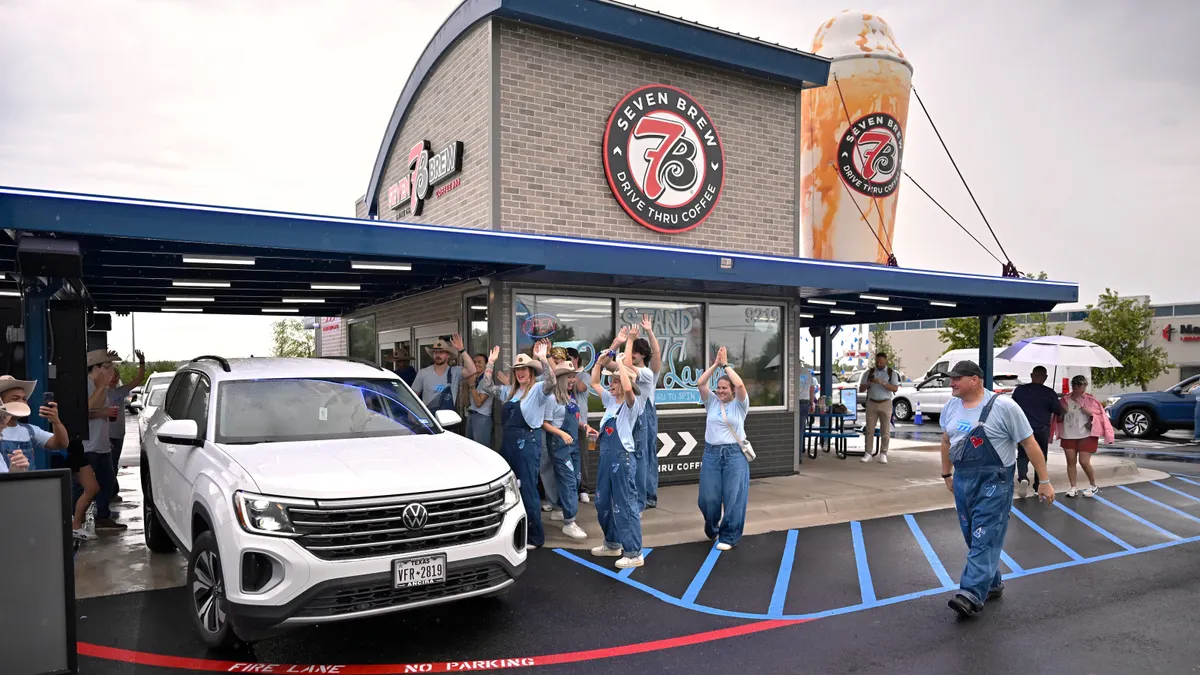
At the same time, performance among franchised chains is diverging, with winning brands growing faster than ever and ailing chains shuttering units and facing long-running sales slumps. Many fast-growing brands, like 7 Brew, rely on large, well-capitalized franchisees for their growth.
Restaurant Dive analyzed key development and performance metrics in the franchise disclosure documents of 30 of the largest privately held franchised restaurant chains. The top three fastest-growing chains in the dataset — Cinnabon, Dunkin’ and Chick-fil-A — accounted for 41% of net unit growth in 2025.
Meanwhile, the country’s largest brand by unit count, Subway, lost more than 729 units in a single year. Subway, long a bastion of the mom-and-pop business model, is now prioritizing multi-unit operators. Significant closures and transfers create opportunities for the big players to acquire more stores or scoop up and redevelop second-generation restaurant real estate. Other franchisors, like Arby’s, Sonic and Hardee’s, have closed dozens of locations.
Outside of this dataset, other chains struggled, too. Among publicly traded firms, Papa John’s closed hundreds of units, for example, as did Wendy’s. Other franchised brands, like Boston Market, have all but disappeared in recent years.
The concentration of strong performance in just a handful of brands and operators raise questions about franchising’s role in the American economy.
Independent businesses without independence?
Franchise contracts have generally become more restrictive in the past decade, limiting the autonomy and independence of small business owners, said Ulrich Atz, an assistant professor of accounting at Bocconi University in Milan, Italy. While legally a franchisee is distinct from a manager, that difference may not be apparent in high-control restaurant systems.
“Depending on your contract and franchise agreement, it may also feel like you're basically an employee,” Atz said.
The prevalence of noncompete clauses and other legal provisions granting franchisors significant control in franchise disclosure documents has increased in recent years, Atz, Steinbaum and other economists found in a recent paper.
“The degree of [franchisor] control has risen across basically every dimension,” Steinbaum said.
In the past, franchisors were unable to exercise granular control over day-to-day business decisions, Steinbaum said, because it was difficult or impossible to intervene remotely in retail businesses in a timely fashion. But this status quo has changed in recent years as technology has grown more interconnected and sophisticated.
Brian Callaci, an economist and campaign director with the Strategic Organizing Center, an organizing and research group affiliated with several major unions, said brands now have the degree of insight into daily operations necessary to translate increased contractual control into an operational reality.
“[Franchisors] have up to the minute, probably now even faster than that, information on what's going on at every restaurant, even at every cash register,” Callaci said.
This power over operations comes at a moment when consumers and workers are already likely to see a franchisee as a part of a brand rather than an independent entity, Atz said. Recruitment often happens through corporate-owned or corporate-branded websites, especially for smaller franchisees that lack internal HR systems.
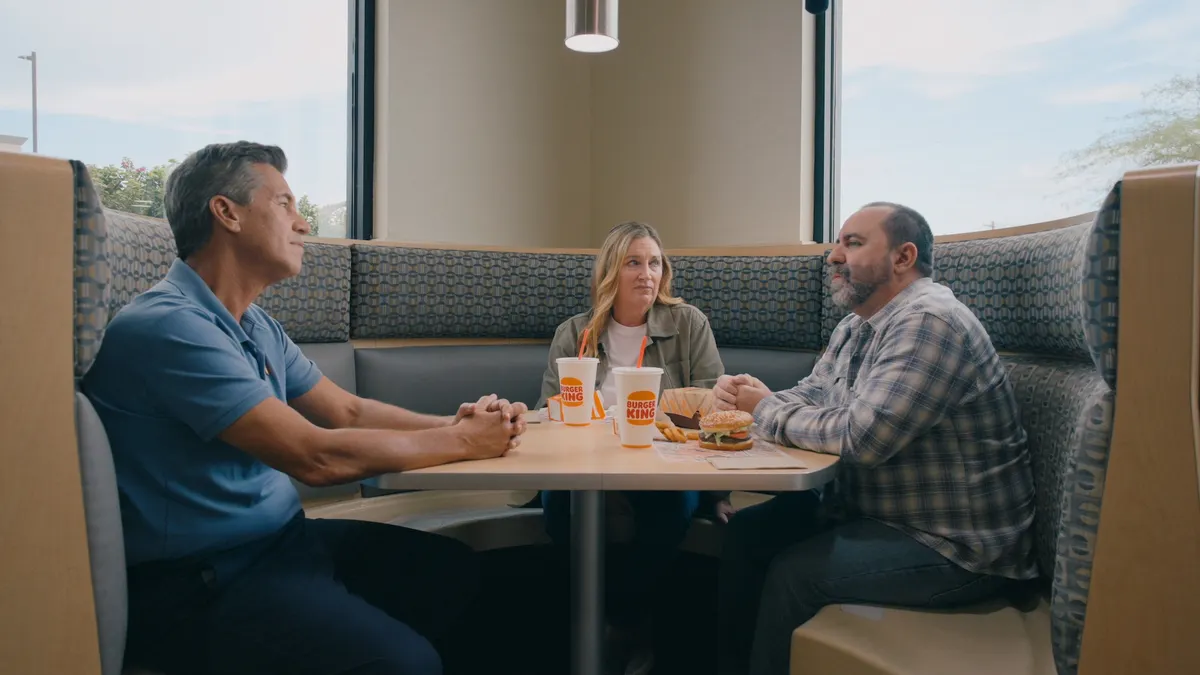
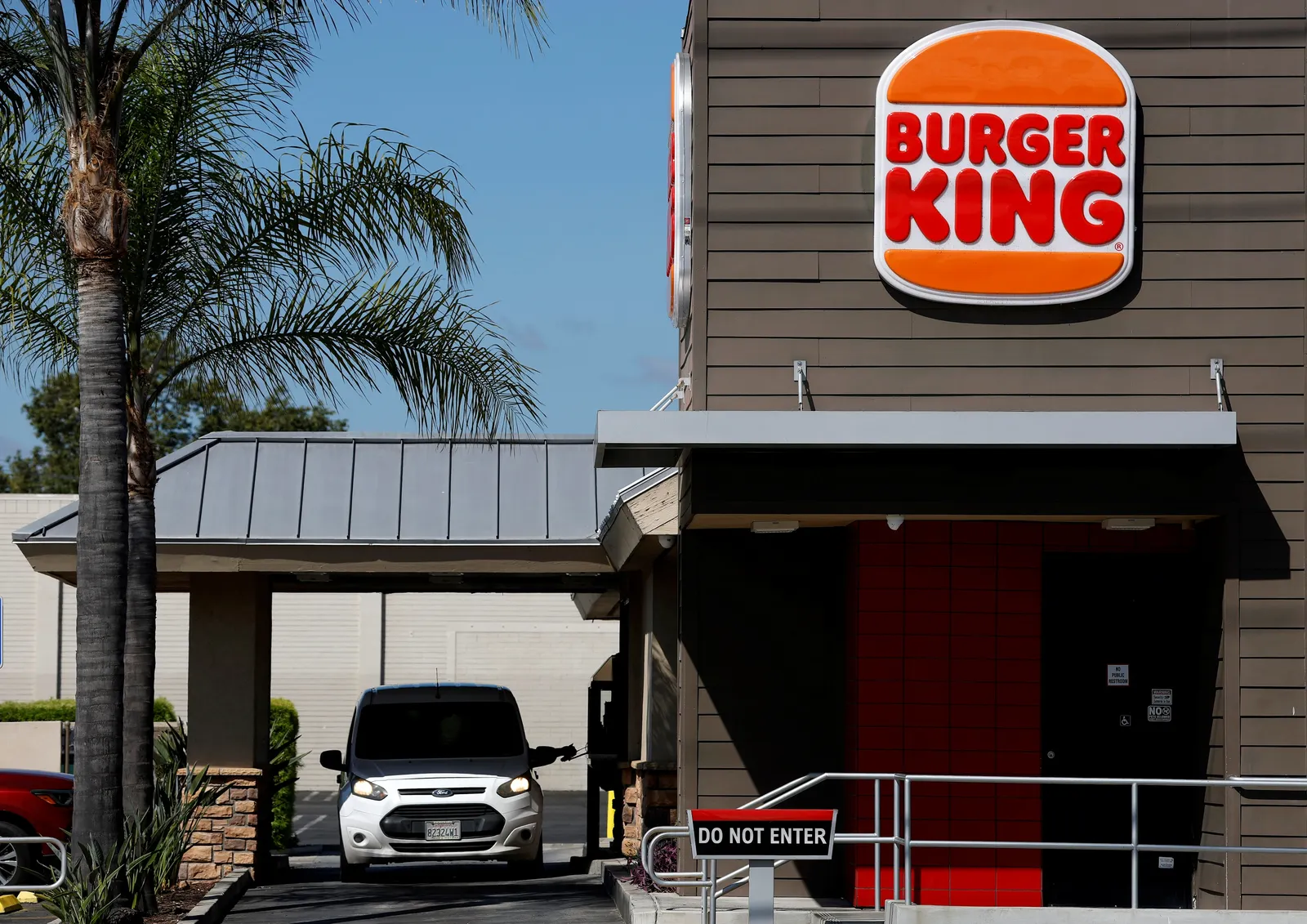
A franchisor’s ability to monitor and intervene in operations has progressed beyond simple point-of-sale monitoring. Chains themselves have been somewhat open about this: Burger King is in the process of deploying an OpenAI voice assistant called “Patty” that monitors drive-thru interactions and can offer “coaching” to workers.
Pizza Hut’s Dragontail AI system, which was meant to manage order flows, resulted in longer ticket times for at least one operator dependent on third-party delivery. Dragontail shifted significant control over a key ordering channel from the franchisee to the franchisor’s proprietary technology. Drivers waited for multiple orders and the operator lost the ability to exclude low-rated drivers from taking orders, according to a recent lawsuit by a franchisee.
“Now there's pretty much no daylight between an integrated corporation that owns all the stores and a franchise, just because that information richness and the timeliness of the information is so intense,” Callaci said. This reduces the autonomy available to franchisees, even if it increases their performance.
But franchisor intervention and new technologies aren’t necessarily a bad thing, according to Hall, and can be vital for brand strength in contemporary market conditions.
“Franchisors that embrace technology thoughtfully will be better positioned to support franchisees and meet evolving customer expectations,” Hall said.
Technology can also offer new ordering channels and ways for operators to collect customer data and refine offers, said Mark Wasilefsky, head of TD Bank’s restaurant franchise finance group.
Operational oversight or support can be an integral part of the model, Wasilefsky said.
“Franchising gives you a model, it gives you a supplier network, it gives you a marketing budget,” Wasilefsky said. “All these are things that especially newer operators probably wouldn't have the capability to do.”
The rise of the jumbo MUMBOs
The major beneficiaries of recent structural changes in the restaurant industry are not those individual operators. Rather, recent decades have seen the emergence of a new class of large, well-capitalized franchisees with store operations ranging from a few dozen to thousands of units across different brands.
“Many operators are using acquisitions to build the larger multi-unit and multi-brand portfolios. We refer to this as MUMBOs — multi-unit multi-brand ownership,” Hall said.
MUMBOs, Hall said, are more attractive to lenders because they have longer operating histories and typically higher revenue. A franchisee with one or two locations is limited by the historical trajectory of their home trade area, but an operator with dozens may be able to survive location-specific downturns.
As interest rates increased starting in 2022, it became more expensive for franchisees to take on debt to finance expansion or operations, said John Gordon, founder and principal of Pacific Management Consulting Group. Larger franchisees tend to have easier access to lending, Gordon said, which means higher interest rates have disproportionately impacted small operators.
Hall said that the ideal franchisee is no longer necessarily someone with deep restaurant industry expertise. Brands instead are likely looking for franchisees “with the leadership skills and understanding of the financial management,” Hall said.
If you want someone to open 50 stores for you, you got to find somebody who’s done that before and knows what they’re doing. The little guy gets blocked out of some of these really great opportunities.

Mark Wasilefsky
Head of TD Bank’s restaurant franchise finance group
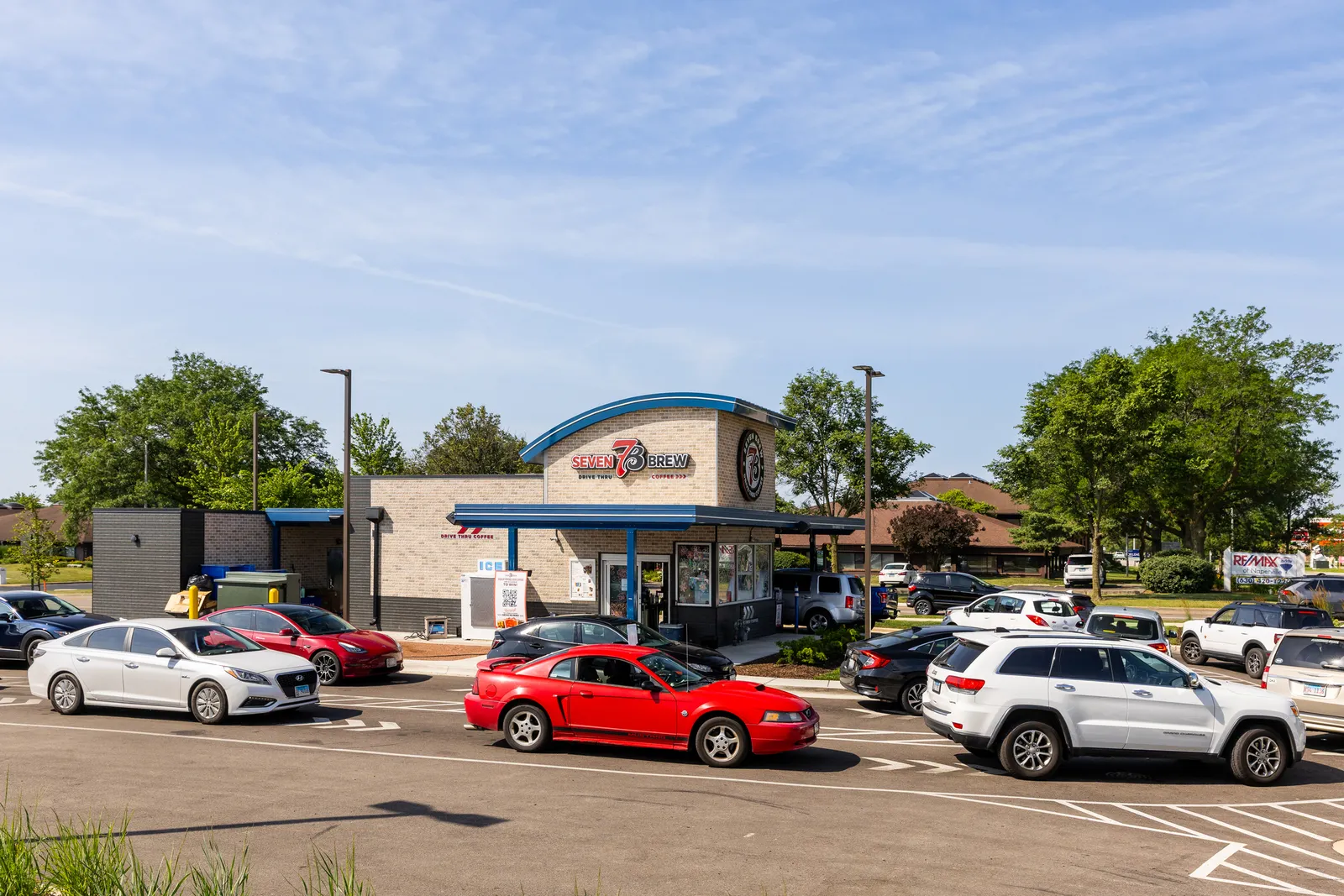
Callaci noted that there are several examples of brands, including Dunkin’, that previously depended on mom-and-pop operators making a conscious shift toward the MUMBOs over the past two decades. Subway is moving toward multi-unit operators while some of the fastest-growing brands in the country, like 7 Brew, are reliant on MUMBOs, including operators backed by private equity, to fuel their explosive growth.
Restaurant chains that are focused on growth may be more likely to prefer MUMBOs to mom-and-pops, Wasilefsky said.
“If you want someone to open 50 stores for you, you got to find somebody who's done that before and knows what they're doing,” Wasilefsky said. “The little guy gets blocked out of some of these really great opportunities.”
Small operators' ability to expand also tends to be strictly bound by exclusivity clauses — one of franchisors’ main methods of legal control — Steinbaum said. But multi-unit operators may be able to operate locations across chains, so long as those stores occupy separate menu niches.
Sun Holdings, for instance, operates more than 1,000 total restaurants, including more than 200 Arby’s locations, a similar number of Papa Johns units, and 100 stores each of Burger King, Applebee’s and Popeyes, according to its website. Flynn Group operates nearly 3,000 locations — more than the total store system of many national brands — across eight brands, including Wendy’s, Pizza Hut, Taco Bell and 7 Brew.
At the same time, large franchisees can pose a problem for franchisors by disrupting the assertion of control that makes one- and two-store operators less independent.
“[If] the franchisor wants to raise the royalty [rate], if they've got a bunch of five and 10 [unit operators], it's easier to do than if someone owns 400 of your 1,000 locations,” Wasilefsky said. And MUMBOs, despite all their advantages in corporate infrastructure, may lack a local touch in markets where that’s vital.
Additionally, the failure of a single large franchisee can result in major problems for a chain, as bankruptcy proceedings can lead to disputes over control and lengthy processes to shift ailing units under new ownership.
A declining value proposition?
The simultaneous erosion of franchisee control and the strength of the jumbo MUMBOs reflect a market where virtually everything has gotten more difficult for small operators.
“There is no doubt that franchisees almost everywhere are weaker,” Gordon said. “The last 'good year' that restaurant franchisees had was probably 2022.” Since then, increases in the costs of borrowing, coupled with greater price sensitivity among consumers and falling traffic, have all hurt franchisees.
But these impacts have been unevenly distributed, Gordon said. Lenders now see the restaurant industry divided into three tiers. Operators of strong brands in the “A tier” have little trouble accessing capital, while brands that are doing okay but not well are classed as “B tier" debtors, Gordon said.
The problem is the “C tier,” which he said includes struggling chains like Jack in the Box and Pizza Hut, where operators can only access capital at exorbitant interest rates.
Franchisees also need to have deeper pockets than in years past, as development is harder now than before the COVID-19 pandemic, Hall said.
“The quality of real estate has become more challenging for restaurant brands. New construction is expensive. Development timelines are longer, and in many markets, it's harder to make the economics work for ground-up projects,” Hall said.
Gordon predicted that the gap between high performers and low performers — both among brands and operators — will only get worse.
“If you're not doing $1.5 million, $1.6 million or $1.7 million per store, then you’re not going to generate enough funds in order to remodel, or to recapitalize, or to buy new equipment or [a] new POS system, or whatever it is that corporate will mandate,” Gordon said.
Sales stagnation like that seen in the pizza sector or at Wendy’s or at CKE can lead to a vicious cycle, Gordon said. Operators have to cut back on development, maintenance and other expensive, but not immediately vital, aspects of the business, undermining its long-term health.
“Some of them will make it okay because of their own skills or because of the brand that they're in,” Gordon said. However, “the number of small franchisees will continue to decline.”
Hall predicted that the industry’s consolidation would continue, with the MUMBOs acquiring more units as older single-unit operators exit the market.