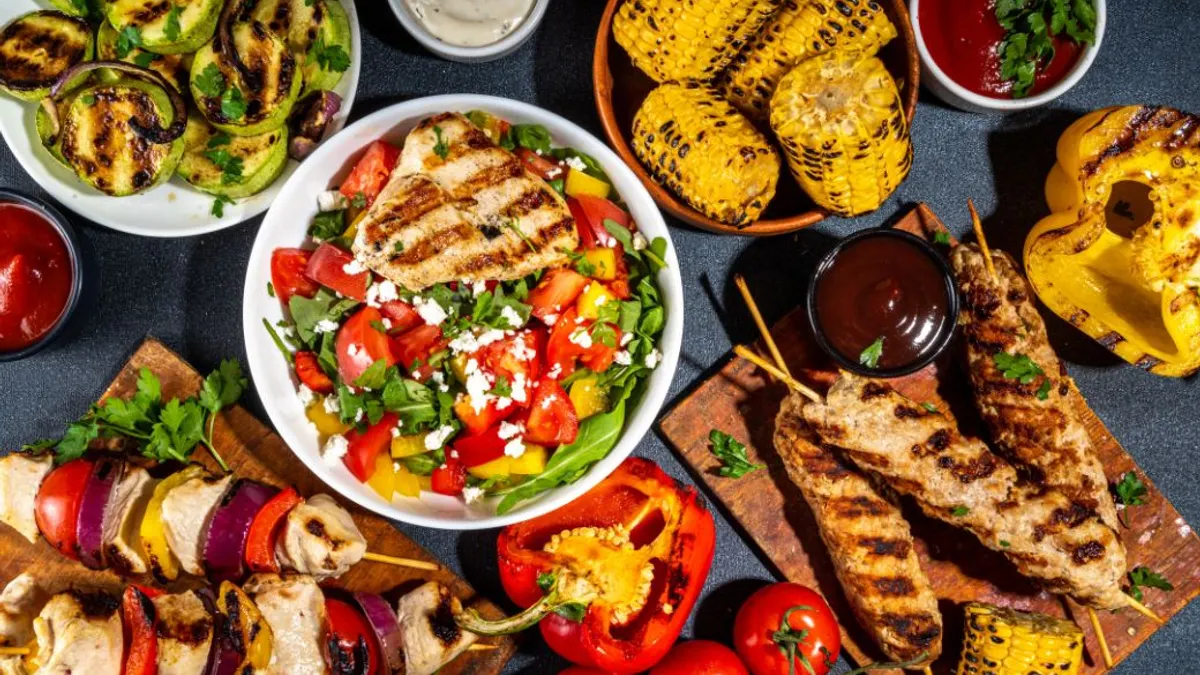

Grilling has always held a prime spot on American menus, but consumer expectations are shifting. A major trend is taking hold as fast-fire, glazed Asian BBQ traditions merge with classic “low and slow” American styles. At the center of this evolution is the sauce, providing the foundational umami that bridges regional techniques and modern menu demands.
Here is how foodservice operators can leverage the techniques, flavor trends, and menu data shaping grilling today.
The Evolution: "The Marathon" Meets "The Sprint"
Understanding the operational differences between these two grilling methodologies allows kitchens to maximize labor, speed of service, and flavor payoff:
- American BBQ ("The Marathon"): Relies on indirect heat, large primal cuts, and long smoking cycles over hardwood to break down collagen and fiber.
- Asian BBQ ("The Sprint"): Focuses on direct, intense heat - traditionally over binchotan charcoal - using smaller, bite-sized cuts. This yields a rapid Maillard reaction (surface caramelization), delivering an immediate flavor payoff in a fraction of the time.
Why it matters for operators: Incorporating "Sprint" methods gives high-volume kitchens a way to deliver deep, smoky character without the long lead times or high real estate required by traditional smoking equipment.
Regional Glaze & Technique Breakdown
Asian BBQ isn't a monolith; it spans a diverse range of regional profiles that rely heavily on soy sauce and umami bases:
- Japanese Yakiniku: High-heat searing of premium cuts, finished with umami-packed tare dipping sauce.
- Korean Gogi-gui: Marinated and unmarinated meats grilled rapidly and paired with savory pastes (ssamjang) and fresh banchan.
- Chinese Char Siu: A rich, glossy marinade of hoisin, five-spice, and soy sauce that caramelizes under intense heat.
- Filipino BBQ: Skewered proteins basted in a sweet-tangy glaze of soy sauce, garlic, and banana ketchup.
3 High-Growth Flavor Trends Shaping Menus
Data indicates that fusion glazes and regional profile crossovers are driving guest interest:
- Hybrid BBQ Glazes: Blending traditional American sweet/smoky bases with Asian fermented pastes or soy foundations creates an approachable entry point for diners.
- Emerging Sweet-Heat Profiles: While teriyaki remains an anchor on chicken and wing menus, glazes incorporating tamarind, hot honey, or fruit-forward heat are growing rapidly.
- Cross-Category Proteins: Operators are applying high-heat glaze techniques beyond pork and chicken - moving toward lamb, game, and high-margin skewers.
5 Trend-Forward Recipes for Foodservice Menus
To see how these techniques translate to kitchen execution, explore these signature Kikkoman recipes built for high-volume service:
- Blackberry Tamarind Char Siu Pork Ribs - A true hybrid: slow-roasted ribs finished under direct heat with a vibrant glaze made from Kikkoman® Teriyaki Marinade & Sauce and Soy Sauce.
- Chicken Satay - The ultimate "Sprint" technique. Skewered chicken marinated in Kikkoman® Gluten-Free Tamari Soy Sauce and Poke Sauce cooks in minutes for quick ticket times.
- Chicken Wings with Orange Kimchi Sauce - Takes a classic menu engine and updates it with an emerging Korean-inspired flavor profile using Kikkoman® Tamari Soy Sauce, Orange Sauce, and Oyster-Flavored Sauce.
- Grilled Black Pepper Lamb with Jaew Sauce - High-heat lamb chops paired with a fiery, tamarind-forward dipping sauce built on Kikkoman® Thai Style Chili Sauce and Soy Sauce.
- Lamb Boti Kabab Roll - Demonstrates how Kikkoman® Soy Sauce and Sushi (Unagi) Sauce create depth in Indian-inspired street food concepts.
The Bottom Line
Whether your kitchen relies on pit smokers, open-flame grills, or flat-tops, standing out requires bold, high-performing sauce foundations. Combining direct-heat efficiency with Kikkoman’s versatile lineup gives operators the speed, operational flexibility, and signature flavor distinction today's dynamic menus demand.
Ready to elevate your menu? Request free product samples or explore operator-tested recipes, back-of-house insights, and menuing guides at the Kikkoman Foodservice Resource Center.