Over a year after it dropped Ripple Fries from its menu, and after several quarters of same-store sales declines, Sweetgreen may have found its silver bullet.
Sweetgreen’s wraps, which launched in May, positively impacted second-quarter comparable sales, President and CEO Jonathan Neman said during an August earnings call. During that period, transactions improved by 500 basis points, he said. Same-store sales fell 6.2% during the second quarter, but that was an improvement from a 7.6% decline in the first quarter of 2026.
Wraps are part of the chain’s Sweet Growth Transformation Plan, which it unveiled earlier this year. The plan focuses on operational improvements, food quality, customer experience and brand relevance.
Sweetgreen took a methodical approach to menu development with wraps, engaged social media influencers to help promote the menu item and updated its rewards program to include rewards specifically for wraps.
“One of the things that we’re really focused on is modernizing the brand for the next generation,” said Zipporah Allen, Sweetgreen’s chief commercial officer.
During the last few months, one out of five orders at Sweetgreen have included a wrap, Allen said, adding that the wraps have also seen strong repeat visit rates.
The portability and price point of the menu item — wraps average around $12.50 — also contributed to the growing popularity of wraps, which is helping open a bigger swath of diners for lunch, snacking and dinner for Sweetgreen, she added.
Attracting younger generations
Transactions from Gen Z overall have been outpacing order growth by two times, compared to other generations, Allen said.
“What that tells us is that younger generations are really resonating with both the brand and how we’re bringing products to market,” Allen said.
To get the word out on wraps, Sweetgreen undertook its first major social media campaign, partnering with hundreds of creators to access many different demographics and subcommunities, Allen said.
The chain invited the creators to try the wraps and provide an honest review of them. For example, TikToker Taryn Delanie Smith, had a video where she was talking in her car, but eating a Sweetgreen wrap. That led to several comments about the wraps and customer interest, Allen said.
“We're experimenting with different places to make sure that we are meeting this next generation of consumers where they are and how they consume media,” Allen said.
While Sweetgreen has been targeting Gen Z, it hasn’t lost its focus on millennials, Allen said. Millennials came of age around the time Sweetgreen was established, so that generation has a built-in habit to go to Sweetgreen for workday lunches, which was the chain’s bread and butter from the beginning, Allen said. Since then, the chain has expanded what Sweetgreen can mean with the addition of plates and meals for kids.
“[With] wraps, what we’re seeing is that they are applicable and appealing to every generation that shops at Sweetgreen,” Allen said. “When you think about convenience and on-the-go, that is a universal occasion that we can appeal to.”
Creating an ideal wrap
To develop a popular menu item, the fast casual chain focused on making a tortilla that met its food ethos of quality ingredients. Its tortilla only contains water, salt, olive oil and flour, Allen said.
The wraps also needed to work with restaurant operations, and Sweetgreen has carefully monitored the impact the wraps have on throughput, Allen said.
The chain first aligned its principles on what the wrap experience should be like to ensure that the first bite was the best.
The chain did an “operations shakedown” at a restaurant in La Brea, California as a way to experiment with execution. It shut that restaurant down for a half day and ran various tests at the restaurant, such as determining if the wrap should have ingredients filled along the makeline or if the ingredients should be mixed first and then put into the wrap at the end of the makeline.
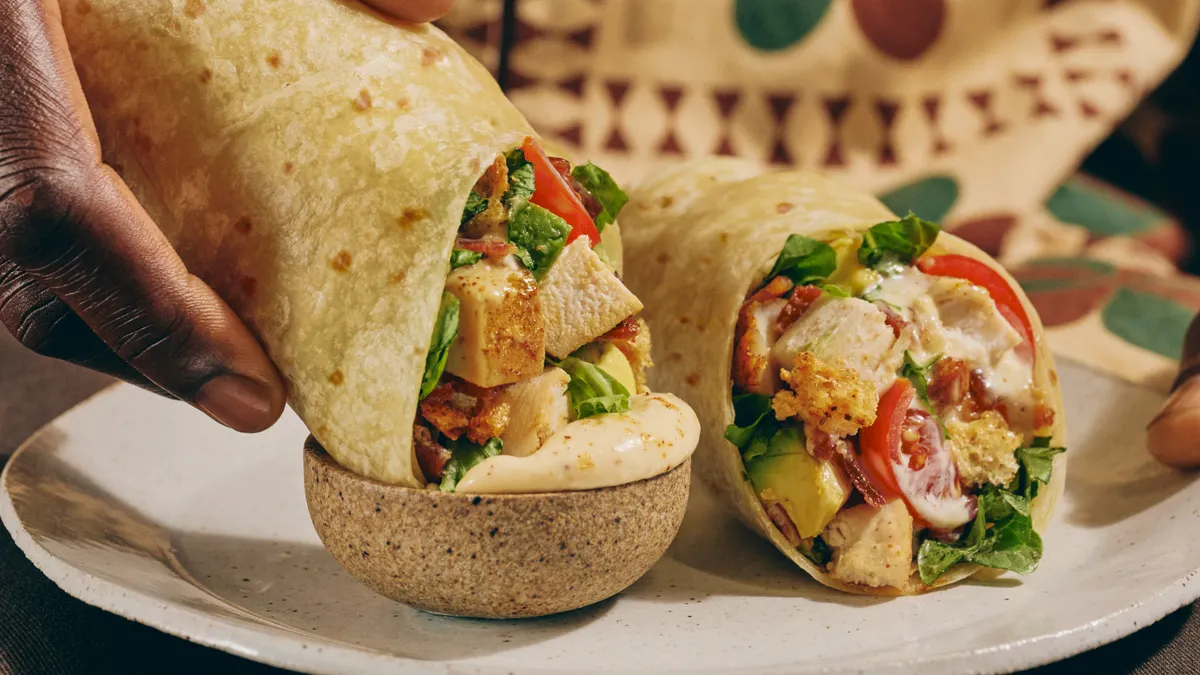
Whether the wraps should be cut was also a “big decision,” Allen said, adding that the chain decided to cut the wraps in the middle, so consumers first bites would include all the ingredients, avoiding a potentially tortilla-heavy start to the experience.
Following the operations shakedown, Sweetgreen moved onto broader operational testing at roughly eight restaurants in Los Angeles. During this period of testing, Sweetgreen ran models, execution and operational procedures to understand the impact of the wraps on metrics, like throughput, Allen said.
The next phase was market tests. The chain brought its wraps to 68 stores in New York, the Midwest and Los Angeles stores in February for a few months, before it launched the wraps nationwide in May.
This testing process is part of the chain’s stage gate procedures that it implemented a little over a year ago — around the time it axed the popular, but complex Ripple Fries — to make sure that innovation “not only meets what customers want in the brand, [but also]. … making sure that we can execute the menu items really strongly in restaurants,” Allen said.
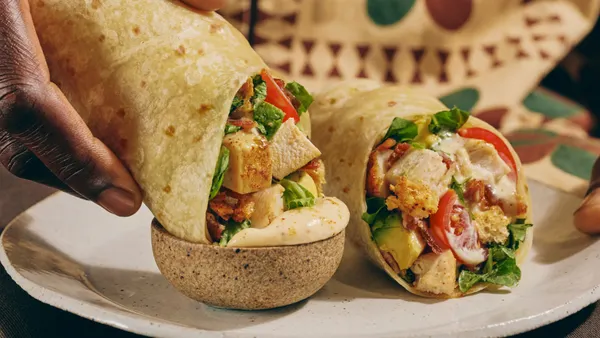
The chain launched three wrap flavors: Classic Chicken Caesar, Chicken Jalapeno Ranch and Cali Chicken Club, with an additional limited-only wrap that varies by season. Customers still want to customize their wraps, so just about everything on the menu can be put in a wrap, Allen said.
During tests, Sweetgreen found that customers wanted to put salmon in the wraps, which management originally thought wouldn’t work since salmon filets are a single muscle and customers might not want that broken up and folded into a wrap.
“We said let’s allow it to be customized and see how the consumer response is and the consumer response has been really positive,” she said.
Customers have been asking how they can convert various bowls or plates into wrap form, and Sweetgreen has figured out how to do that. When diners order a Harvest Bowl, they can ask for a tortilla on the side and then wrap up a portion of the bowl’s content and save the rest in a side container, Allen said.
Digital upgrades
Sweetgreen also updated its rewards program to include points for redemption for wraps and introduced rewards like $3 or $5 credits that allow more flexibility and personalization, Allen said. The chain’s rewards program also continues to grow, and members spend almost three times more than non-members, and visit at a more frequent rate, she added.
“We see rewards as a huge growth opportunity for us — a way to not just be transactional with our customers, … but you’ll see us start to move more into lifestyle, this type of community feel that is so central to the brand,” Allen said, adding that these updates will start to show up next year.
Sweetgreen updated its app in late summer to provide a more customized experience. Guests can also order or reorder their favorites with one click, she added.
More menu innovation in the works
Sweetgreen is keeping a close eye on various trends with menu components like fiber, protein and beverages.
“It really comes down to what’s not just trendy, but what is that sweet spot that really syncs with our food ethos and distinctiveness as a brand, which is that farm-sourced, high-quality ingredients that are freshly prepared in restaurants, and how does that mix with where the consumer is going,” Allen said.
Sweetgreen is also testing a house-made beverage program in 100 restaurants, as drinks ate a growing category with Gen Z consumers, Allen said.
The chain is planning out some menu ideas related to protein for the rest of the year as well, she said. Sweetgreen is starting to highlight fiber ingredients on its app to make nutritional content more transparent for guests when they order.
“We’re still in the middle of executing our Sweet Growth Transformation Plan, and when I look at the menu and our innovation, it really is centered around this idea of deepening our relationship with our existing customers, and then leveraging our menu to attract new customers,” Allen said. “So we're really excited about the pipeline that's coming up. We've got some fun stuff for the back half of the year and into 2027.”