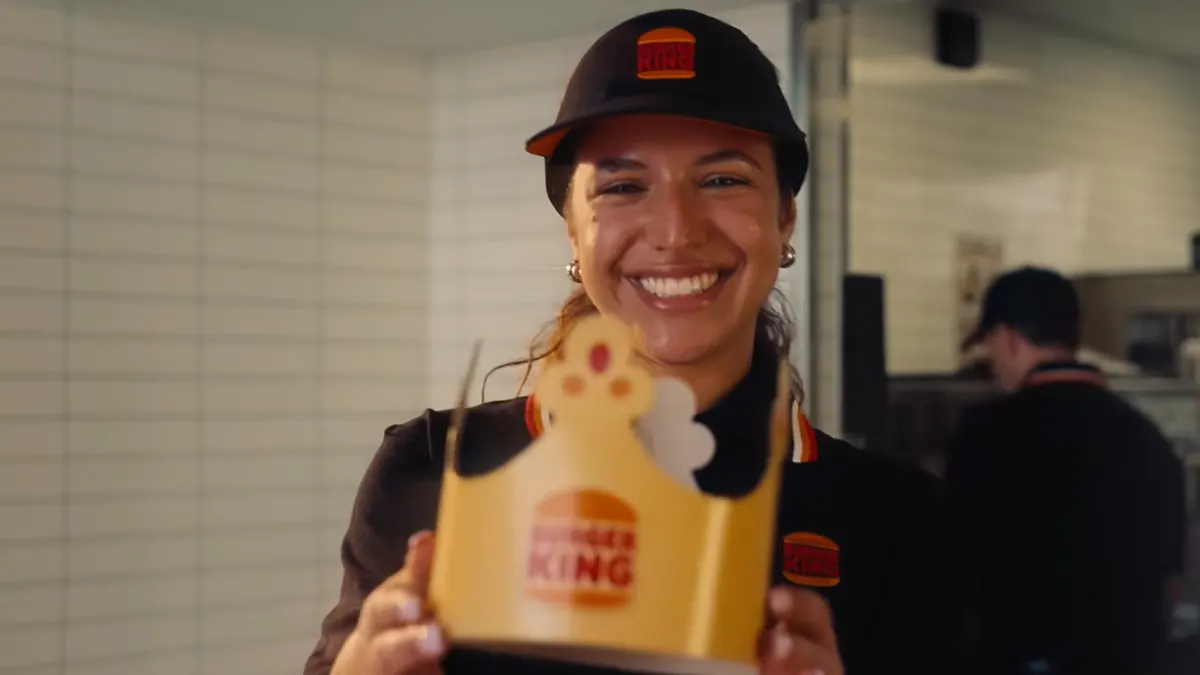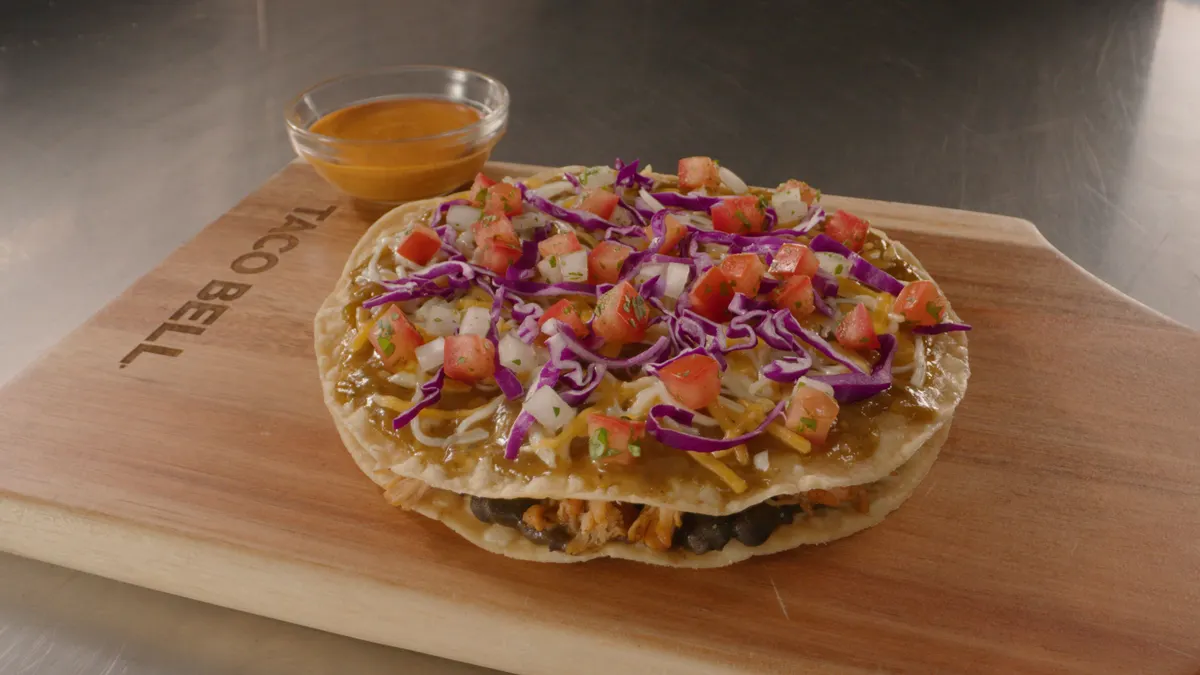
For all the talk of the K-shaped recovery, the casual dining renaissance and the erosion of QSR’s pricing advantage, the end of 2025 saw strong performances from many QSR brands. McDonald’s, Taco Bell and Domino’s all extended their leads over competitors with strong sales quarters powered by value plays and new menu items. Starbucks also recovered its traffic momentum, and its ongoing turnaround has clearly entered a new phase.
But, with the exception of Sweetgreen, which had its worst-ever quarter as a publicly traded firm, many of the underperformers were other QSR chains. Pizza Hut, Papa Johns, and especially Wendy’s, felt the pinch as consumers pulled back and rivals pulled ahead.
Previous iterations of Restaurant Dive’s quarterly roundups of earnings winners and losers have sought to balance between segments. But in Q4 2025, the big stories were nearly all in the QSR sector. Casual dining had a good, not great quarter: First Watch’s sales and unit count were up. Applebee’s saw a slight decline, and IHOP a slight increase. Outback’s traffic rose, but sales were down due to shifting mix and smaller tickers. Texas Roadhouse posted solid results. Chili’s, lapping absurd growth, saw its same-store sales growth moderate, but remain robust.
Fast casual, meanwhile, had a bad, but not terrible quarter. Cava’s traffic slipped; Chipotle returned to same-store sales declines; Wingstop’s sales slide worsened, but was offset by storecount growth; and Shake Shack continued a run of solid, but unremarkable gains.
In short, the metanarratives of these segments did not change in the last months of Q4, necessitating a closer look at the sales bloodbaths and value blitzes in QSR.
Winners
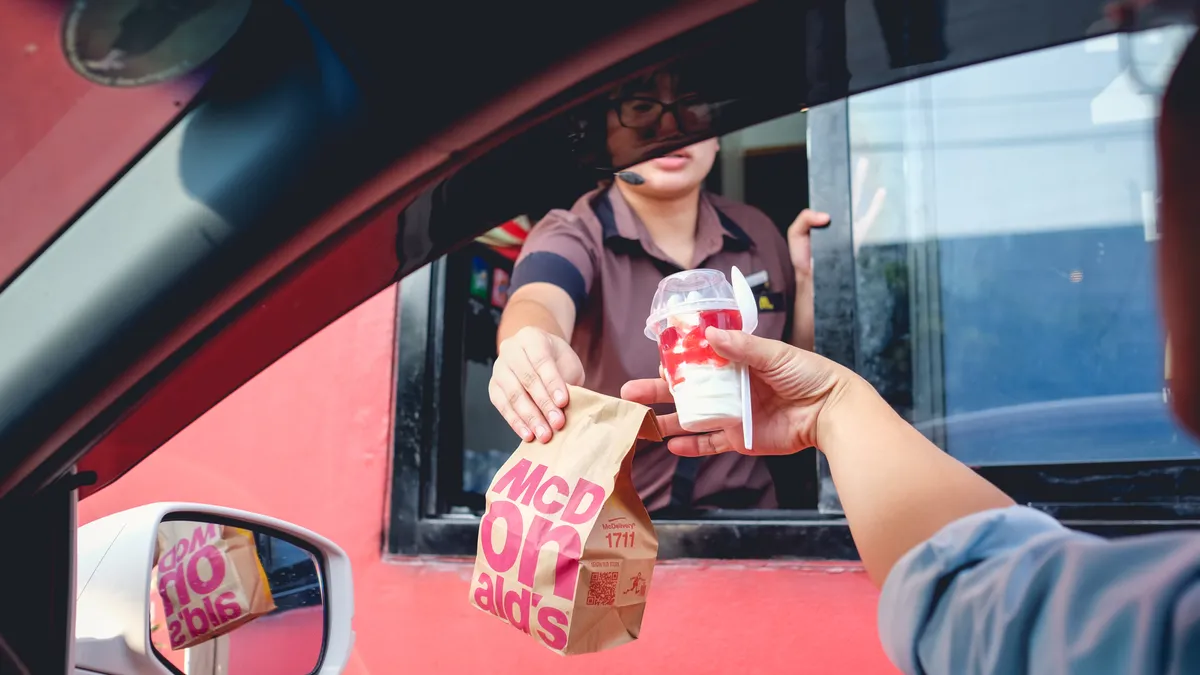
McDonald’s
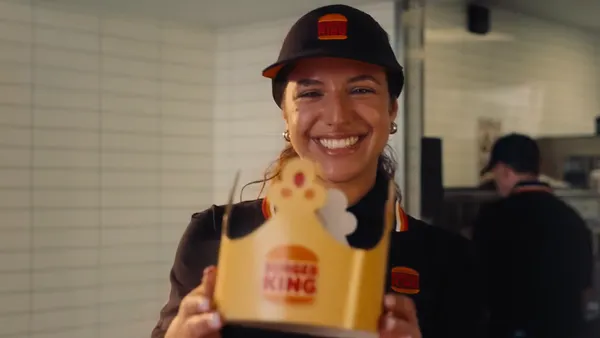
Q4 was the Golden Arches’ strongest quarter in 2025, with 6.8% same-store sales growth. Much of that growth came as a result of cuts to core menu prices. In September, the chain revived the Extra Value Meal category, with eight different meals discounted 15% relative to ordering component items individually. The key motivation behind that was to avoid sticker shock and get a number of combo meals to price points below $10, CEO Chris Kempczinski said in a previous earnings call. QSRs have faced intense pressure from value meals offered by casual dining chains, like Chili’s $10.99 3-for-Me meals.
McDonald’s EVMs seem to have alleviated some of that pressure, as sales growth accelerated from Q2 to Q3 and on into Q4.
“We'll measure success of our EVM program in two ways: through our ability to gain share of low-income traffic; and by improving value and affordability experience scores,” Kempczinski said on the chain’s Q4 earnings call. “We gained share with low-income consumers in December, and we've seen a meaningful increase in our value and affordability scores.”
This share gain was also powered by strong marketing plays, like the return of McDonald’s Monopoly promotion, and momentum from menu innovation, like the addition of McCrispy Chicken Strips, last year. With a newer, bigger burger — the Big Arch Burger — and seasonal LTOs like the Shamrock Shake, McDonald’s could sustain this sales momentum into Q1 2026.
Starbucks
Starbucks seemed dead in the water when CEO Brian Niccol took the helm. Compounding quarters of traffic loss, consumer price sensitivity, operational problems with mobile order sequencing and high-profile product launch flops — remember the Oleato platform? — have taken a toll on the world’s largest coffee chain.
While many of these problems persist, in some form or another, Starbucks managed to turn the corner on its traffic and sales declines in Q4 with a 3% traffic spike and 4% same-store sales bump. This was lower than the sales growth experienced by competitors Dutch Bros and Black Rock, but the scale of Starbucks’ system and the depth of its troubles in recent years make this recovery impressive.
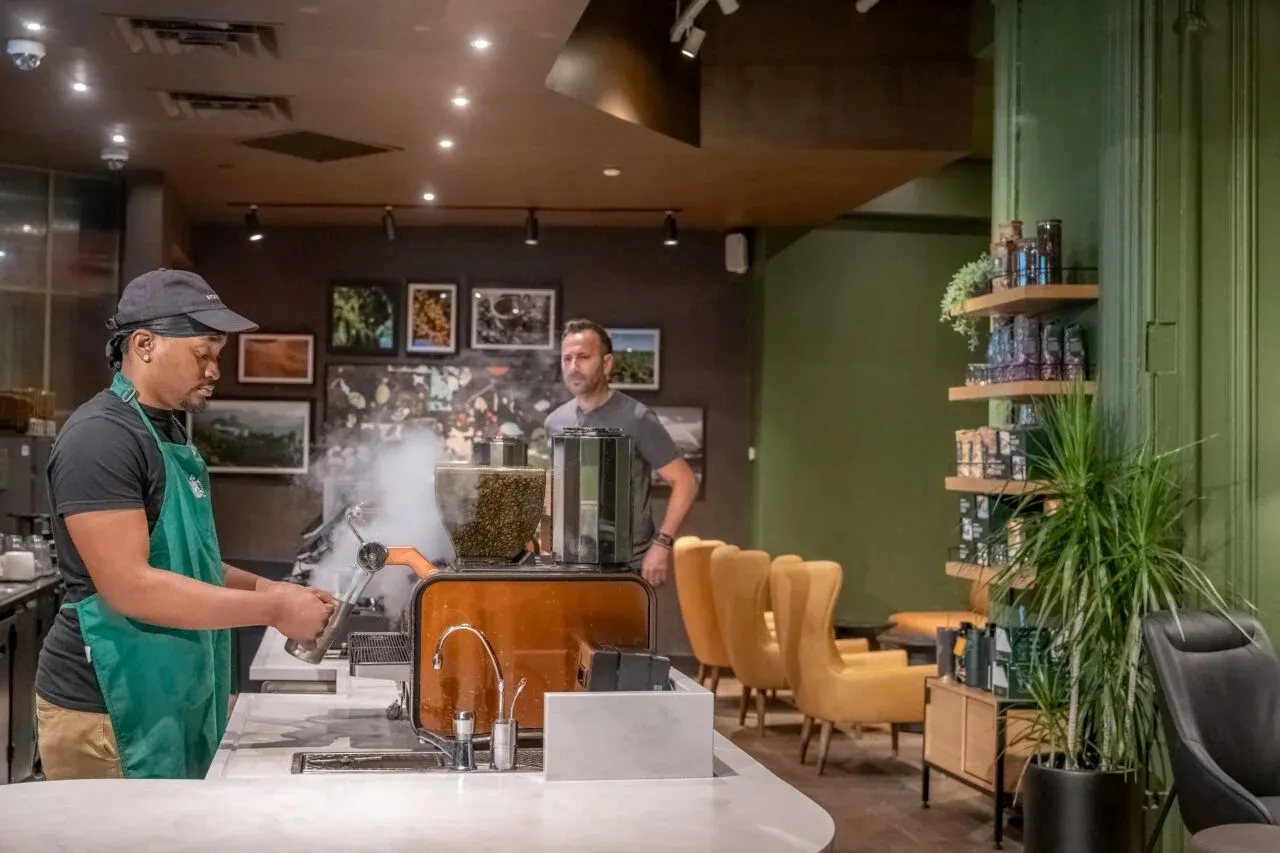
But recovery is also expensive. Starbucks is spending $150 million to upgrade less than 10% of its U.S. store base by the end of this year and $500 million investment in hourly labor announced in July, in addition to the adoption of a new service model and increased hiring of managers and assistant managers.
Then there are the menu changes. Protein drinks and new snack foods fill the gaps left by the chain’s 30% reduction in SKUs last year, while seasonal menu items have become important drivers of trial. Premium coffee drinks, like the Cortado, have helped underpin Starbucks’ return to a premium coffee identity. Still, it remains to be seen if the chain’s latest LTOs — an Iced Ube Coconut Latte and Ube Cold Foam — can replicate the success of perennial seasonal champs like the Pumpkin Spice Latte, which helped return the chain to traffic growth in late 2025.
Domino’s
Domino’s has established itself as the leading brand in QSR pizza over the last several years. Fresh off a 3.7% increase in same-store sales in Q4 2025, CEO Russell Weiner said the chain, which accounts for about a quarter of all QSR pizza sales in the U.S., has the ability to double its market share in the foreseeable future. Such an expansion, if Domino’s pulls it off, would transform the competitive landscape of the pizza segment and concentrate significant market power in the hands of a single brand.
Domino’s has made a series of changes recently meant to prepare itself for this aggressive growth push. The brand finished rolling out on DoorDash last year, in addition to Uber Eats, increasing its digital touchpoints with consumers and ensuring competitors can’t outflank it on the major delivery aggregators.
The chain updated its branding and marketing emphasis in Q4 in a bid to increase share with younger diners. The chain has also plugged a major gap in its menu by adding Stuffed Crust Pizza, a menu category dominated for decades by its rivals, particularly Pizza Hut.
Taco Bell
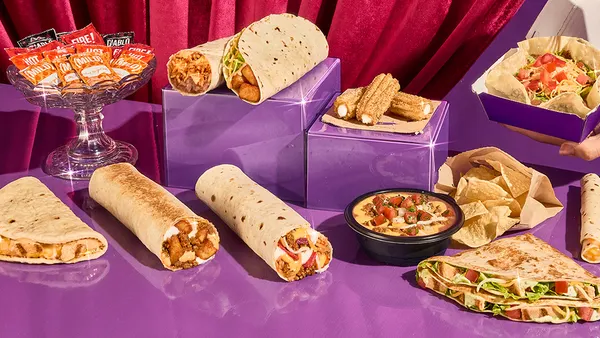
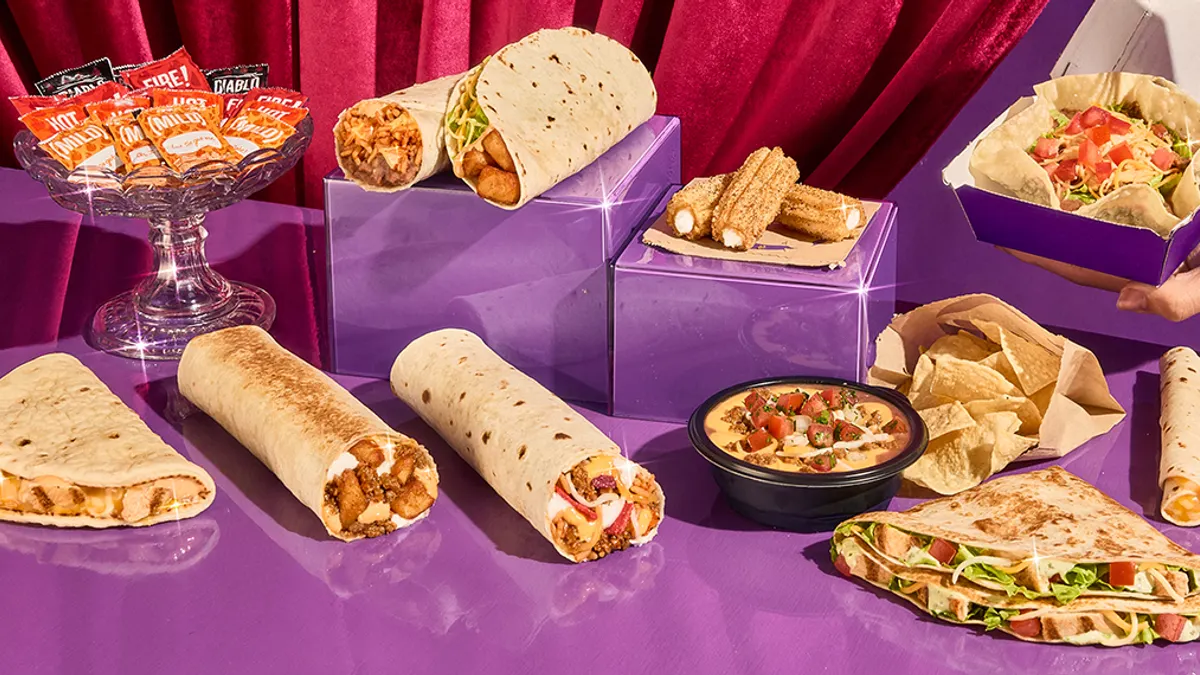
So much ink has been spilled describing Taco Bell’s combination of LTOs, value and aggressive marketing that it is difficult to recapitulate it. Recently the chain has posted two consecutive quarters of sales growth at or above 7% after a long string of other successful quarters.
But the chain’s ability to win consumers across income bands with offers like its Luxe Cravings Boxes is a major factor both in its outsized performance and the strategies of its competitors. Del Taco’s value plays hew very closely to Taco Bell’s, though to little avail for that brand.
And the chain has succeeded with unexpected moves: Adding Crispy Chicken Nuggets as an LTO, testing the expansion of a secondary cafe spin-off, the Live Más Café, as a proving ground for premium drinks, and leveraging fan enthusiasm to develop new LTOs. The chain continues to create buzz and excitement over upcoming menu items with its annual Live Más Event, and new menu items this year could have similar success as last year.
All of these strategies have helped the chain pull ahead of the QSR sector, and have laid the groundwork too for the recovery at KFC, also owned by Yum Brands, which is leveraging former Taco Bell execs and similar menu strategies to make up ground in its core territory after years of decline.
Losers
Sweetgreen
Few chains had it as bad as Sweetgreen in 2025. The year started with a 3.1% decrease in same-store sales, and each subsequent quarter saw harsher drops, culminating in an 11.5% decline in Q4. Nothing, not Ripple Fries, not new proteins like steak, or a deliberate attempt to increase protein portions and value perception, or the maturation of its overhauled loyalty program arrested the year-over-year declines.
Those drops were concentrated among its core demographics of consumers aged 25-35 and within its key Northeast and Los Angeles markets. Price sensitivity was part of this, as the brand’s value perception is worse than other fast casuals, which have seen traffic fall, but not as significantly.
The brand tried to cut its losses by eliminating Ripple Fries in Q3, which had imposed unacceptable operational complexity, and by laying off some of its corporate support staff. But still the losses continued, mounting to $49.7 million in Q4 and $134.1 million for the whole year.
The chain lost more than money, too. Nathaniel Ru, its co-founder and chief brand officer, retired at the end of the year. The chain also sold Spyce, a technology division responsible for its automated Infinite Kitchen makeline, for $100 million in cash and $86.4 million in equity in Wonder, Marc Lore’s vertically integrated ghost kitchen-food hall-delivery empire.
Pizza Hut
Pizza Hut has underperformed long enough that Yum Brands is considering selling the chain altogether, rather than undertaking a costly and long-lasting brand turnaround. For years, Pizza Hut’s same-store sales have waned, while Domino’s have waxed, leading to the erosion of the once-dominant chain’s market share.
Q4 2025 was actually the brand’s best quarter of the year, with same-store sales drops of only 3%; but the brand’s persistent problems pushed Yum to close about 4% of the chain’s U.S. store base — some 250 units — in an effort to preserve the health of the overall system. Closing weak-performing stores could help boost same-store sales by eliminating statistical outliers in the calculations and by shifting some consumer demand from shuttered units to nearby, higher-performing locations.
Yum is planning to spend significant money on the brand’s marketing, enough to push the Pizza Hut segment’s core operating profit down by about 15%, CFO Ranjith Roy said on Yum’s Q4 earnings call. The marketing spend is part of a strategic reset, called the Hut Forward program.
Hut Forward, Roy said, is “a bridge to a longer-term acceleration of the brand. This program includes alignment on a vibrant marketing program, modernization of certain technology and franchise agreements, and Yum! providing a onetime contribution to marketing support.”
Wendy’s
While competitors Burger King and McDonald’s both posted same-store sales growth, the third-largest burger chain in the U.S. suffered its worst quarter since the height of the COVID-19 pandemic, with an 11.3% loss in same-store sales. This followed bruising declines in each of the preceding three quarters, as intense value competition and unfocused marketing left the chain listless in the midyear.
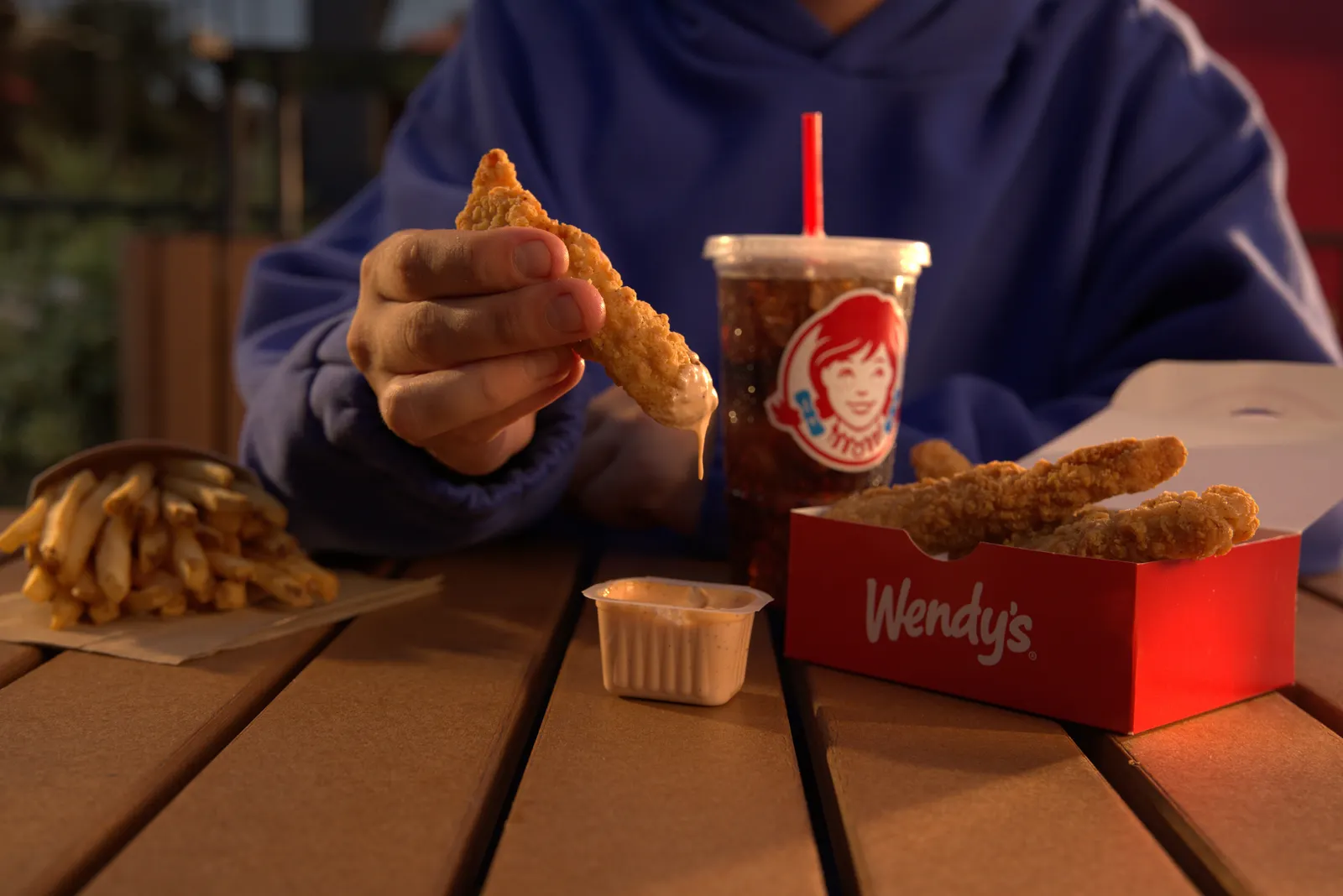
The deployment of new menu items, like chicken strips and premium coffee and energy drinks, failed to reverse Wendy’s weakness. The burger brand is in the middle of a turnaround program, Project Fresh, meant to boost its average unit volume and improve its brand image. As with Pizza Hut, this strategic shift will include the closure of hundreds of underperforming stores.
The sales declines prompted the chain to ease up on its breakfast promotion — once the target of $55 million in additional ad spending — by allowing franchisees to focus on other dayparts.
The erosion of sales and turnover in the C-suite have degraded the chain’s stock price to the point that Nelson Peltz, once its chair, said the brand was undervalued. Peltz’s firm, Trian Capital Management, is considering either divesting its holdings or pursuing a takeover of the chain.
Papa Johns
Papa Johns has suffered from long-running same-store sales declines, like Pizza Hut, with a 5% drop in Q4 2025. Like both Wendy’s and its Yum Brands rival, the chain is in the process of closing a large number of stores, up to 300. Papa Johns is specifically shutting stores that are at least 10 years old with unit volumes under $600,000, a move that will increase the proportion of modern, high-performing stores in its system. The chain also laid off 7% of its corporate staff.
On the brand’s Q4 earnings call, CEO Todd Penegor said the chain has seen mixed results with consumers in recent quarters.
“From a consumer lens, in the fourth quarter we saw strength in our loyalty customers and existing customers in North America. However, new customer acquisition was lower than last year, which pressured comparable sales,” Penegor said.
Like Sweetgreen, the chain’s operations have been burdened by popular, but peripheral, menu items. In this case, the Papadias and Papa Bites are being cut, despite driving incremental sales, because of their drag on ticket times.
Papa Johns is betting on new menu items, like its Pan Pizza, a premium-positioned product, to help it revive sales momentum.
In absolute terms, the number of pizzas sold by Papa Johns increased, Penegor told investors, but diners have traded down from larger sizes and customized pizzas to smaller, non-specialized items, leading to check degradation.
Penegor said a revival hinged on “building on the advancements we've made in value perception and leveraging our rebuilt innovation pipeline to win new customers, elevate our pizza order mix to more premium pizzas.”