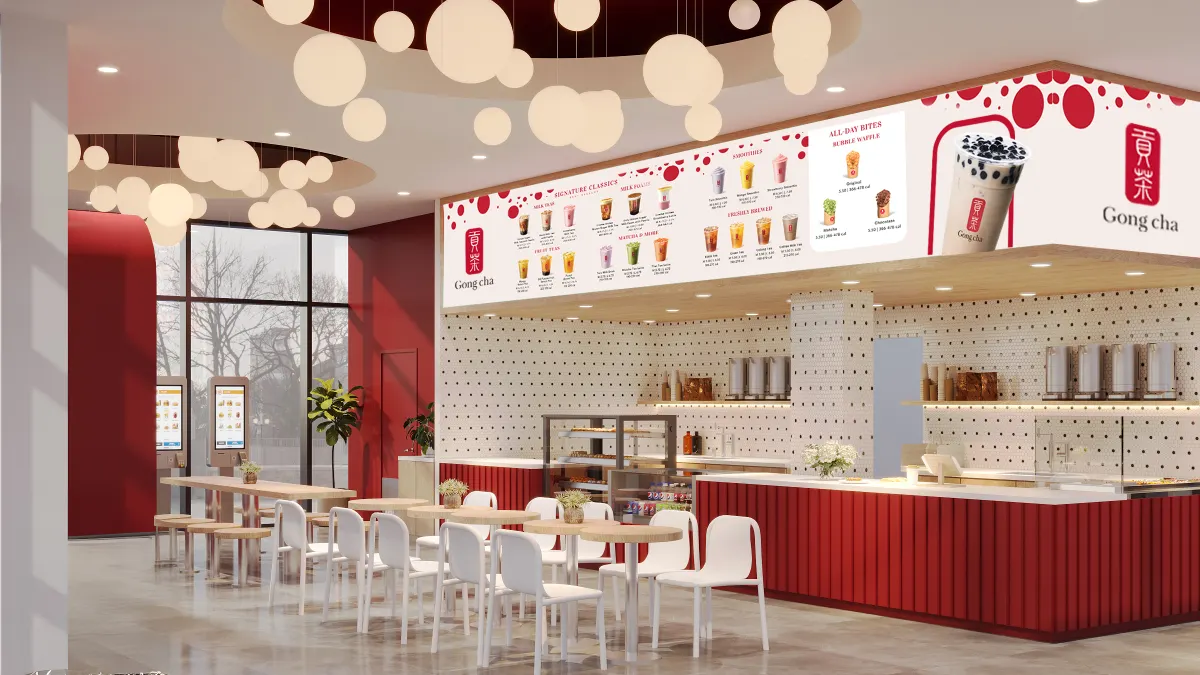

Gong cha Global, a franchise known for its bubble tea and assortment of beverages, is expanding its presence in the United States, an effort that has required a supply chain revamp.

To begin such an overhaul, the company tapped Alan Davis, its director of supply chain for the Americas.
"I've worked with other concepts that had more established, larger supply chains. So when Gong cha approached me with the opportunity to build this from the ground up. I was incredibly excited. I don't do slow and boring," Davis told Supply Chain Dive in an interview.
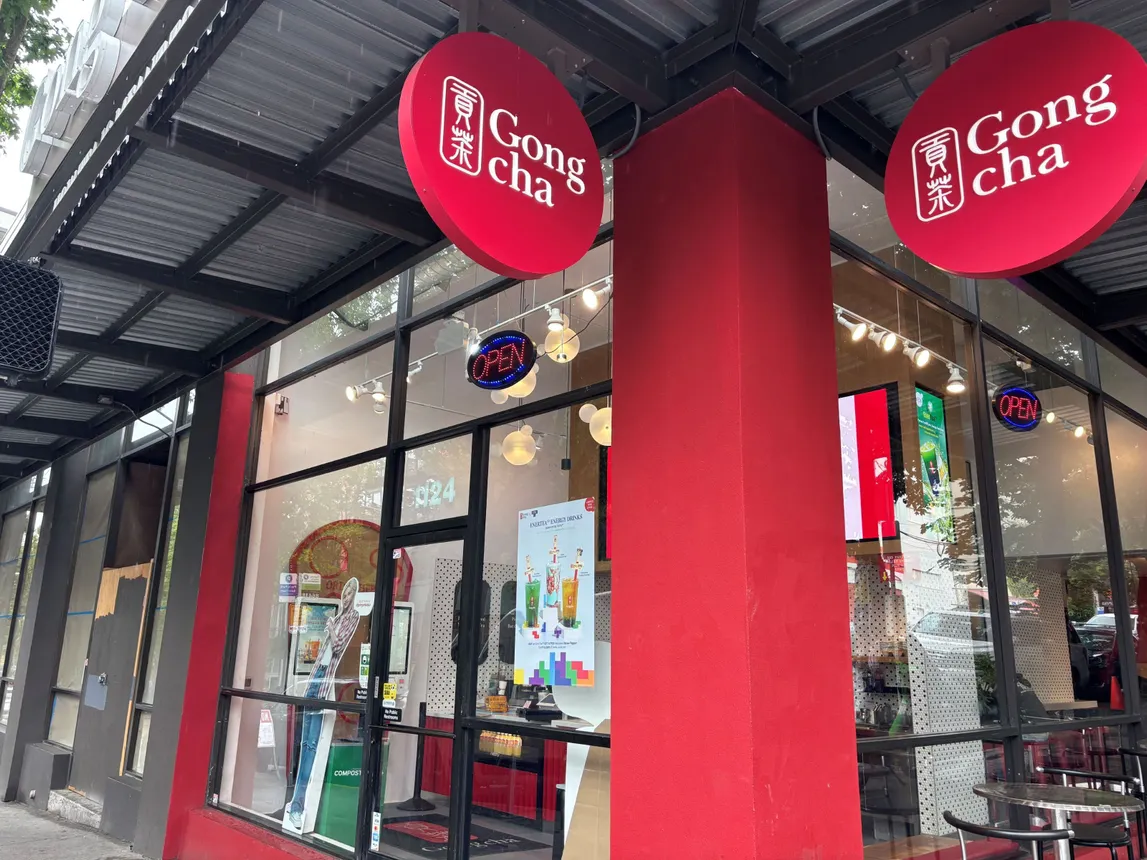
To further support ambitions for U.S. growth, the company recently went from a master franchising strategy to a direct franchising system. Gong cha did so by acquiring 170 of its master franchise U.S. stores with plans to build out 1,000 more units.
While a master franchise allows some flexibility on how a drink is made or what equipment is used, a direct franchise model ensures all stores operate the same and have menu alignment, Davis said. So a Gong cha location in Chicago, for example, will be consistent with one in San Francisco.
A direct franchising system also allows the company to standardize one supply chain playbook across all of its stores, Davis said. The transition has consolidated all the training and complexity of its supply chain, which has been a benefit for customers.
How Gong cha approaches its warehouse network
Establishing an optimal network of warehouses that can grow and scale with the company has been a key focus of Gong cha’s supply chain overhaul in the U.S., Davis said.
Gong cha has been intentional with the geographical placement of its warehouses, only choosing locations where there is enough store density to be efficient, Davis said.
“Regional distribution is incredibly important so we can pivot and make those deliveries faster,” Davis said.
Gong cha also considers each store’s needs when identifying new distribution hubs to avoid taking a “one-size-fits-all approach,” according to Davis.
For example, Davis may ask store operators if they would prefer to pick up product from a warehouse themselves to save on the cost of goods. Conversely, there may be instances where a location doesn’t make sense because the logistics burden and cost would be too high.
“There’s some places that freight lines don’t exist [and] are very expensive,” Davis said.
Driven by its regional distribution model, Gong cha currently operates five warehouses in the United States. These full-service warehouses handle receiving, sorting, inventory management and outbound shipments.
These facilities also serve as places for supply chain innovation. For example, some have specialized speed racks which pick up items and move them from one side of the warehouse to the other to help control first in, first out operations, Davis said.
Leveraging relationships for sourcing and logistics
Another key element of Gong cha’s U.S. supply chain push has been building relationships with vendors for freight, sourcing and warehousing, Davis said.
The company has sought to form supply chain-related partnerships built to endure for the long term, he said, noting how he has leveraged existing relationships from his career, which has included stops at Smoothie King and Wingstop.
“I still work with vendors from when I was at Wingstop,” Davis said.
On the sourcing front, Gong cha imports some of its raw materials from East Asia, consolidating products to ship them across the U.S. But it takes a “more hands-on” approach to bring product over to ensure consistency and accurate lead times.
For example, in the last two years, Gong cha has purchased and now runs its own tea farms. The company also works closely with its partners to control whether goods go to a staging warehouse.
“We have direct control of our importing. We don't wait for somebody else to do it. So we control our own customs brokers, our own importing,” he said.
Gong cha’s growth in the U.S. is accelerating, which means its supply chain is always evolving, both stateside and globally. To keep up, Davis continues to look into potential warehouse locations and partnership expansions in the U.S.
Meanwhile, he and other supply chain leaders must contend with demand planning for the company’s tea fields and cup manufacturers, since it takes almost three months to make products and ship it to the U.S.
“It’s constantly expanding. It’s constantly changing. It’s fantastic — new freight lanes, new hubs, new distribution centers,” Davis said of Gong cha’s supply chain.
Editor’s note: This story was first published in our Operations Weekly newsletter. Sign up here.