Dive Brief:
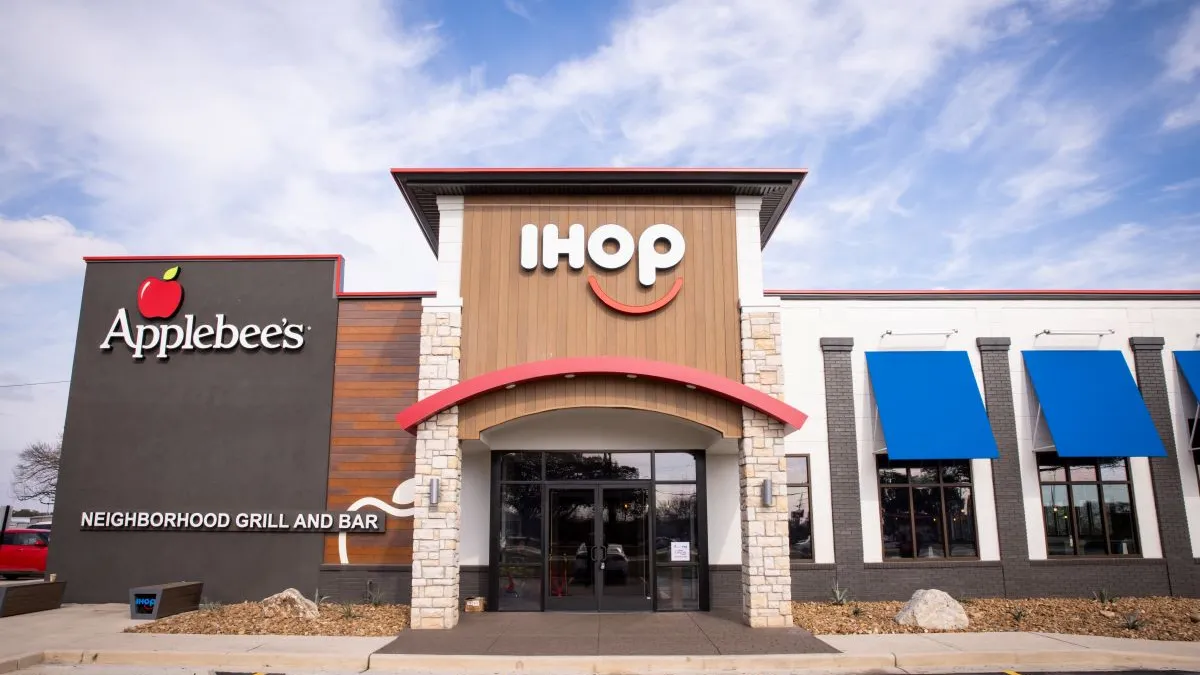
- Applebee’s franchisees Apple Texas Restaurants and Apple Houston Restaurants have sued the franchisor for allegedly violating the exclusivity portions of their franchisee agreements with dual-branded IHOP/Applebee’s units, court records show.
- The operators say one open dual-branded restaurant and two proposed units in Chambers, Tarrant and Dallas counties, Texas, are located in trade areas where they alone possess the right to operate units of the brand.
- Dine Brands, the parent company of Applebee’s and IHOP, has touted the daypart synergies and complementary menus of dual-branded locations as important tools for overcoming sales stagnation and bolstering both brands.
Dive Insight:
The suit, which was filed in federal court in Kansas last month, could crimp Dine’s dual branding strategy. The plaintiffs are seeking a court injunction barring Applebee’s from developing new restaurants, including dual-branded locations, in areas where the plaintiffs possess exclusivity. Dine is planning to reach about 80 dual-branded U.S. locations by the end of the year, and up to 900 such locations over the next decade.
Dine has said in the past that adding an Applebee’s to an existing IHOP restaurant, or vice-versa, drives considerable sales growth and profitability for operators. But in areas where the franchisees of the respective brands differ, this could pose a problem for Dine, if the plaintiffs prevail.
The dual-branded locations are “delivering approximately 1.5 to 2.5x higher revenue,” than single-brand restaurants, Dine CEO John Peyton said on the company’s most recent earnings call.
“Those benefits come at the expense of existing franchisees like Plaintiffs, who do not operate dual-branded locations but now have to compete with them in what should be Plaintiffs’ protected territories,” the suit states.
The plaintiffs also allege that they communicated their concerns about dual-branding to Applebee’s in 2025.
According to the complaint, the brand claimed the defendants had previously breached their development agreements because they had not developed new units, closed underperforming locations, and, in one instance, suffered a lockout by a landlord.
The plaintiffs argued that these issues were not sufficient to abrogate their development exclusivity rights and are asking the court to certify that they’ve fulfilled their franchise obligations.