
When a regular stops showing up, the natural instinct is to trace it back to something specific: a wrong order, a wait that ran too long, a night the kitchen was off. But according to Toast, that’s not usually how it happens. Most of the time, the departure is gradual, easy to miss until the guest is already gone.
That’s one of the central findings in The Regulars Report, a joint study from Toast and Resy drawing on a survey of 1,500 U.S. adults. The report puts numbers behind something many operators may sense but struggle to track: the slow fade.
Key findings from The Regulars Report:
- 43% of diners who stopped visiting a favorite spot cited gradual regressions as the reason they left.¹
- Specifically, they cited a decline in food quality (31%), price increases (22%), and a drop in service (15%).¹
- 32% of surveyed guests say feeling recognized by staff is a main reason they return.¹
What causes regulars to stop coming back?
Among surveyed diners who stopped visiting a restaurant they once loved, 43% cited gradual regression as the reason rather than a single bad night. The specific culprits break down as a decline in food quality (31%), rising prices (22%), and a drop in service warmth (15%).¹
The slow fade is what happens when a regular stops feeling like one. Maybe the meal was fine but not great, or the check got too high and it didn’t seem worth it anymore. In these cases, the guest starts looking for reasons to go elsewhere, and by the time an operator notices that the face they used to see every week isn’t coming around anymore, the relationship may already be over.
Does food or service matter more?
The data suggests the answer is both, but they don’t play the same role.
Food quality is the baseline. 52% of surveyed guests say consistency in the food is a fundamental requirement, and without it, nothing else holds. But consistency alone doesn’t build loyalty. Another 32% say that feeling recognized by staff is a main reason they keep coming back.¹
Reliability is essential, too. Recognition is what guests most often tie to coming back, and a restaurant can be consistent and still lose someone to a place that makes them feel known.
What makes a restaurant guest feel valued?
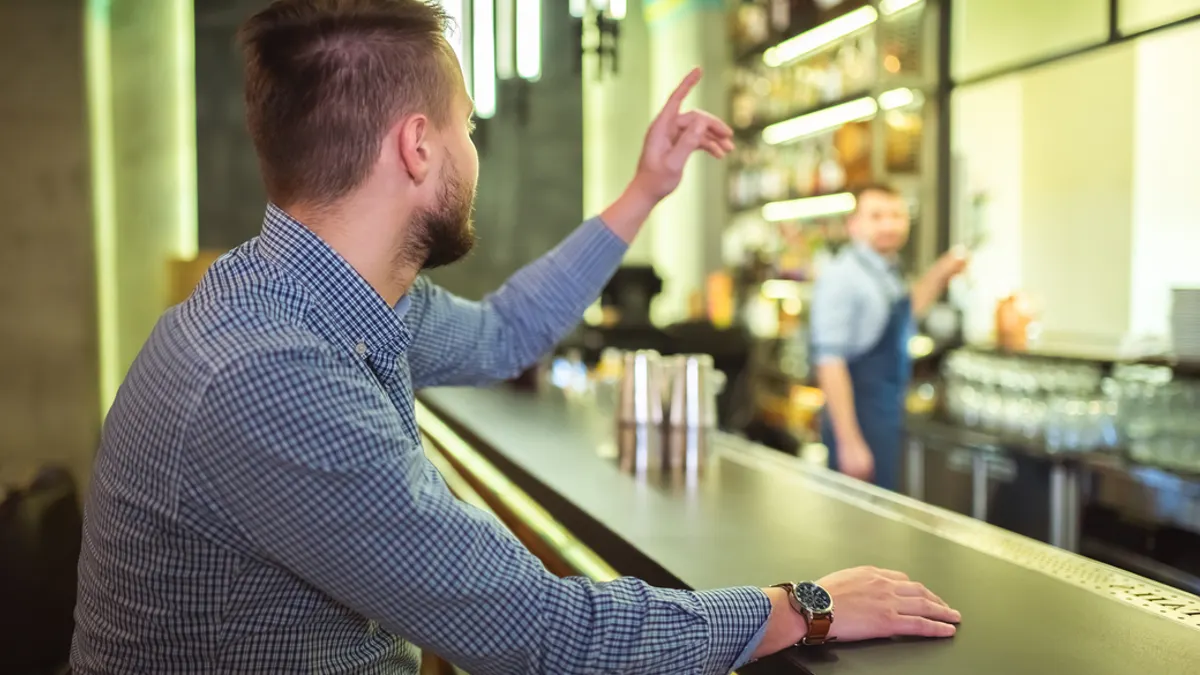
When asked what makes them feel most valued at a restaurant, 48% of surveyed guests pointed to being remembered by staff—a name, a usual order, a preference. Yet only 30% say they always receive that kind of recognition at the places they visit most.¹
In these situations, the slow fade begins. The food and service were fine, but nothing felt personal.
How can operators catch a fade early?
Your regulars pay attention, so they notice when things change. A regular who used to come in twice a week and now comes in once is telling you something, even if they never say a word. Staying attentive, visit after visit, is where the relationship holds or slips.
That means tracking more than covers and revenue. Visit frequency, time since last visit, and check size for your best guests are worth watching as leading indicators. A loyalty program can help you track that data systematically, but even without one, the floor staff often knows first. Keeping communication open with guests—and actually listening when they offer feedback—can also surface what the numbers don’t.
How to keep your regulars
A fade is reversible, but only if you see it coming. Read The Regulars Report for the full findings, and visit Toast to learn more about tools built to help operators stay close to their best guests.
¹ Consumer Sentiment: Gathered via a Pollfish survey fielded on April 2, 2026, surveying 1,500 U.S. adults who dine out or order in at least twice a month. The survey data is stratified to ensure a representative sample of modern dining behaviors across varying demographics.