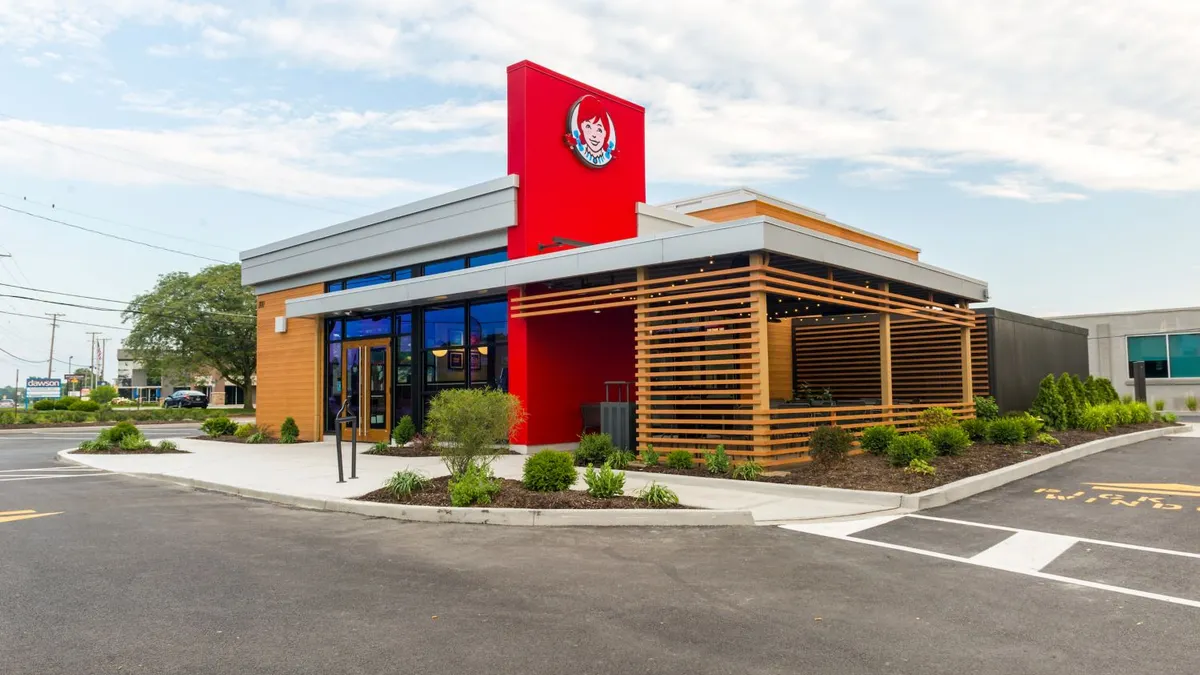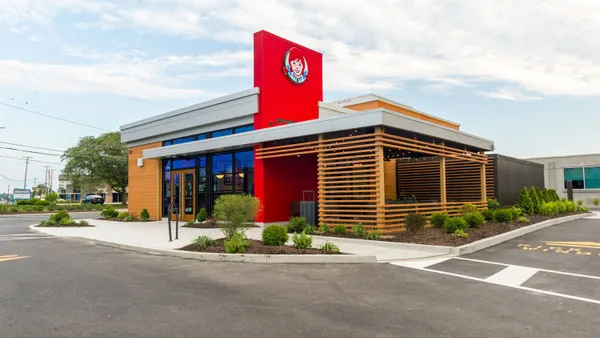
Wendy’s CEO Robert Wright laid out initial areas of focus on Friday that he said would help turn around the beleaguered chain, which has faced ongoing challenges related to traffic and sales growth, the closure of hundreds of underperforming locations and pressure from an activist investor.
Wendy’s reported negative 7% same-store sales, marking its sixth-consecutive quarter of declines, according to an earnings release.
“Today, we are not performing at our potential. Traffic is down. Our value proposition has slipped, and franchisee economics are under pressure,” Wright said. “That said, I've seen this brand at its best, and I know we can fix these issues. I'm incredibly optimistic about the power of the Wendy's brand and the future success we can create.”
Wright became the chain’s CEO in May after leading Potbelly for five years, during which time he returned the chain to positive same-store sales and traffic growth and built a significant pipeline through franchising.
“Successful turnarounds are achieved through a focused strategy, guided by clear principles and executed with discipline and accountability,” Wright said. “That philosophy will guide how we lead here at Wendy's.”
Wright said that he initially started at Wendy’s over 28 years ago, working alongside founder Dave Thomas, an experience which made a big impression on him regarding what Wendy’s needs to do today.
“Wendy's quality heritage provides a strong foundation for the turnaround, but success will depend on translating that equity into a proposition that's relevant for today's fast-evolving QSR landscape,” Wright said. “Heritage is a meaningful asset, but we need to be clear-eyed about the issues weighing on the business today.”
Key areas of focus for a turnaround
Wright said management is in the early stages of developing a turnaround strategy, but noted five areas that will be critical to fix.
The company will need to strengthen its menu with better food quality and “compelling value,” he said.
“We win when we have fresh, craveable food that our customers identify as distinctively Wendy's,” Wright said. “We will rebuild the menu at the ingredient level, at the menu item level, and the category level, while also addressing the menu price architecture that brings value to our customers.”
The second area is creating distinctive branding and marketing that can boost demand. With one of the most recognizable brands in the industry, the chain needs to have better messaging, media and creative that better connects with customers and drives restaurant traffic.
The chain also needs to focus on operational excellence, Wright said.
“We must set clear performance standards, establish the processes and procedures needed to meet them, provide training that enables every team member to execute consistently, and ensure the organizational structure supports our restaurants and reinforces our commitment to excellence,” he said.
The fourth area of focus will be creating a better digital experience, he said, adding that there are opportunities to improve analytics, customer-facing digital assets, like its loyalty approach and integrations with third-party aggregators, and that the company can better integrate restaurant technology solutions, he said.
The last area will be ensuring that its restaurants are “leveraged as an engine for growth,” he said. That means returning to market expansion and domestic unit growth. Initially, Wendy’s will work to ensure that it has “compelling four-wall operating economics and a consistent deployment of high-return investments on existing restaurants.”
He added that this focus will also include ensuring that its franchise system is well capitalized and ready for growth.
“We are moving with urgency and pulling out all the stops to make sure we have the right support to be able to get this work going,” Wright said.
Creating a corporate structure that supports a turnaround
To prepare the chain for a turnaround, Wendy’s hired Steve Cirulis as chief financial officer and chief strategy officer in June. Cirulis previously worked with Wright at Potbelly, where he helped execute the chain’s turnaround strategy.
Wright said he has invested in critical professional services and used the expertise of outside brands, businesses and strategy resources to help develop Wendy’s strategy and organization.
As part of a turnaround, the chain will review its corporate structure to make sure it can deliver on its strategic initiatives.
“In some areas, that means enhancing existing capabilities. In others, it means building new capabilities that are essential to the work ahead,” Wright said. “We've already started looking at necessary restructuring and reorganization efforts.”
Wright said he will be engaged in key decisions at the organization to ensure that “we are moving with focus, speed and accountability.”
He added that corporate restructuring in the past has meant job cuts and pulling resources, but that isn’t necessarily the case today. To support a strategic plan, Wendy’s will need a strong corporate structure and that will mean adding more capabilities in certain parts of its business and bringing on additional talent in places where it might not have it.
The chain also will work on ensuring it has the correct level of funding for its strategic initiatives, including making investments alongside franchisees, finding technology that can improve the customer experience while also improving efficiency, making restaurant investments or acquisitions and taking other actions to improve the balance sheet.
“We'll measure our progress through the indicators that matter the most, including traffic, customer satisfaction, franchisee economics, and return on the investments we choose to scale,” Wright said. “You should expect to see a clear connection between the actions we take and the operating metrics and financial results we deliver.”