Editor’s Note: Dec. 1, 2025: As a result of M&A activity taking multiple restaurant chains private, this tracker has been updated to include new publicly traded brands.
Q3 2025 marked a continuation of the sales weakness that many chains struggled with in the first half of the year. Brands like Chipotle and Sweetgreen extended their same-store sales declines, but other chains, like Starbucks, managed to stop recent sales slides with limited price increases and investments in service.
The slowdown at fast casual chains observed in Q2 continued in Q3, with Wingstop and Cava — major winners in 2024 — reporting continued sluggish sales. The chicken chain’s negative sales trend worsened, and the Mediterranean brand managed same-store sales growth on flat traffic for the second-consecutive quarter.
Check out how 24 major brands have performed in the past eight quarters. These charts will be updated in subsequent quarters.
Quick-service restaurant U.S. same-store sales
McDonald’s saw 2.4% same-store sales growth in Q3, as value moves like the Extra Value Meals — price cuts to core combo meals — helped it improve its affordability leverage on competing QSRs. CFO Ian Borden said on the chain’s earnings call that items from the EVM combo platform were present in 30% of transactions, making the discounted meals strategically essential for the Golden Arches. McDonald’s is also testing a new lineup of premium beverages in several hundred stores, which could set the stage for a long-term sales bump if the new drinks go national.
Taco Bell continued its positive same-store sales streak with a strong 7% increase, thanks to its aggressive value strategy, new menu items and the dramatic growth of its loyalty program. KFC, long the sick man of Yum’s U.S. portfolio, ended a run of declines with a 2% bump in the U.S., as its ongoing turnaround drive appears to be gaining traction.
Restaurant Brands International’s keystone U.S. brands, Popeyes and Burger King, both saw relatively strong same-store sales growth in 2023 that evaporated in 2024.Burger King returned to same-store sales growth in Q2, however, which continued in Q3, when the chain posted 3.2% same-store sales growth. In recent months, the burger brand’s barbell pricing strategy has been one growth driver; a second major catalyst has been the renovation of Burger King’s storebase. RBI said it has seen particularly strong results with remodels at former Carrols’ units, which is helping speed up refranchising.
RBI is trying to improve Popeyes’ brand performance through its Easy-to-Run initiative, which is intended to streamline operations at the chicken chain, but comps still fell 2%. RBI appointed Peter Perdue, formerly Burger King’s COO, as Popeyes’ North American president.
Wendy’s lagged behind Burger King and McDonald’s, with a 4.7% comps decline despite adding chicken tenders to its permanent menu in an effort to boost its sales. C-suite instability has plagued the burger brand in recent years.
Wendy’s sales troubles — three consecutive quarters of falling U.S. same-store sales — have pushed the brand to re-evaluate its U.S. store base. That evaluation would result in the closure of hundreds of locations over the next year, interim CEO and CFO Ken Cook said on the chain’s Q3 earnings call.
Coffee chains U.S. same-store sales
At long last, Starbucks’ turnaround efforts ended its same-store sales slump, with the chain posting flat North American comps in Q4 of its fiscal 2025, though transactions declined slightly.
Earlier this year, CEO Brian Niccol pledged $500 million in additional labor, and said the brand would spend up to a $150 million program refreshing about 1,000 stores in the U.S. in an effort to improve ambiance and store experience.
The coffee giant’s long-term investments in on-premise experience, marketing and premium brand positioning appear to be paying off. CEO Brian Niccol touted the chain’s ability to draw consumers on its earnings call.
“Non-Starbucks Rewards customer transactions grew year-over-year for the second consecutive quarter across all dayparts, validating our approach to marketing,” Niccol told analysts.
Dutch Bros posted a strong quarter, with 4.7% transaction and 5.7% comps growth. The drive-thru focused challenger chain said it was planning to expand its hot food offerings, which could help it compete with incumbent segment leaders like Starbucks and Dunkin’.
Black Rock Coffee Bar, which went public late in Q3, reported a strong 10.8% jump in same-store sales, according to an earnings release.
The chain attributed this success to its “community-focused operating model [which] is yielding strong results across the markets we operate in today,” in its earnings release.
Pizza delivery restaurant U.S. same-store sales
During the third quarter, Domino’s posted its first same-store sales increase above 5% since Q1 2024. Traffic was also positive, due to its Best Deal Ever promotion and Parmesan Stuffed Crust pizza. CEO Russel Weiner said the brand expects to achieve 3% same-store sales growth for the year, with additional momentum continuing into 2026. He attributed this success to ongoing menu innovation, sales through third-party aggregators, upgrades to its e-commerce platform and its first brand refresh in 13 years.
Papa Johns and Pizza Hut did not fare as well. After posting a 1% same-store sales increase in Q2, Papa Johns slid back into negative territory with same-store sales falling 3% during the third quarter. The pizza chain saw its biggest declines among small ticket web orders, which tend to over-index with lower-income guests, CEO Todd Pennegor said during the company’s earnings call.
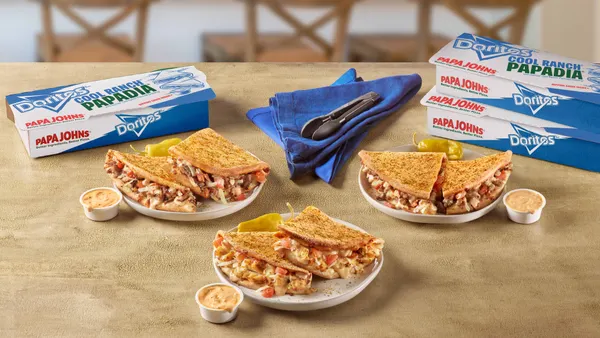
While the chain sold a greater quantity of its pizzas during the quarter, order mix shifted to more medium pizzas and fewer additional toppings — as opposed to large multi-topping pies — leading to flat pizza sales in dollar terms, he said. Sales pressure was mainly driven by declines in products outside of pizza, including wings, bread sides, Papadias and Papa Bites, he said.
Pizza Hut, the weakest of Yum’s brands in its home market, saw its same-store sales drop 6% in the third quarter, a serious erosion for the troubled brand. Pizza Hut’s problems are exacerbated by the concentration of its store system within the U.S. — sister brand KFC was long able to offset its domestic sales troubles with international success, and only derives 14% of its sales from the U.S. But Pizza Hut draws 42% of sales from the U.S. That market was the worst performing of its major markets in the last quarter, according to Yum’s earnings release.
But Pizza Hut may not be long for this tracker — Yum announced it was considering a sale of the brand. CEO Chris Turner said the sorts of actions needed to help the brand out of its slump might best be undertaken by new ownership. Public markets can be unforgiving to quarter-over-quarter declines while the difficult work of a multi-year turnaround gets going, and private ownership might insulate Pizza Hut from that pressure. Both Potbelly and Denny’s bid adieu to Restaurant Dive’s publicly traded same-store sales tracker as a result of acquisitions that took them private this quarter.
Fast casual restaurant U.S. same-store sales
The second quarter marked a difficult shift in the fast casual segment, and Sweetgreen and Wingstop extended streaks of declining comps into the third quarter. Wingstop’s 5.6% drop was its second-consecutive troubled sales quarter, but new openings offset the sales slide on a systemwide basis. This decline could be short-lived as Wingstop continues to deploy its Wingstop Smart Kitchen, which is helping speed up transactions and drive year-over-year sales growth.
Sweetgreen’s 9.5% decline in Q3 was one of the worst performances by a publicly traded restaurant brand, and was caused by a particularly worrisome 11.7% drop in traffic. Perhaps worse, restaurant-level margins dropped 7% year over year, as value plays and efforts to increase protein servings for consumers added to operating costs — profitability has long been an issue for the salad chain.
Sweetgreen also sold Spyce, the division responsible for developing and manufacturing its Infinite Kitchen makeline, to Wonder for about $186 million; the chain will continue to lease the tech from the food hall company.
Chipotle managed to return to same-store-sales growth, but not traffic growth. The brand’s 0.3% same-store-sales growth was attributable to a 1.1% increase in average ticket, driven by the performance of its sauce add-ons and premium protein LTOs, which were backed by national marketing.
CEO Scott Boatwright said the burrito giant was facing particularly stark challenges with consumers in the 25- to 35-year-old age group.
“This group is facing several headwinds, including unemployment, increased student loan repayment and slower real wage growth. We tend to skew younger and slightly over-indexed to this group,” Boatwright said on the brand’s earnings call.
Cava’s same-store sales growth moderated during the quarter and traffic was flat, but the chain remains optimistic about its ability to grow market share. CFO Tricia Tolivar told Restaurant Dive that the brand is not looking to use discounting as a traffic driver for fear such a move could damage its premium positioning.
Shake Shack’s same-store sales accelerated, with 4.9% growth. The success came after the chain increased its ad spend and began emphasizing in-app value promotions.
Casual restaurant U.S. same-store sales
Applebee’s continued its same-store sales growth in the third quarter, driven by increased marketing for existing Two-for-$25, everyday value positioning and ongoing menu enhancements. While IHOP still had same-store sales declines, it reached positive traffic for the first time in years. Dine Brands CEO John Peyton attributed that flip to IHOP’s House Faves, a value menu offering $6 and $7 meals.
First Watch posted same-store sales and traffic growth for the fourth-consecutive quarter, CEO Chris Tomasso said during its third-quarter earnings call. The company has been quickly growing its restaurant system and is on target to open 63 or 64 new restaurants this year — one of the fastest development paces in the casual dining cohort. Several of its new restaurants have had opening week sales that were among the highest in company history.
Texas Roadhouse boasted its strongest quarterly growth of the year with revenue, same-store sales and traffic all up, CEO Gerald Morgan said during its third quarter earnings call. Traffic rose 4% while average check increased 1.8%, Michael Bailen, head of investor relations said.
The chain hasn’t seen any change in guest behavior after increasing menu prices at the beginning of the fourth quarter, Morgan said. The company has been expanding its beverage platform with mocktails and $5 all-day, everyday beverages. It is also experimenting with a regional approach to beverages by testing dirty sodas in Utah and Idaho. Those drinks have been well received, Morgan said.
Outback Steakhouse saw its first positive same-store sales growth since Q2 2023, but its traffic was flat. Outback’s sales growth was the weakest among brands under Bloomin’s banner and the parent company launched a multi-part turnaround strategy for the chain. That turnaround will include improving the on-premise guest experience and refreshing restaurants, among other initiatives. It has already closed 21 restaurants and has identified another 22 restaurants where it will not renew its leases.
Olive Garden has managed four quarters of same-store sales growth, with traffic remaining positive. The chain is working to strengthen its affordability by testing a menu section with lighter portions, including seven existing entrees with smaller servings and reduced prices. The brand advertised first-party delivery aggressively and completed 1 million free deliveries during the fiscal first quarter, and average weekly delivery sales doubled during the campaign and remained 40% higher than its pre-campaign average.
Chili’s led the pack in publicly traded casual chains, with same-store sales gains of over 21% in fiscal Q1 2026. The company is now in the third year of its turnaround efforts, and its traffic and sales momentum are expected to continue through the remainder of fiscal 2026. However, the chain anticipates sales growth to moderate as it laps previous quarters of 20% or higher in same-store sales increases.
Correction: A previous version of these charts incorrectly labeled same-store sales for Olive Garden.