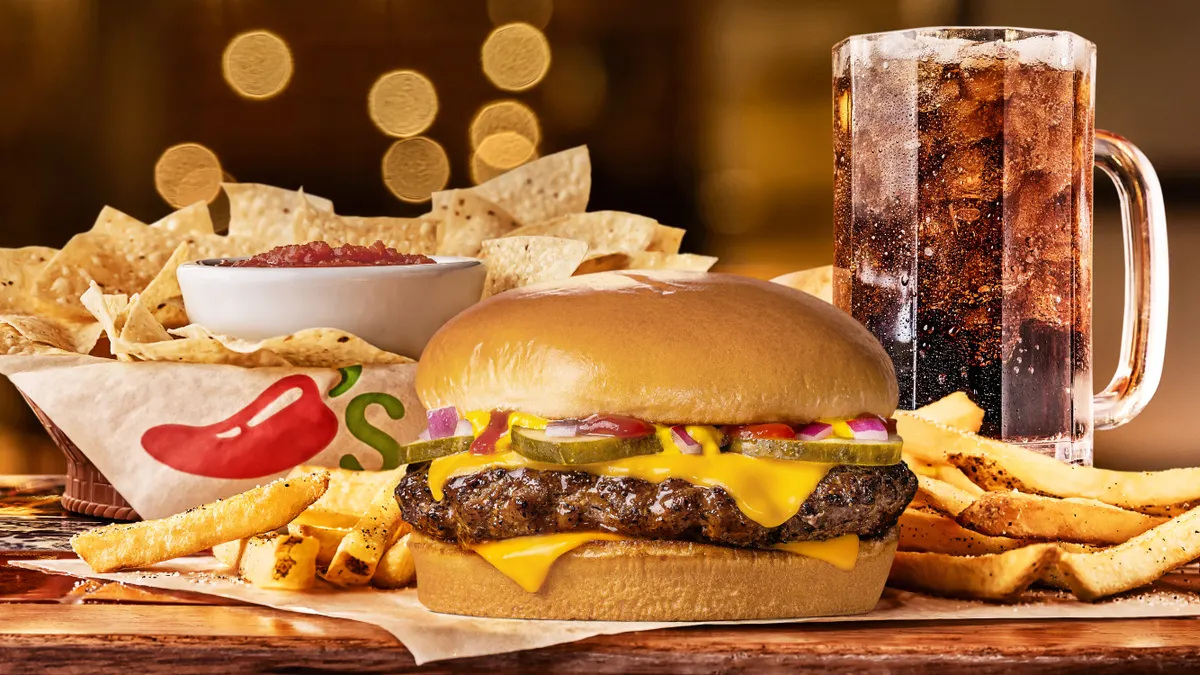
Over the past few years, Chili’s has leaned into its 3 For Me deal — a combo that touts larger portions at smaller price points than its fast food rivals. Starting at $10.99, customers receive bottomless chips and salsa, fries, a bottomless fountain drink and an entrée, such as a burger.
The offer set Chili’s apart from a number of other restaurant chains that have raised prices and reduced portion sizes in recent years. Much of these menu changes are in response to broad market as they have grappled with a number of challenges, including the COVID-19 pandemic and higher labor, food and ingredient costs.
But inflation has also taken a toll on American consumers in housing, at the grocery store and the gas pump.
In order to improve reduced foot traffic trends in this environment, a lot of restaurants have started offering cash-strapped customers with value that delivers more food for the dollar, said Chad Moutray, senior vice president, industry research and knowledge and chief economist at the National Restaurant Association.
Such deals have been offered by casual dining and fast food chains, including Applebee’s, Dairy Queen, Taco Bell and Buffalo Wild Wings.
Restaurants are trying to distinguish themselves from their competitors by communicating to their customers that they offer and deliver a great value, said Moutray. That includes offering value meals and deals as well as a great experience, he said.
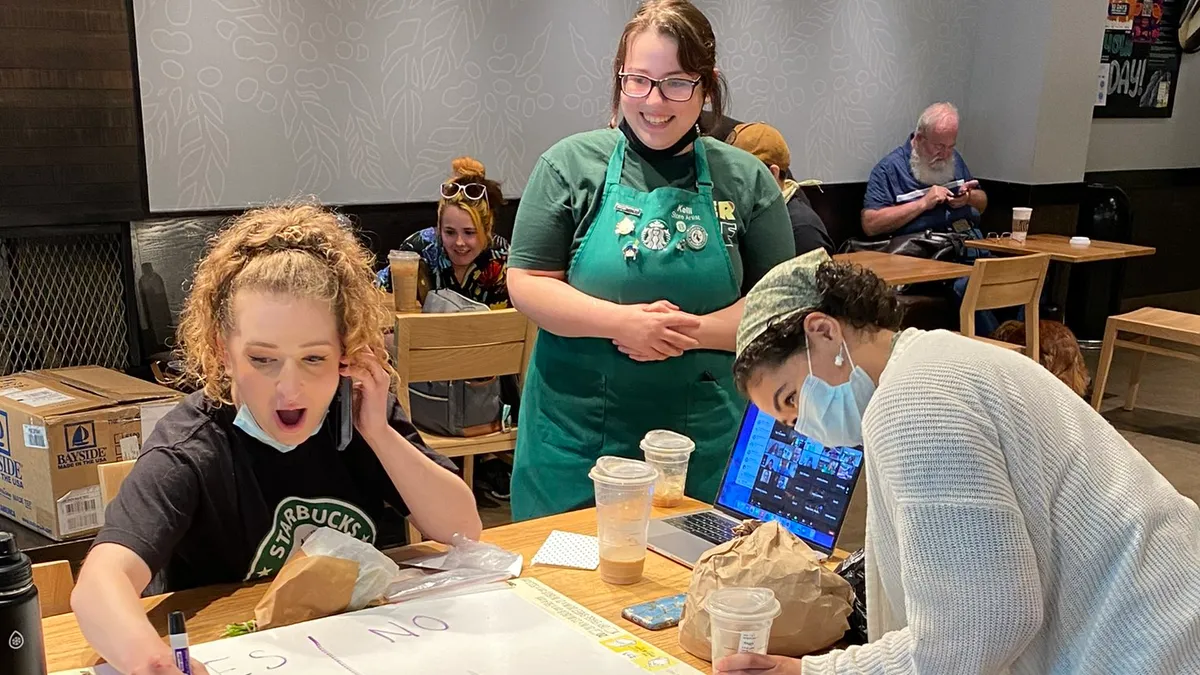
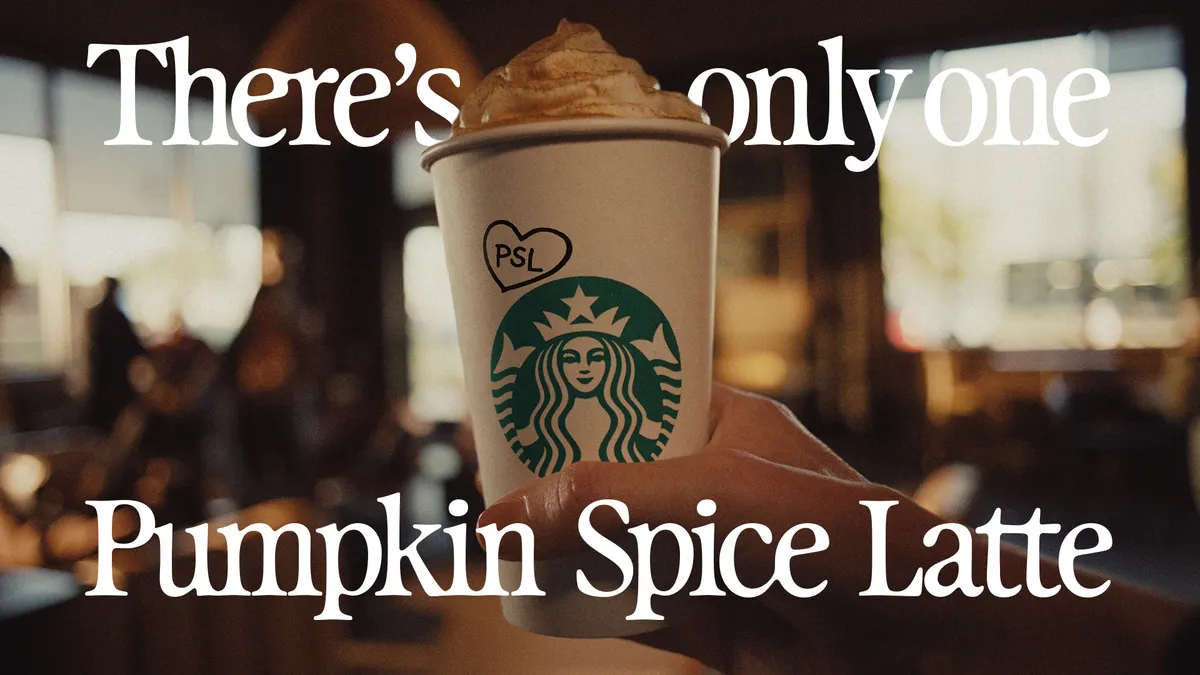
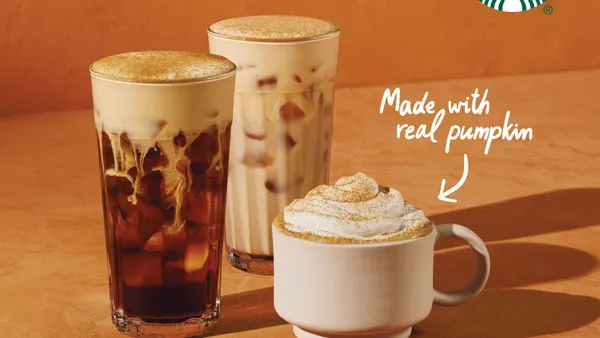
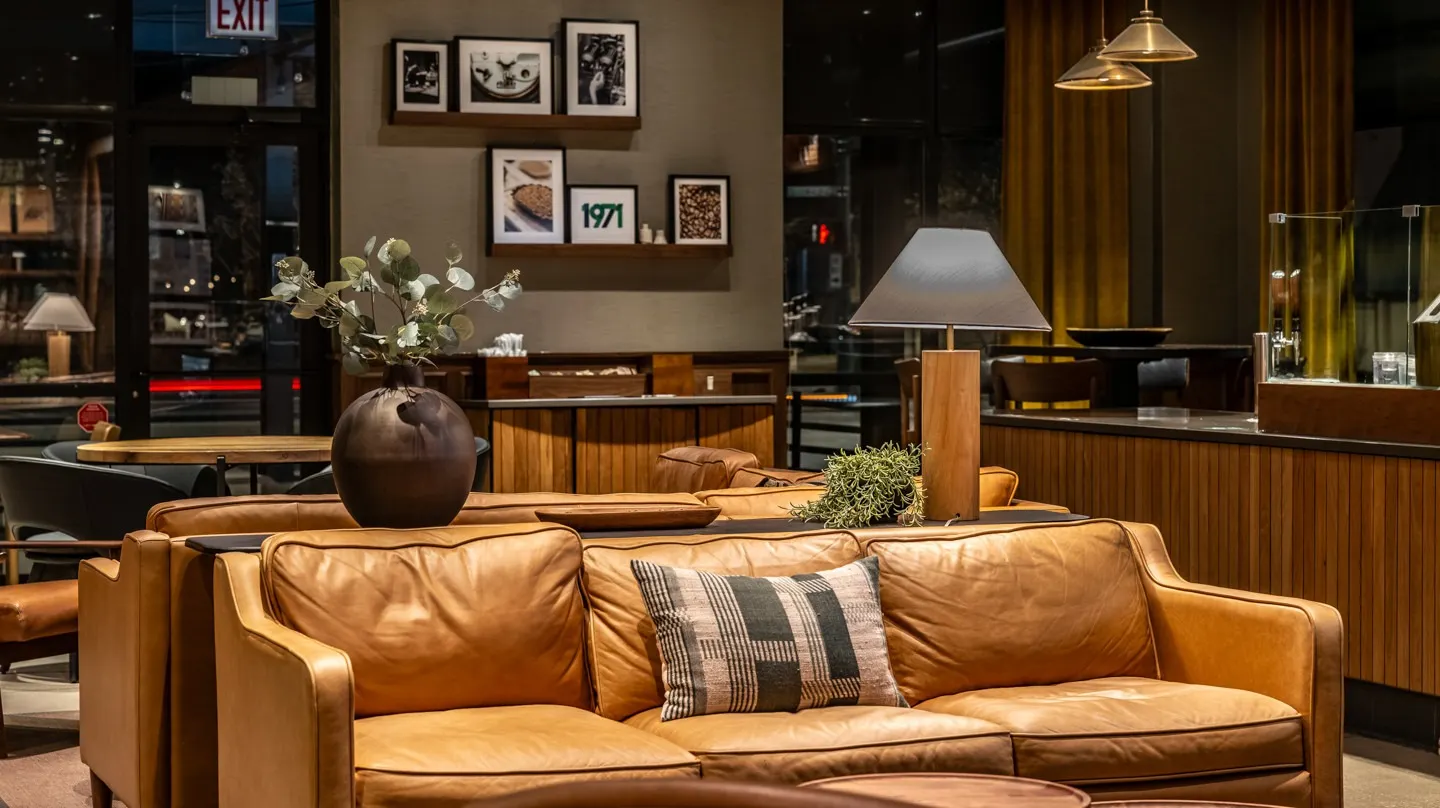
Pizza Hut recently started reverting some of its restaurants to the retro-look of the 1980s and 1990s, complete with the iconic red roof and checkered lamps and table clothes, red cups and vinyl booths. Starbucks is also trying to return to its roots by improving the dining experience in their shops — inviting customers to stay a while with their premium coffee concoctions and Wi-Fi.
Premium experiences like the one Starbucks is offering often translate to higher-average checks, even during challenging economies, and can tap into consumer demands, said Stephen Zagor. Zagor is an adjunct associate professor of business at Columbia University, who specializes in the restaurant and food business.
There are ways restaurants can even convey value by raising prices, he said.
But, in order to demonstrate value, restaurants need to understand who their customer is, said Moutray. That’s crucial, as strategies aimed at demonstrating value come with the risk of squeezing profit margins, he said.
“There is a delicate balance of how can I continue to distinguish myself and make sure I’m providing a great value,” said Moutray, “But you also have to make the math work to make sure you are successful.”
Leaning into value
Chili’s leaned into its 3 For Me value deal a few years ago after noticing people on social media airing their frustrations about paying more at drive-thrus, while feeling like they were getting less food, said George Felix, executive vice president and chief marketing officer of Brinker International, the chain’s parent company.
The $10.99 price point allows Chili’s to offer a meal that’s competitive with fast food restaurants by providing “real value, quality, abundance and experience,” he said. It has also had a “significant” impact on sales as the chain saw same-store sales growth, sometimes in the double-digits, over the past 20 quarters.
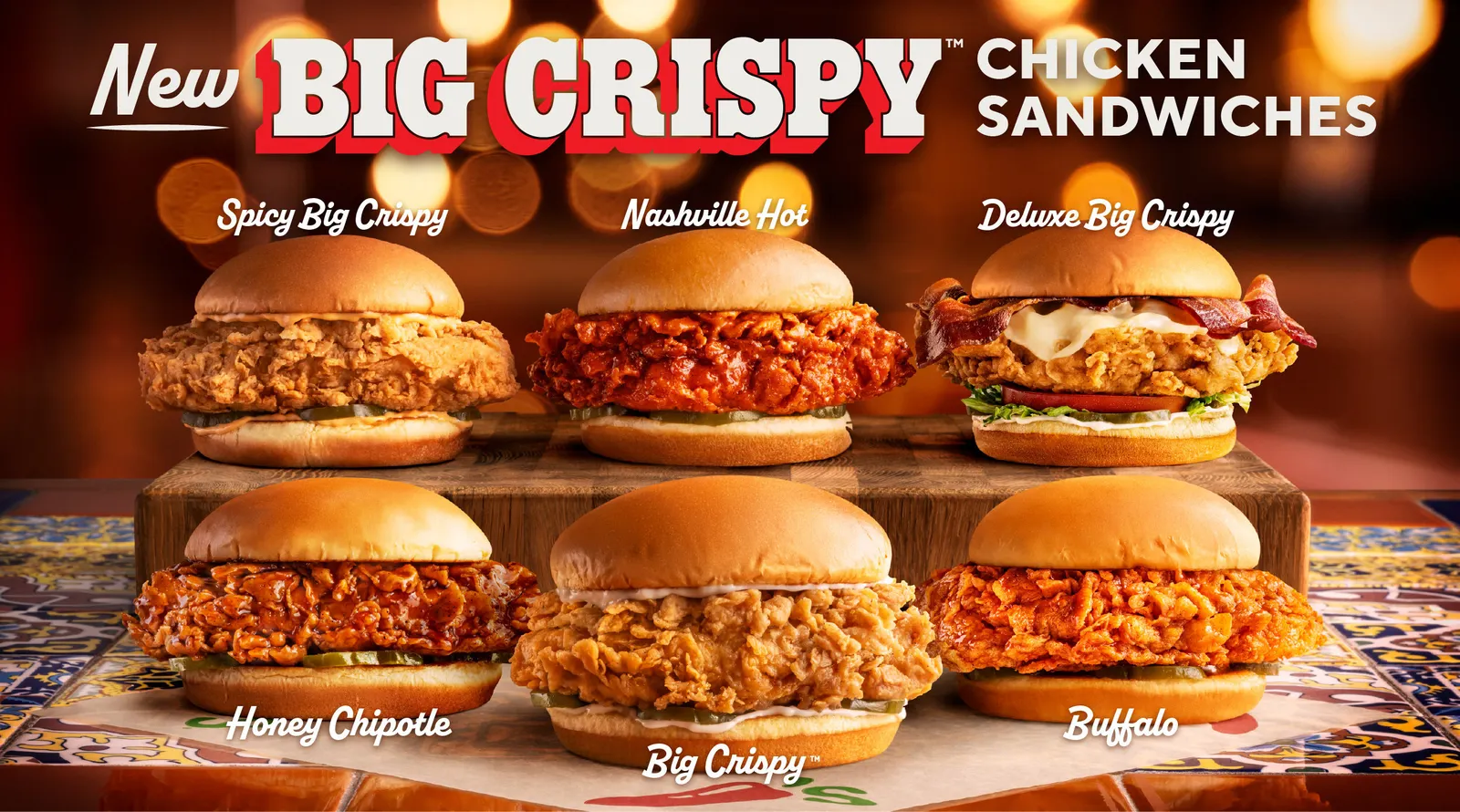
Chili’s, in return, has expanded the deal to include new menu options such as its Big Crispy Chicken sandwich and Big QP burger, which the company boasts has 85% more beef than McDonald’s Quarter Pounder.
Value pricing drives traffic because people love the sensation of beating inflation with bundle deals, giant portions and good offers, said Zagor.
Chili’s has been intentional about building value platforms that are sustainable and that customers feel they can rely on every day, said Felix.
The chain is trying to create “clear, compelling entry points into the brand,” he said.
It’s trying to over-deliver on value and keep guests engaged — feeling like there’s a reason to come back, he said.
Large companies such as Brinker have an advantage over other restaurants when offering new promotions since they have access to food sourcing and logistic support that smaller businesses don’t, said Zagor. They also have the massive pull of brand awareness and marketing, he said.
Still, restaurants don’t need to reduce the price of all their menu items. They just need to make guests feel what they spent on the meal was justified, said Felix.
For Chili’s, that means protecting what their guests notice the most: portion size, food quality and hospitality, he said.
“You can’t cut your way into relevance. Guests are incredibly smart right now, and they know when value disappears,” said Felix. “The brands that are winning are the ones delivering clear value without compromising the experience.”
Improving the experience
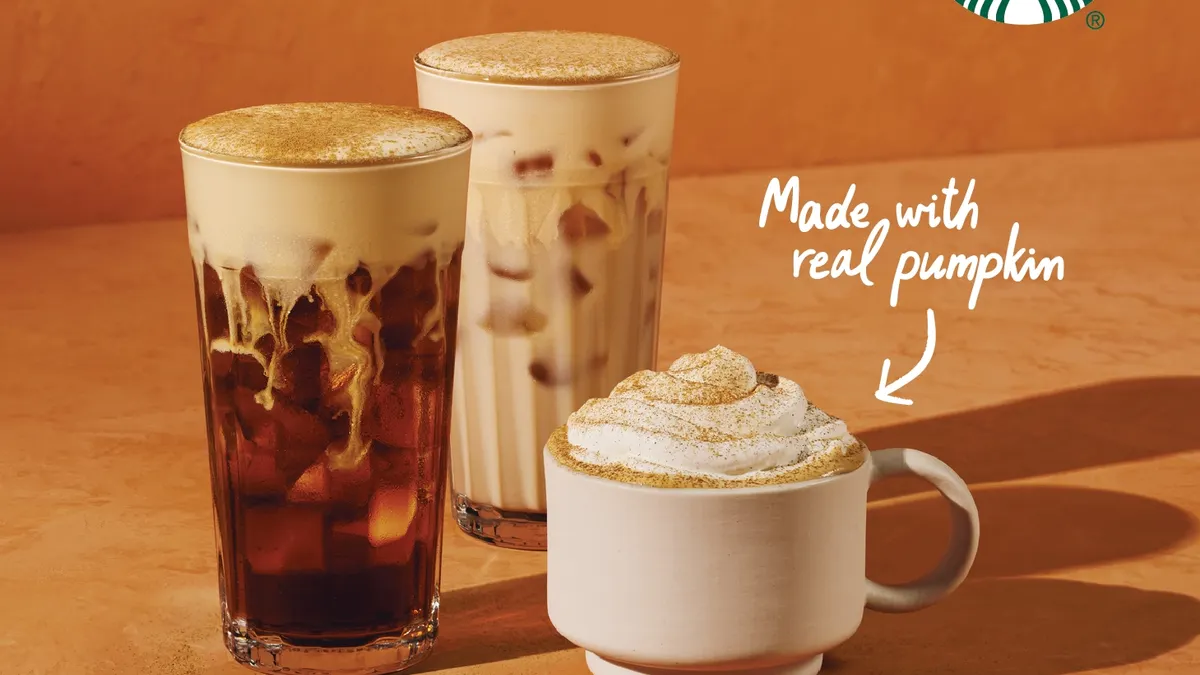
Starbucks CEO Brian Niccol this month told a Wall Street Journal podcast that customers could view a $9 cup of coffee as worth the expense if they feel as if they received a faster, premium experience in the restaurant. The comments received backlash for being out-of-touch, but Zagor believes the company was actually on the right track.
During challenging economic environments, consumers often cancel vacations, postpone buying furniture and compare gas prices, but they may still view drinking a $9 cup of coffee in a comfy setting as a “tiny reward for surviving modern life,” said Zagor.
Many restaurants are trying to communicate value by improving the overall experience at their restaurants, said Moutray.
But when establishing that value strategy — whether through value-based indulgence or by creating experience — they need to know their market to reach financial goals, said Zagor. And that strategy needs to be carefully monitored and potentially modified as needed, he said.
Understanding their customer base is critical, as some restaurants may have the luxury of passing higher price-points to their customers like others do, said Moutray.
“Some customers can and will pay more if the experience feels comforting, personalized, or indulgent. The up market is still strong,” said Zagor.
But promotional efforts also often fail, particularly when the experience a restaurant is offering feels expensive, small, forgettable, unsafe and joyless, said Zagor.
While people may tolerate expensive, if the premium experience starts to feel hollow and disappointing, it could backfire with the customer feeling annoyed and turning to Yelp to post a bad review, said Zagor.
Raising prices strategically
When restaurants do raise prices, they should do so in ways that “feel elective rather than punishing,” added Zagor.
Smart operators offer strategic value, such as combos, bundles, limited-time meal offerings and new promotions that pull people through the door, while also offering higher-margin drinks, premium upgrades and add-ons, Zagor said.
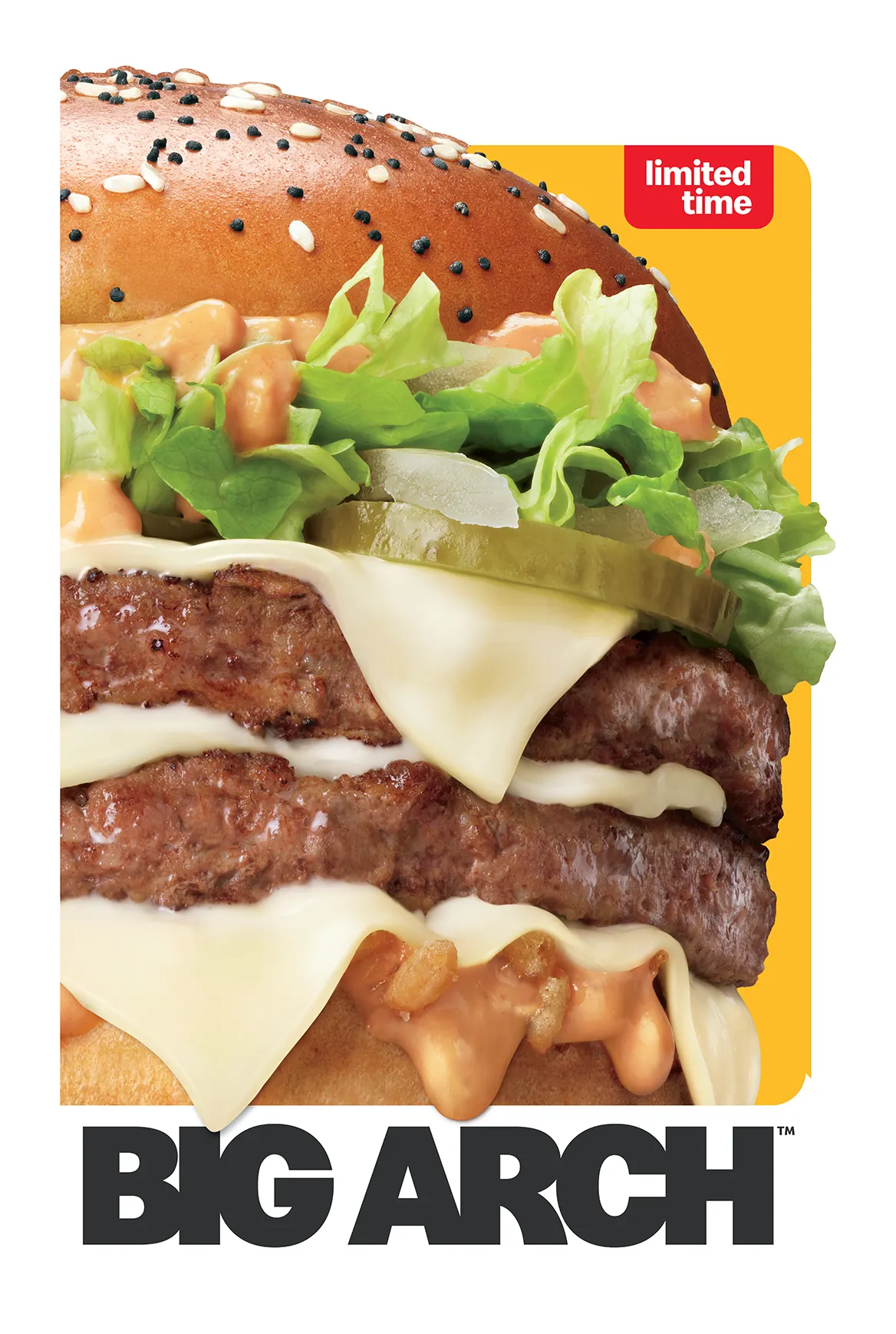
Earlier this year, McDonald’s, for example, introduced the Big Arch, a new limited-time premium burger that’s larger and more expensive than its famed Big Mac. It also enhanced its value offerings with the addition of its Under $3 Menu in April.
Customers hate being charged an additional $2 for a burger, but will happily pay more for a burger that’s larger or dressed up in a way that sounds “artisanal and emotionally mature,” such as with a smoked maple bourbon aioli, truffle or hot honey, Zagor said.
Restaurants need to match where their customers are financially by offering a variety of menu items at different price points, Moutray said.
“They can make up a whole variety of options for them, where they can get something that’s more affordable or a smaller portion size, or healthier,” said Moutray. “And for those who want to pay up for it, they have those options.”
Restaurants can distinguish themselves this way through menu innovation — such as offering unique limited-time menu items, said Moutray. Such innovation can cater to certain food trends and allow restaurants to hedge their bets by offering, perhaps, a more affordable protein as certain food items rise in cost, he said.
But when restaurants do offer higher-priced items, they should pitch it as true add-on items or limited-time deals that convey the value their customers are expecting, said Moutray.
For Chili's, establishing that value through the 3 For Me deal and the overall experience of dining at the restaurant has attracted new customers, who then come in more often, said Felix.
The deal “gives guests confidence that they can come in any day of the week and get a great meal at a great price,” said Felix. “And once they’re in the restaurant experiencing the food, hospitality, and energy of the brand, that’s what builds frequency, loyalty and long-term growth.”