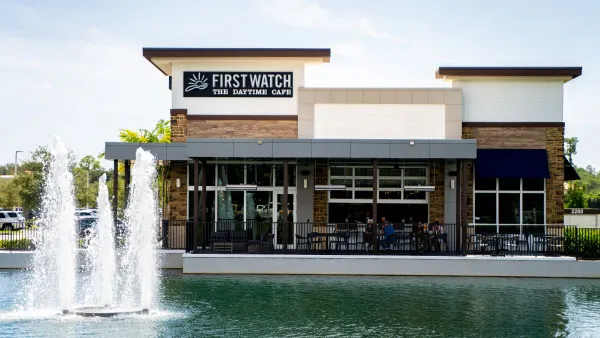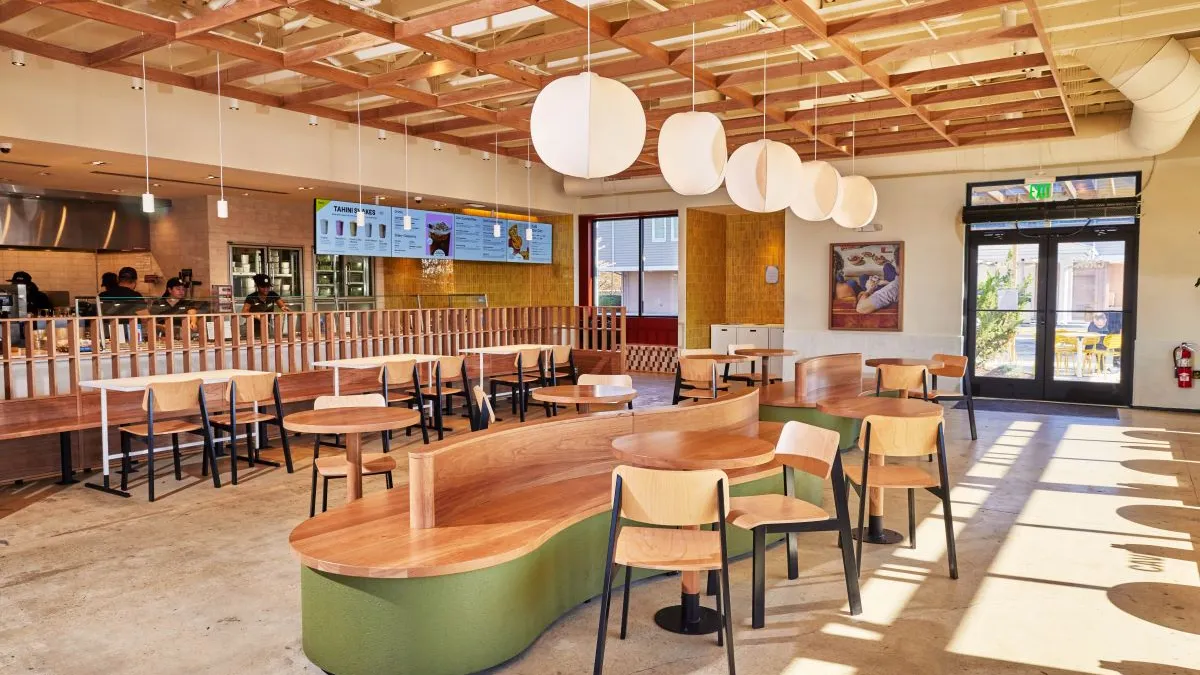
A common refrain of executives at franchised fast casual chains is that the business model, which mobilizes local capital and expertise, offers a quick path to unit growth and, possibly, a structural advantage over company-operated stores.
For QSRs, franchising is the keystone of most major brand strategies. McDonald’s, Subway, Yum Brands, Restaurant Brands International, Inspire Brands, Chick-fil-A and Wendy’s are all primarily franchised.
“I can sell franchise territories a lot faster than [company-operated brands] can open up corporate restaurants,” Gregg Majewski, CEO of Craveworthy Brands, said of one of his company’s fast casual chains in an interview last year. “When the franchise system fully gets going, I can open up 50 to 100 restaurants a year without even trying. You know, that's the power of franchising.”
Executives at other companies have echoed this impression: Local expertise and local capital can trump corporate centralization.
But the current competitive environment undercuts many of these assertions. In fast casual, many segment leaders are company operated or emphasize company-owned development: Chipotle, Cava, Shake Shack, and Sweetgreen have all seen dramatic growth. So have some franchised systems — like Wingstop — but a comparison of the segment-leading, company-operated chains with major franchised competitors shows something interesting.
While Wingstop’s ability to open new restaurants over the last few years outstrips company-operated systems in absolute terms, this growth is an outlier among other segment-leading franchised brands.
How quickly are fast casual brands growing?
“The asset-light franchisee model is fantastic,” said Mark Wasilefsky, head of restaurant franchise finance at TD Bank. “I love the model and careers [are] based on it. But the corporate side of [the industry] can just move so much faster, if it's a healthy corporate institution.”
What explains the prevalence of company-operated chains dominating the fast casual segment? The answer is complicated, experts say.
Franchised growth and company-operated growth call for different strategies
Once chains reach a certain size, they have greater purchasing power, access to capital and ability to analyze and purchase real estate to develop their own restaurants.
“The company can open units in good times and bad times. They have the benefit of having a longer duration outlook,” said Sharon Zackfia, a William Blair analyst. “They can take advantage of times like a pandemic, to get better real estate and cheaper costs.”
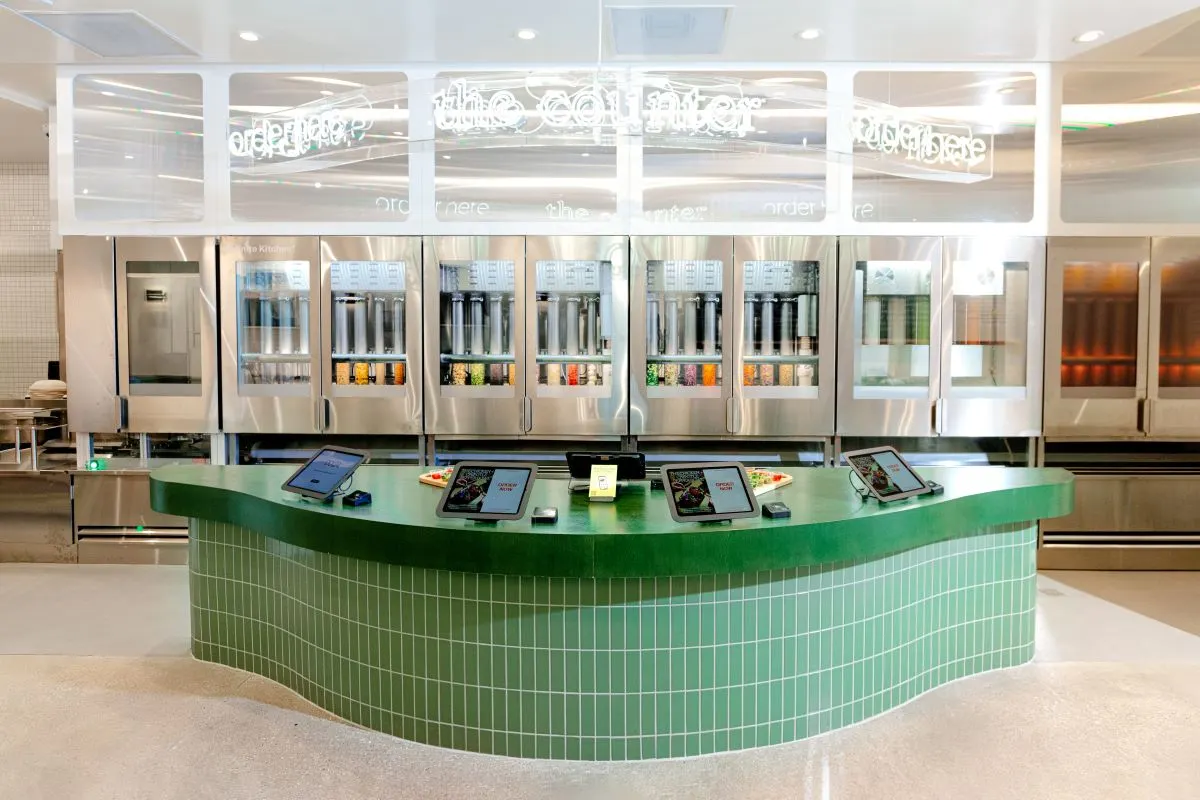
Franchisees, on the other hand, are more sensitive to fluctuations in interest rates and the macroeconomy because of their smaller scales. Zackfia said franchisees often have to level up in order to expand, and they may finance this with variable rate debt that can lead to problematic cash outflows during difficult periods.
“It's harder to raise capital as a small business today than it would have been 10 or 15 years ago,” Zackfia said.
Traditional franchisees assume significant risk and face a steep learning curve when opening their first few stores, while corporate development — or new unit growth by major franchisees — can leverage a wealth of experience, expertise and market power, Wasilefsky said.
Effective corporate development then happens in the context of a national strategy, Wasilefsky said. Adapting a brand for a new region requires significant marketing expertise and coordination that may be lacking in smaller systems. And, of course, franchisors do not face direct risk from the failure of a single unit the same way operators — whether franchisees or companies — do.
“When you have a corporate-operated business, they're charging in there, and they know what they're doing. They've done this many times. They know how to interact with the community. They know how to operate. They know how to get the TV time, the radio time, all that stuff is directly managed by them,” Wasilefsky said.
Franchisees, not systems, benefit from performance
Another factor is the basic difference in economics. In franchised systems, operators individually benefit from store performance.
“That individual who owns their operation retains whatever excess available cash [is generated by operations],” said Tricia Tolivar, Cava’s chief financial officer. “In a company-owned model, you have the benefit of reaping those additional benefits if they take place, but you also carry some of the risk in the event the business has a downturn that the company-owned model would have to absorb.”
This, in turn, means brands have less ability to support or intervene in the operations of underperforming units. Some chains, like McDonald’s, come closer to the fine-tuned control of a corporate unit by positioning themselves as landlords.
“Rent is 8% of your [profit and loss]. It's their second largest expense, after labor, and that's in addition to the franchise fee,” Wasilefsky said. “So McDonald's has a lot more flexibility to help their franchisees, because they do control a bigger part of the P&L than, say, Burger King.”
But McDonald’s position is unique, and the QSR chain occupies a different niche than fast casuals; franchised brands in the space lack the real estate breadth, cultural cache and control over operations that the Golden Arches possesses. Most franchised fast casuals, like Qdoba, are privately held too, which insulates them from the quarter-to-quarter pressures of the market, but also can make it more difficult to raise capital.
Wasilefsky said that brand relevancy, not a specific ownership structure for the stores, is the determining factor in growth.
“It's driven by the value of the brand and it's driven by the quality of their product and their culture — that doesn't matter if you're corporate or franchised,” Wasilefsky said.
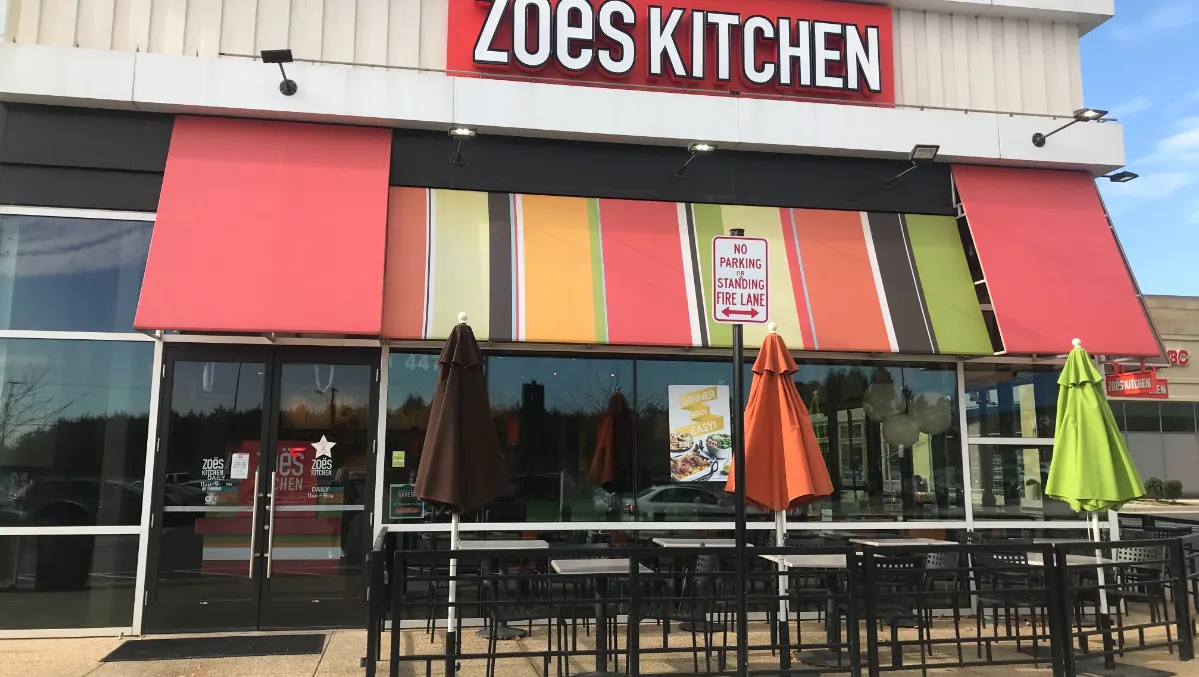
But growth — especially expansion powered by acquisitions like Cava’s purchase of Zoe’s Kitchen or by IPOs — can turn emerging brands into segment leaders and give a durable edge over competitors.
“There's a tipping point in units where suddenly your brand awareness really starts to blossom nationally,” Zackfia said. But catching up to segment leaders typically requires the leader to slip, Zackfia said, rather than for the competitor to simply execute.
“You have to keep moving forward. You have to go under the assumption that the competition is always getting better, and just to maintain the gap,” Zackfia said, citing the erosion of Starbucks’ market share over recent years, which has opened the door to both company-operated and franchised rivals, like Dutch Bros and 7 Brew.
Unit economics and scale favor larger systems
Good franchisees, Zackfia said, often outperform corporate systems in terms of unit economics. But in aggregate, corporate performance tends to have less variability in the drivers of unit sales: customer experience and reliability.
“There's always a bottom of the bell curve, as well,” Zackfia said. “And that's not to say there's not some range involved in corporate. It's just a narrower range in terms of the quality and predictability of the experience.”
Wasilefsky echoed this, noting that large franchisees approach the level of support offered by corporate-owned models. Smaller operators often lack the experience and the resources to execute at the same level as corporate-owned stores, Wasilefsky said. It takes time and growth to accrue those advantages.
Even at some very successful fast casual franchised systems, unit volumes may be higher at corporate-owned units, Wingstop’s company-operated stores had an average unit volume of $2.5 million, compared to $2 million for the overall system, according to the chain’s most recent earnings call.
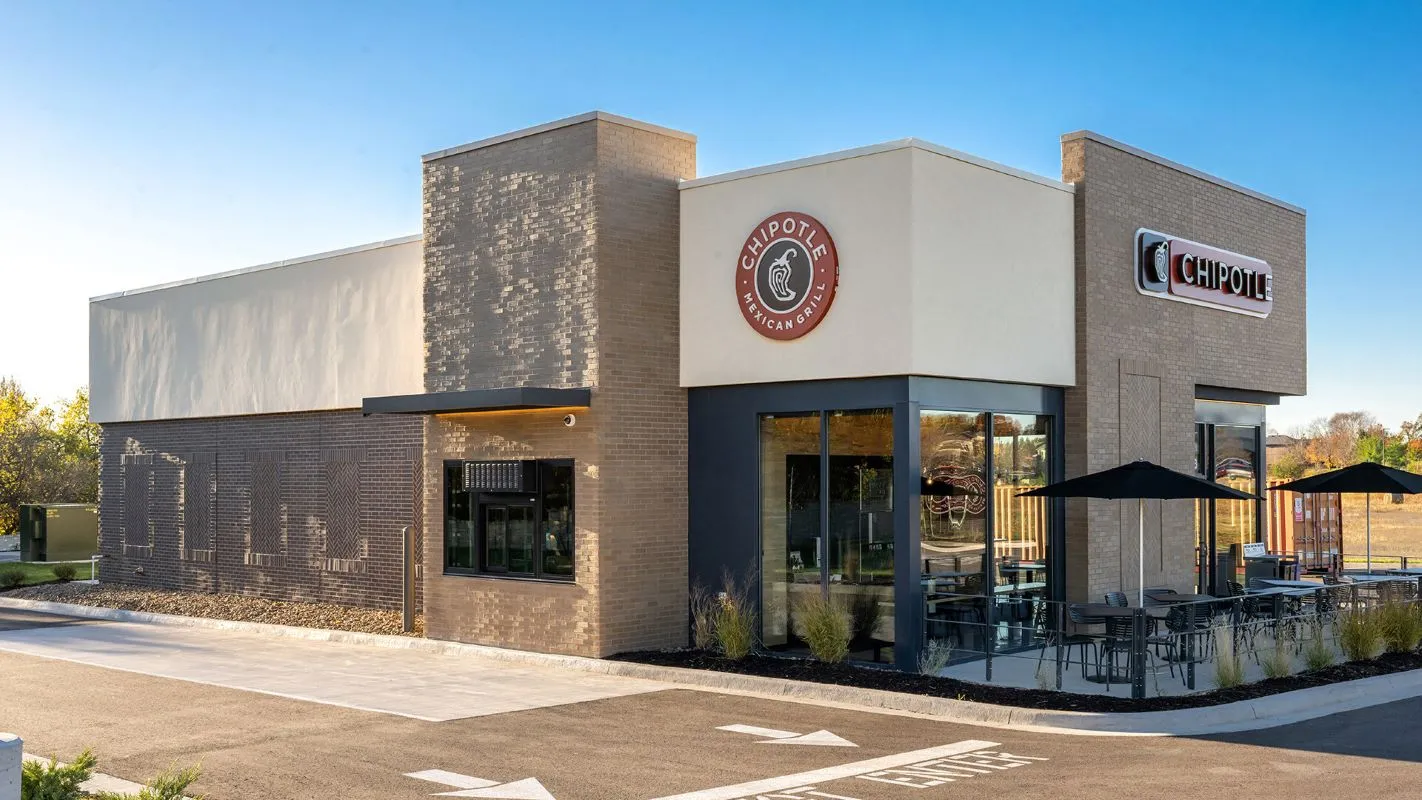
Zackfia said that differences in models and in daypart emphasis can contribute to the performance of company-operated models. Brands like Cava and Chipotle, she said, “have very high throughput peaks, and having control of the labor helps them achieve those high throughput numbers during peak.”
For example, Chipotle spent much of 2024 generalizing the expeditor position throughout its system, leading to an increase in throughput and sales during key hours.
By contrast, control over employment is fragmented in franchised systems, at times down to individual operators. Because the labor deployment in these systems is not centrally determined, adding new positions can require more time and the buy-in of franchisees. This can make it harder for franchised systems to adapt quickly to competitive pressures.
“If you don't get as many people through the line, you probably lose sales,” Zackfia said. “That's part of why both of those concepts have chosen to own the labor and not franchise.”
Zackfia noted other fast casual concepts — especially franchised sandwich chains like Jersey Mike’s — have different labor models that require less fine-tuned corporate intervention.
But a combination of experience and control can help company-models drive stronger sales than competitors. Those factors can help explain why Cava and Chipotle are seeing AUVs around $3 million, while competitors, like Taziki’s and Qdoba, are in the lower $2 million range.
Unit volumes fuel a cycle of development, Tolivar said. Cava’s strong cash flow — buoyed by the fact that the company, rather than franchisees, reaps the rewards of its unit volumes — is the key to financing its unit development.
“We spend about $1.375 million — net of tenant improvement allowance — to get a restaurant ready for operations,” Tolivar said. “The design and the construction and the kitchen equipment and everything else — furniture and fixtures technology needed to support the restaurant — we use our balance sheet to support that.”