In 2025, menu innovation and limited-time offers played an important role in the strategy of many restaurant brands, as companies sought to leverage novelty to win price-sensitive consumers. Sometimes these ploys succeeded spectacularly, especially when combined with value plays.
But not always.
Several major players added new menu items or tried supplier partnerships that failed, fell through or were met with lackluster consumer reception this year. Often, these menu missteps reflected strategy issues rather than flavor problems: new dishes often complicate operations, and efforts to expand across new dayparts are always risky. In other cases, menu moves at major brands were too successful with customers — value meals can sometimes erode margins and burden balance sheets.
Take a look back at four of 2025’s biggest menu failures and subsequent reversals.
The short life and hard death of Sweetgreen’s Ripple Fries
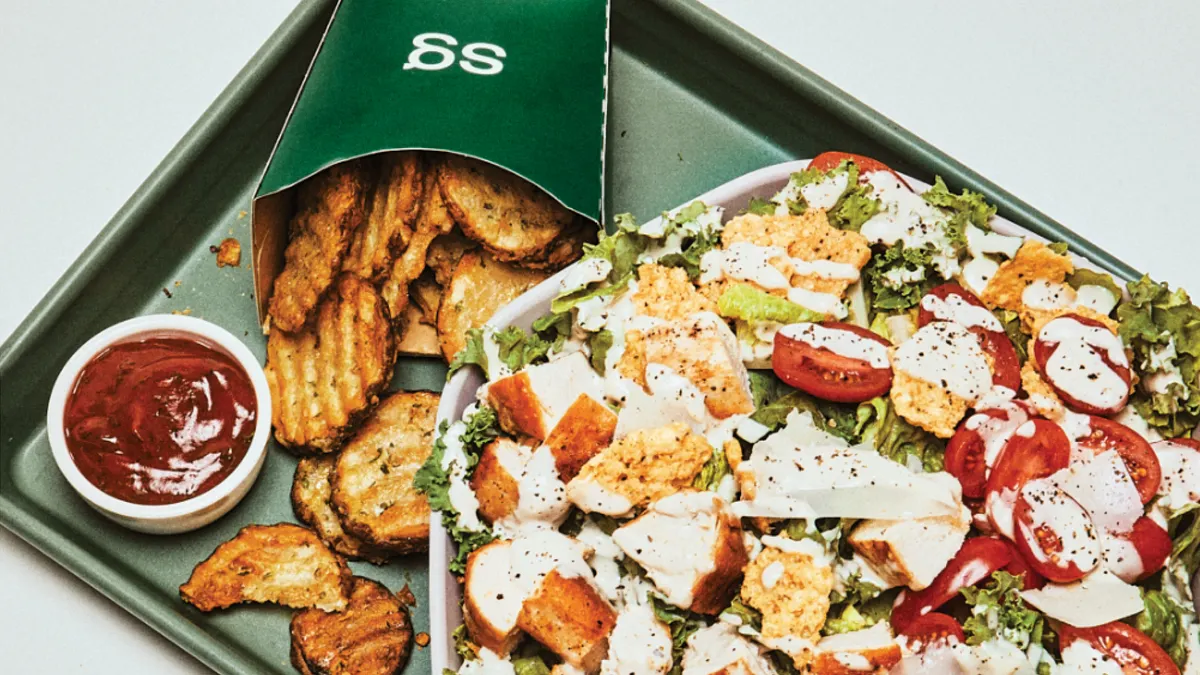
On March 4, Sweetgreen debuted Ripple Fries, a crinkle-cut french fry air-fried in avocado oil. The Ripple Fries were designed to capture all the manifold consumer trends of 2025: premium ingredients, a twist on a classic, indulgence aligned with health perceptions — the press release even emphasized that they were not made with seed oils, ingredients targeted by the “Make America Healthy Again” movement.
Sweetgreen’s cofounder and chief concept officer, Nicolas Jammet, said the fries would play a role in “redefining what fast food can be.”
At first, it seemed like they might. On the chain’s Q1 2025 earnings call, CEO Jonathan Neman was effusive in his praise for the menu item.
“Ripple Fries are a category-defining side that’s both craveable and aligned with our commitment to clean, elevated food,” Neman said. “Ripple Fries drove same-store sales improvement in March. They have become our most attached side item across channels, helping to lift overall ticket averages and broaden the meal experience.”
But after five months, more than $26.4 million in operational losses and a 7.6% decline in same-store sales after the launch, Neman announced the end of the Ripple Fries era.
The problem wasn’t consumer backlash, taste or supply chain snafus, but something more prosaic. The fries were difficult to integrate into Sweetgreen’s existing culinary processes.
“We realized that it became a complexifier for us delivering on our core. So one of the other big changes we've made is starting next week, we will be discontinuing Ripple Fries in order to focus on our core,” Neman said on the Q2 earnings call.
When the chain tested discontinuation of the fries, it saw significant improvements in customer satisfaction and workers were able to focus on making core products.
Krispy Kreme and McDonald’s broke up at the altar
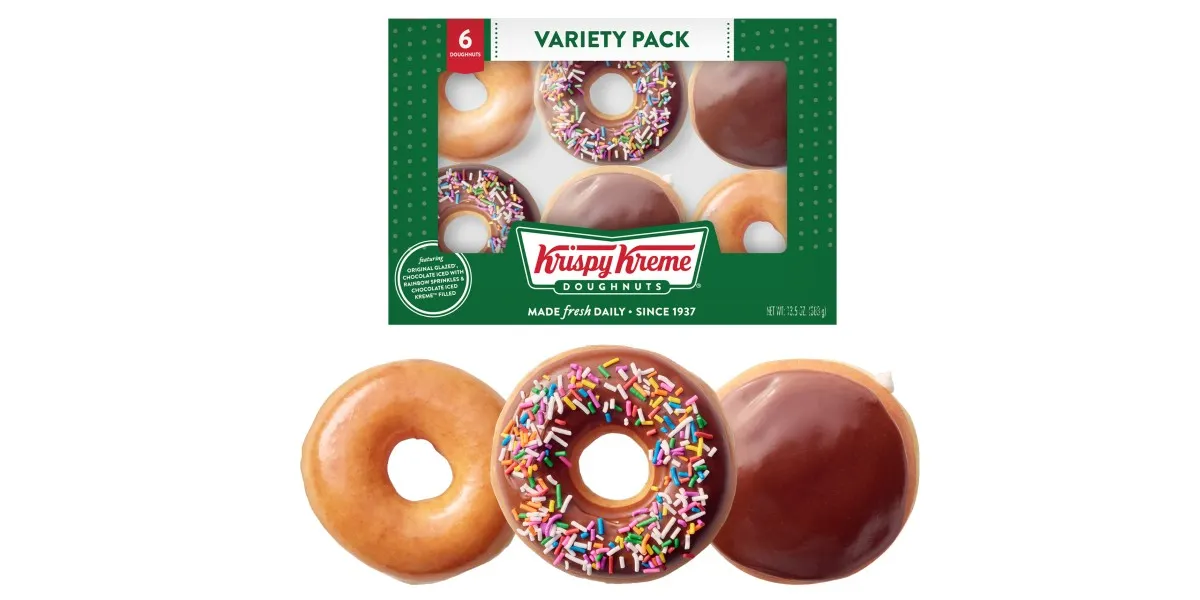
2025 was set to be the year the Golden Arches began serving glazed, glistening, golden doughnuts from many of its 13,000 stores. The chain has a hole in its menu left by the end of the McCafe bakery lineup, and as late as February the chain was expanding its partnership with Krispy Kreme into new markets. The 2026 deadline for the integration’s national rollout seemed in sight.
Again, the initial results were good: “sales started strong with the local marketing,” Krispy Kreme CEO Joshua Charlesworth told analysts in May. “And then they dropped below what we were expecting once that had passed.”
But the channel’s profitability did not meet the companies’ expectations.
In May, the doughnut maker paused the program’s expansion and began “reassessing our deployment schedule together with McDonald's, while we work to achieve a profitable business model for all parties,” Charlesworth said.
In June, Krispy Kreme said it would end the sale of doughnuts through McDonald’s altogether — eliminating about 2,400 points of distribution from its system.
On an August earnings call, Charlesworth said “our efforts to bring our costs related to the partnership in line with unit demand were unsuccessful, making it unsustainable for us.”
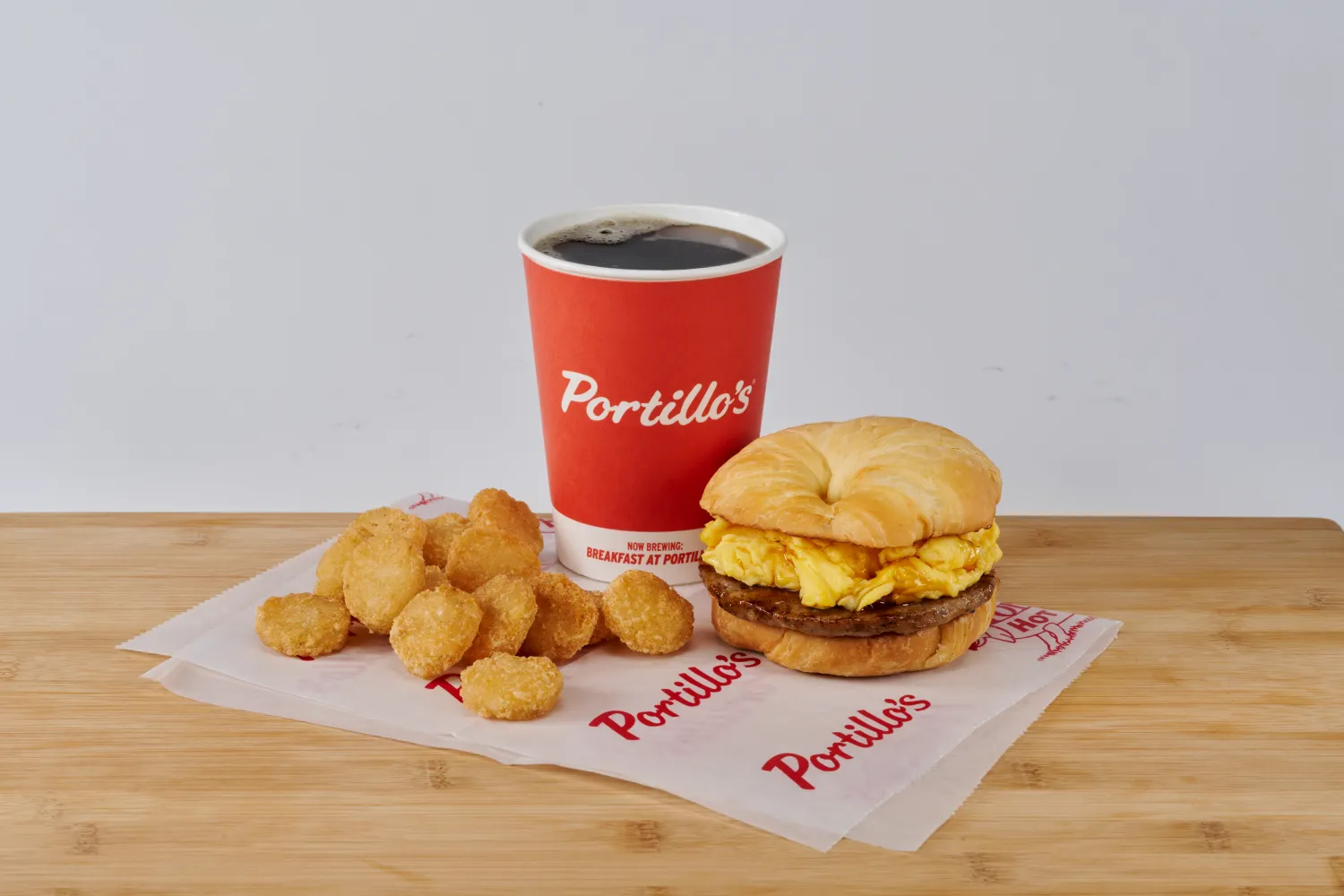
Breakfast was a bridge too far for Portillo’s
In April, Portillo’s began to test breakfast at several Chicago-area locations, with the daypart stretching from 6:30 to 10:30 a.m.
In June, the chain said it was expanding the test and adding new menu items to the breakfast daypart.
Again in August, then-CEO Michael Osanloo was bullish on the test, saying it was “going as well as I could have hoped. It appears that it is incremental. It appears that our guests really love it. And it's not negatively affecting — in any way — our lunch or dinner business at those restaurants, either in terms of guest satisfaction or sales.”
But come September, Portillo’s announced that it was ending the breakfast program and slowing its pace of projected openings. Ending the breakfast pilot was part of an attempt to simplify operations.
Less than two weeks later, Osanloo, a seven-year veteran of the brand, resigned his post as CEO.
Denny’s $2, $4, $6, $8 menu offered too much value
Not all of this year’s restaurant menu mishaps hinged on the complex addition of new items and processes. As competitive pressure on value mounted and brands faced consumer pullback, many resorted to value plays. For Denny’s, that included the episodic revival of its $2, $4, $6, $8 value menu.
CEO Kelli Valade described that menu on the chain’s Q2 2025 earnings call — its last as a public company — as an entry in the everyday value category. Similar moves into everyday value by competitors like Chili’s and Applebee’s had revived same-store sales.
On the chain’s Q4 2024 earnings call in February, Valade said the $2, $4, $6, $8 value menu was “engineered as a consumer friendly, traffic-driving platform that’s also profitable for our franchisees and our system. This brand differentiator was an instant hit and continues to perform well because our guests recognize and appreciate the great value we are providing to them.”
But the brand had a problem. Consumers could combine elements of the $2, $4, $6, $8 value menu in a way that undercut the pricing of combo meals and more complex menu items.
“They were hacking our value,” Valade said on the Q2 earnings call. “Hence us coming in with the LTO approach around our Slams this summer.”
Denny’s pivoted to offering combo meals — called Slams — at value price points for a limited time.