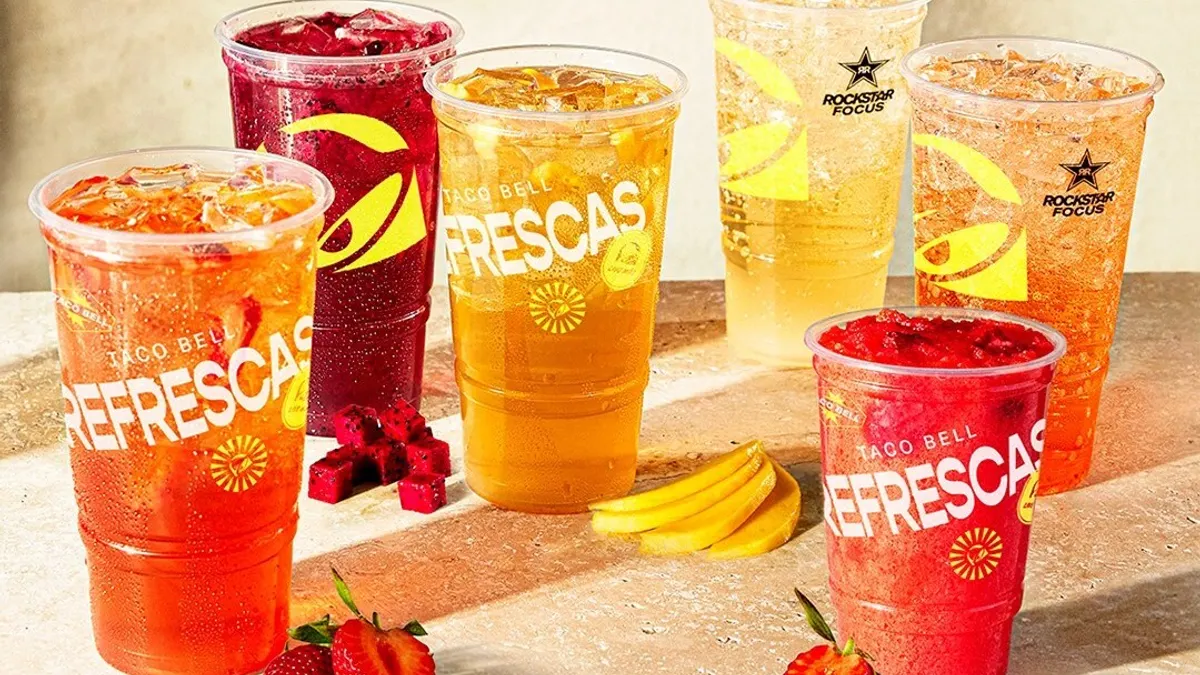
After a banner year in 2025, restaurant beverages are still poised for more growth. Consumer demands — specifically desire for energy, photogenic drinks and impulse treats — that have driven the category’s expansion over the last decade are continuing, and major fast food chains are testing new drinks and concepts. Consumer customizations and viral social media recipes are pushing brands to bring off-menu items front and center, as well.
At the core of these trends is a long-term shift to cold, premium drinks — often caffeinated and sugary — including refreshers, energy drinks, premium teas, cold brew coffees and a host of frozen, blended beverages. Caffeinated beverages are driving much of the ongoing beverage boom, said Mark Wasilefsky, head of restaurant franchise finance at TD Bank.
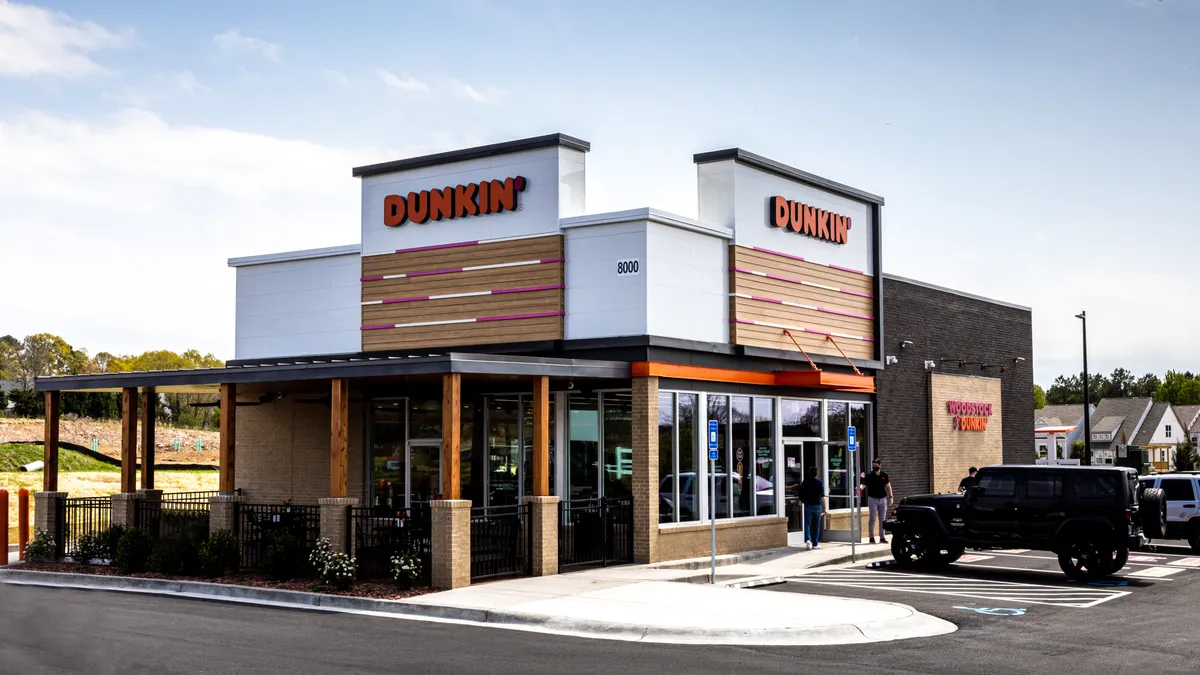
“I don't think there's any stop to that. I think the market is huge,” Wasilefsky said. “Dunkin’ is coming out with a whole new suite of cold caffeinated drinks. I mean, they see it coming.”
Major brands are betting big on beverage spending. Chick-fil-A opened the year strong with the addition of two new beverage categories, Floats and Frosted Sodas, to its core menu. The move signals that the sugary drink gold rush is far from over for QSRs — Taco Bell wants to generate $5 billion in annual beverage sales by the end of the decade.
Craft experiences can grow QSR, casual sales
Beverage brands have been insulated from consumer pullback. Lower-income and younger diners, whose retreat from discretionary spending hurt brands like Sweetgreen, have remained consistent beverage drinkers, said Sharon Zackfia, a partner and group head of consumer at William Blair.
“Beverage [brands] had the best comps in ‘25 and I don't see any reason why that wouldn't continue into ‘26,” Zackfia said. Dutch Bros and Black Rock Coffee, for instance, saw much stronger comps than publicly traded fast casual brands. In Q3 2025, Dutch Bros had a 5.7% increase in same-store sales, and Black Rock recorded a 10.8% jump in the same metric, compared to a 9.5% decline for Sweetgreen.
Alex Wood, a managing director at KPMG, said restaurant brands will use beverages both to create occasions and to set themselves apart from competitors. New flavors and attractive price points can also help drive attachment with orders and consumer frequency.
“If you can show the consumer that you're putting the love and care to put [drinks] together and make it an experiential consumption activity, it creates stickiness beyond just the individual drink,” Wood said.
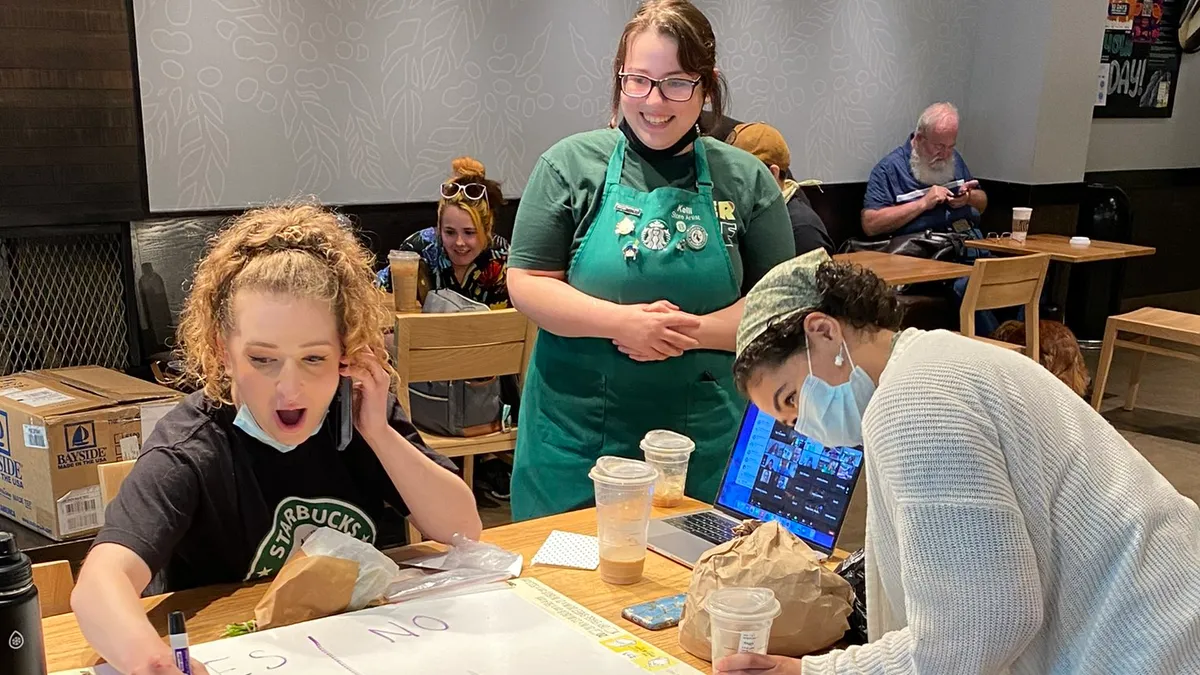
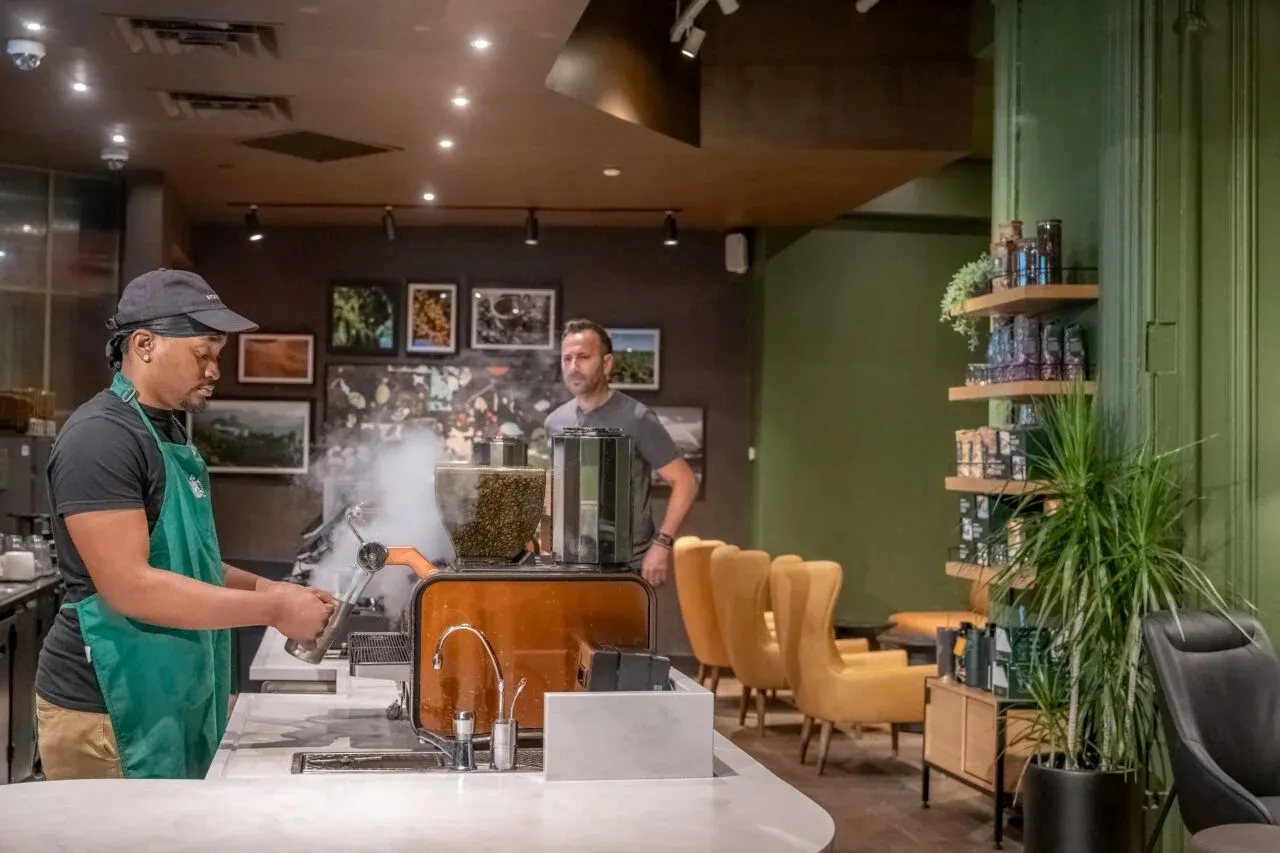
Starbucks has made significant investments in improving its on-premise ambiance, in one early sign that some major brands see the store experience as a key part of beverage growth.
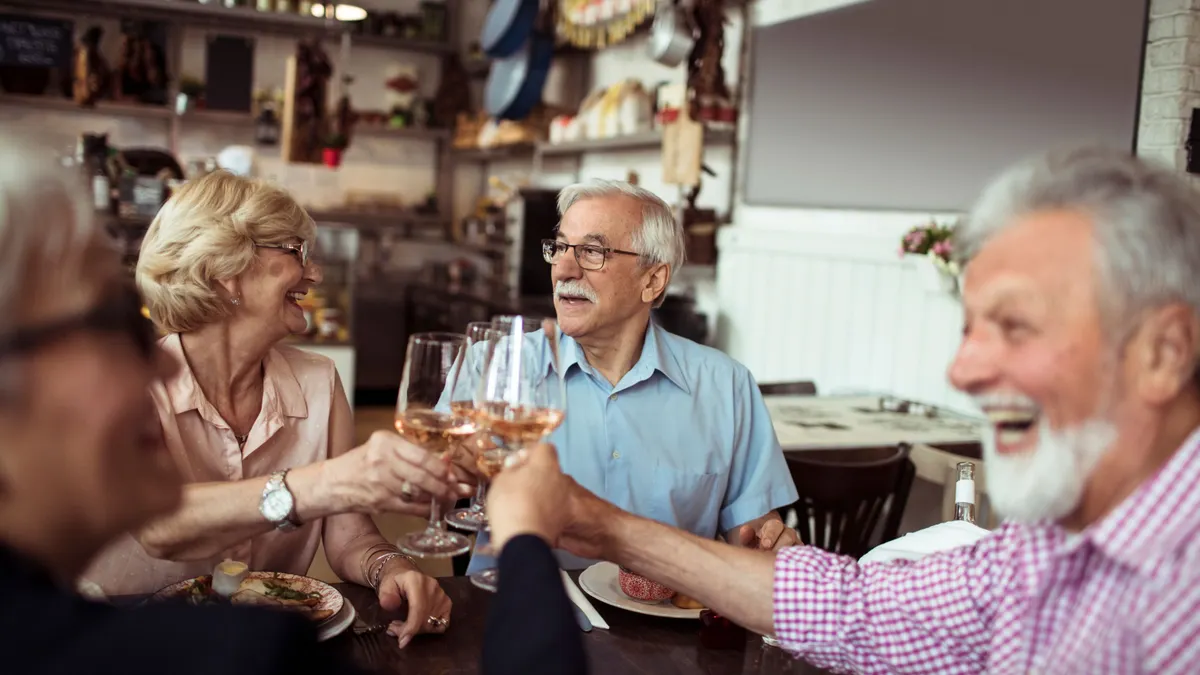
The expansion of premium drinks has been most evident in the QSR sector, but Zackfia said she expects full-service restaurants to start to catch up on beverage innovation. Casual and full-service brands have seen a long-term, gradual decrease in alcohol consumption, and a shift toward premium, non-alcoholic drinks could help make up for the loss of boozy occasions.
Zackfia said that adding premium beverages might actually be easier for full-service concepts than for QSRs, since full-service restaurants tend to have bars. So far, however, QSRs have been more aggressive in adopting such drinks.
“I've actually been surprised that full service hasn't done more innovation in non-alcoholic beverages, but I think you know that there's been a wake-up call, and that's something I expect to see more of in ‘26,” Zackfia said.
Over the last few years, more restaurant chains have looked to low- or no-alcohol drinks as places for menu innovation. Fogo de Chão, for instance, added low-proof spirits as part of its bid to draw younger diners in 2023. Angry Crab Shack is creating non-alcoholic versions of its most popular cocktails to capitalize on the sober trend among some consumers. Red Lobster has a mocktail category on its menu. In 2024, Peet’s Coffee included mocktails and cocktail-inspired drinks in its seasonal, limited-time offerings.
Diners put a premium on healthy, non-alcoholic drinks
Non-alcoholic beverages — specifically drinks that fill menu niches typically populated by cocktails, beer or wine — align with another major trend: health and wellness.
Ashley Lam, vice president of marketing at Perricone Farms and Natalie’s Juices, said the shift toward sobriety is a structural change.
“Elevated mocktails and being ‘sober curious’ is not just a passing fad,” Lam said. “It's growing and maturing.”
The maturation of the mocktail market means consumers and operators alike are looking for recognizable ingredients that add complexity and texture to drinks. Lam cited tangerine, pineapple, beet and kale-juice blends as ingredients that make for healthier, but more premium, drinks.
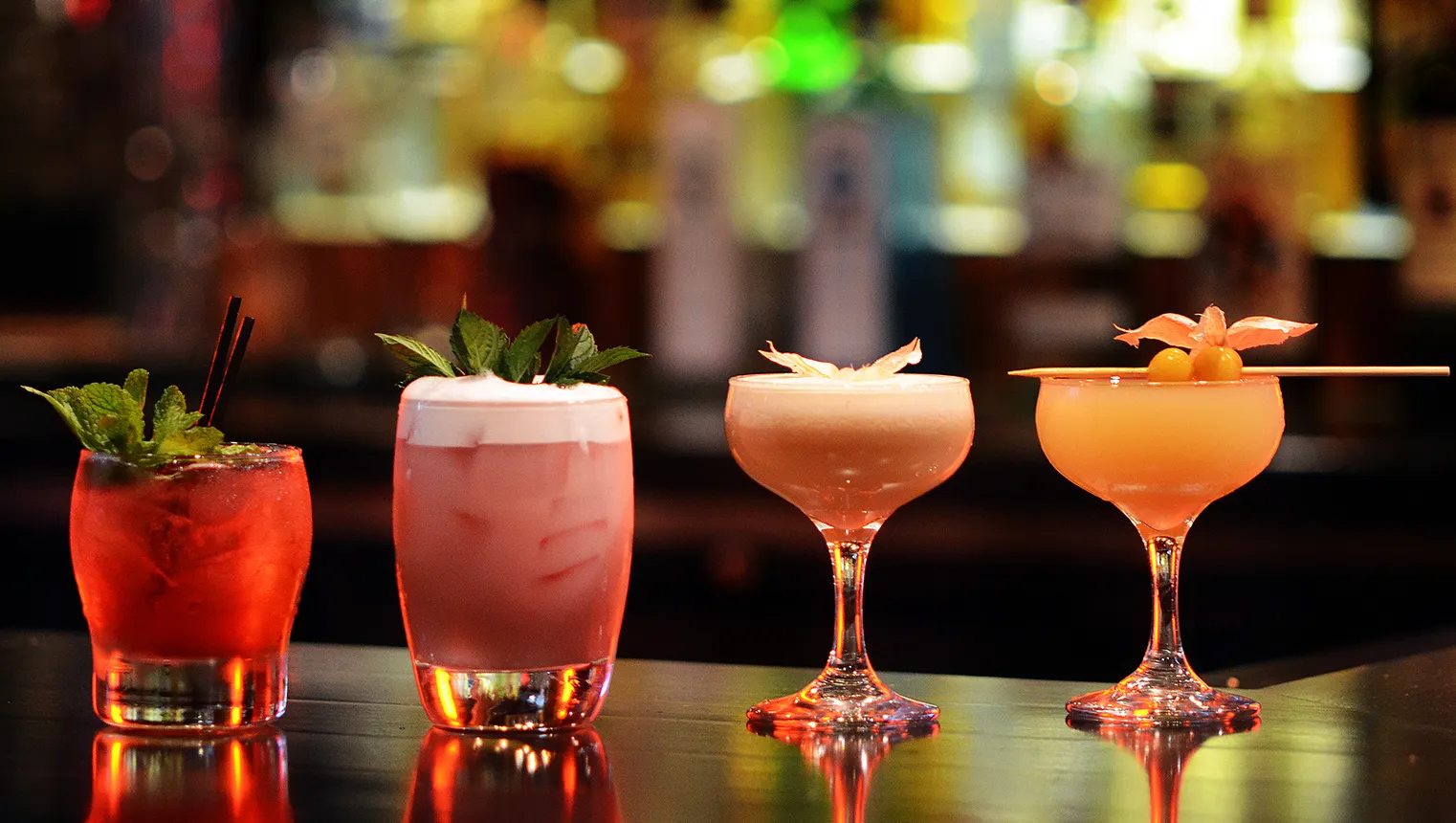
Wood said brands that have a strong consumer base in upper-income tranches have seen a lot of interest in premium mocktails, and consumers are willing to pay a high price for that perception of health when combined with a full-service experience.
At the lower end of the restaurant pricing scale, beverage menu design has seen brands add protein to drinks in the hopes of wooing health-conscious consumers. Dunkin’ started 2026 out by adding protein milk to its permanent menu, for example.
But Lam said that just adding protein to a drink to make it a “functional beverage,” might not work to persuade consumers. Instead, consumers are likely to favor quality and recognizable ingredients when seeking premium beverages.
“Function now needs to be backed by real ingredients and great taste,” Lam said.
Energy drinks
Caffeine consumption, a major driver of the beverage sector’s growth for years, is undergoing its own change. While cold brew shifted the coffee landscape dramatically over the last decade, new caffeinated platforms are offering consumers ways to get the stimulant without the bitter brew. Energy drinks — cold, caffeinated, sugary and sometimes carbonated — are seeing growth in share, including at coffee chains themselves.
“The way you deliver the caffeine is expanding in many, many different directions,” Wasilefsky said. “It's really not just coffee.” 2026 is poised to be a banner year for energy drinks platforms, he said, adding that these drinks are growing faster than coffee.
RJ Hottovy, head of analytical research at Placer.ai, said the expansion of energy drinks in restaurants has helped propel the growth of emerging beverage brands, including those that focus on coffee.
Fuel, Black Rock Coffee’s energy platform, accounted for about 20% of the brand’s product mix in recent years, said Mark Davis, the chain’s CEO. But new additions, namely Frozen Fuel, a Slurpee-like version of the energy drink, have led to substantial growth in its sales mix.
“We're pushing upwards of 24% [of the sales mix] is energy,” Davis said.
Coffee accounts for 55% of the company’s sales mix, down from 60% before the launch of Frozen Fuel. That growth hasn’t come at the expense of coffee, however, Black Rock’s same-store sales and unit volumes have grown, indicating the new beverages are creating new occasions.
Other chains are on the energy drink train, too — Wendy’s added several energy drink options to its Coke Freestyle machines earlier this year. In October, Panera added energy refreshers as a menu category. The drinks avoid some of the flavor limitations of coffee, while still offering a caffeine boost.