
When Americans are deciding where their next meal will come from, nutrition matters, but it’s just part of the equation. About half of U.S. adults say healthiness is important when choosing their foods, according to Pew Research, but taste and cost matter, too.
“Consumers are looking for freshness, quality and ingredient integrity across everything they eat. It’s almost expected now,” says Chef Yury Krasilovsky, culinary innovation manager with Good Foods Group. “But, as always, great flavor is key, and so is price point.”
For restaurant operators, that creates a balancing act: how to deliver on evolving health expectations without sacrificing craveability or margins.
As foodservice brands navigate that pressure, along with other barriers, such as inflation, rising fuel costs and labor challenges, they’re continually searching for lower-cost options that will draw in new customers and keep the regulars coming back. Those who can deliver food that’s affordable, craveable and better for you may be closing in on the industry’s holy grail.
Leading with Flavor
The meaning of “better for you” varies from person to person. Some consumers are seeking more protein and fiber; others want items that are free of seed oil; and many people want a meal that balances indulgence with nutrition. Because of that, it’s important that restaurants are transparent about what’s in their food so patrons can draw their own conclusions.
“Consumers have a lot of knowledge, and they want to know what they’re putting in their bodies,” says Krasilovsky. “The freshness and the quality of ingredients truly do matter, and a lot of restaurant chains are being pushed to find their footing and make products that fit into this space.”
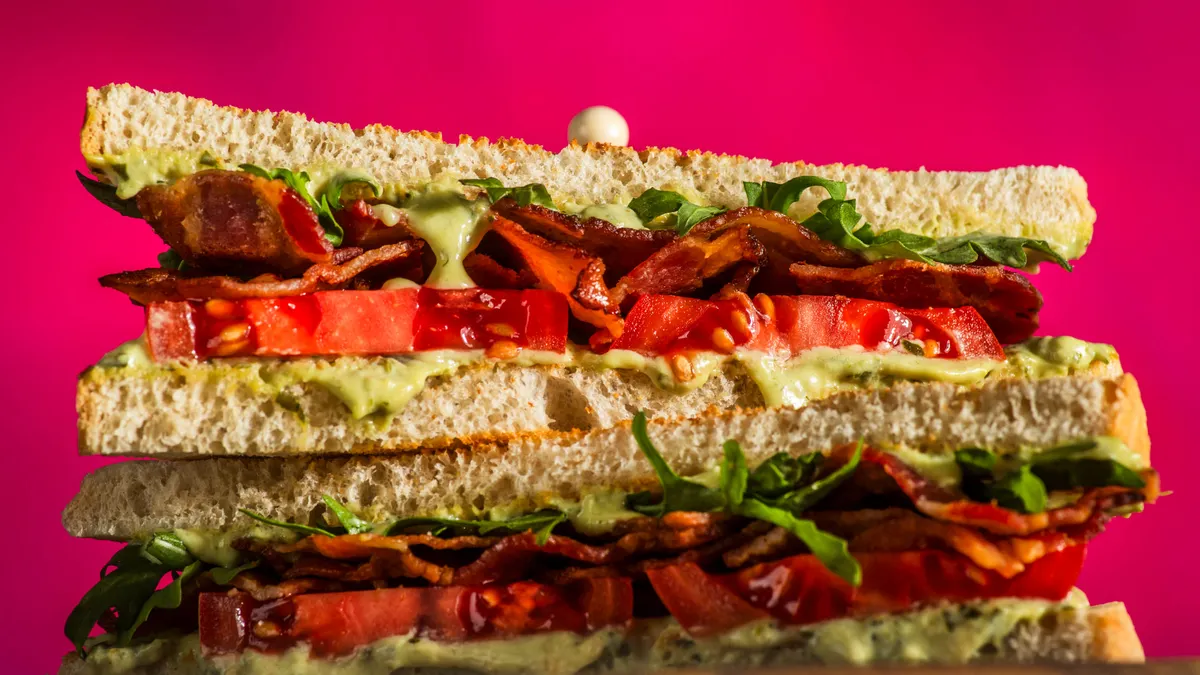
Adding a fresh spread or topping to a menu item could be a great way to give it a better-for-you makeover that generates buzz and draws in new diners. Recently, a quick-service restaurant ran a limited time offer for a chicken sandwich topped with a Mexican-Style Street Corn Spread, made with plump kernels of corn, colorful cilantro and peppers. The promotion was a runaway success, says Krasilovsky.
“You get the flavor, the texture, the freshness of those ingredients in a way that you never would have expected on a sandwich,” he says. “It brought a lot of great attention and opportunities for the business to grow their customer base.”
Simplifying Better-For-You Menu Upgrades
Wraps, bowls, salads, sandwiches, soups and tacos are all popular fare that could potentially lean towards the healthier side of the menu. That is, unless they’re loaded with ultra-processed ingredients.
“There are a lot of sauces and dressings out there that are made with water and oil seasonings, and they’re full of preservatives,” says Adam Isaacs, senior director of foodservice for Good Foods Group. Often, he says, restaurant operators default to those options because they’re inexpensive, readily available and require no additional prep. But when operators save on time, labor and complexity, their customers often lose out on taste.
One solution, Isaacs says, is to partner with a supplier that makes dressings, sauces, dips and spreads without preservatives, instead using real herbs and vegetables that can add exciting tastes and textures to existing menu items. Good Foods Group, for example, makes its products using high pressure processing, which is a cold-water technique that keeps food safe and flavorful without using any chemicals or preservatives. Because the items are prepared, they deliver fresh flavors without adding a lot of complexity — or cost— to the operation. A prep team can easily upgrade ordinary menu items with real ingredients and bold flavors by dolloping Chunky Guacamole atop baja fish tacos, serving Caramelized Onion Gruyere Spread as a dip with wings or drizzling Aji Verde Sauce on a breakfast wrap.
When Krasilovsky thinks about the concept of better-for-you sauces, his mind goes to flavor-forward items such as Strawberry Habanero Sauce. “The base of the sauce is beautiful. The flavor components, from spice to sweetness, really help elevate your baseline recipes, whether it’s on a taco or a salad.”
Flavor is and always will be essential to winning new and repeat business. But as awareness grows and expectations evolve, taste alone won’t suffice. When operators prioritize high quality, fresh ingredients, they’ll stand out from the competition. That’s why today, the better-for-you items are no longer confined to a separate section of the menu; They’re expected across it.
Or, as Isaacs puts it: “Better-for-you is really about real food made with recognizable, real ingredients.”
Learn more about how operators are incorporating fresh, better-for-you flavor ingredients into their menus.