Dive Brief:
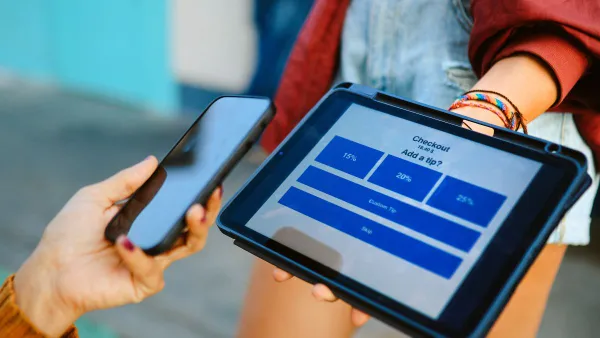
- Consumers are pulling back on tipping, particularly at limited-service restaurant concepts, according to a Popmenu survey of 1,000 U.S. consumers.
- The survey found that 35% of consumers say they’ve reduced how frequently or how much they tip at restaurants in 2026.
- Forty-two percent of consumers say they’d feel comfortable skipping tips on some services according to the report.
Dive Insight:
Brendan Sweeney, CEO and co-founder of Popmenu, attributed the pullback to guest “fatigue” with tipping and consumer price sensitivity.
“[Fatigue] is compounded by customers having less disposable income due to inflated costs for food, energy and other necessities. Restaurants and other industries need to work even harder to drive more traffic through their doors and ensure workers earn what they need,” Sweeney said in the press release.
The size of tips is also falling, Popmenu found. The number of consumers who say they tip servers 20% or more declined from 45% in September 2025 to 41% in March of this year.
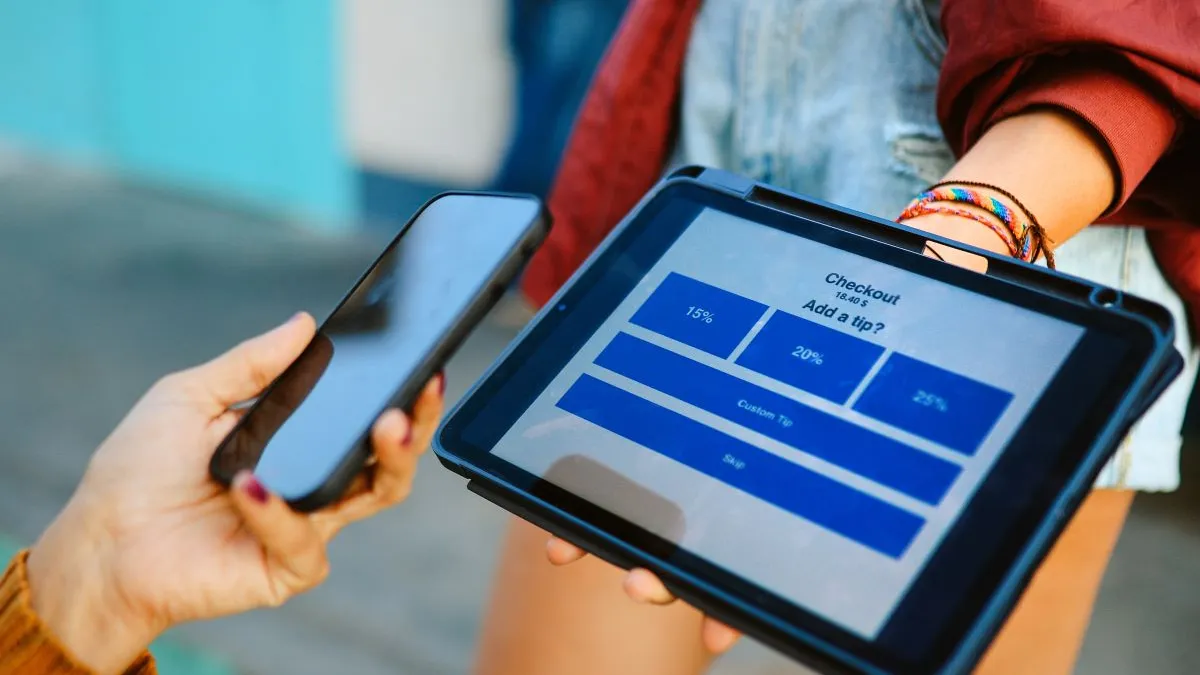
Consumers are pulling back on tipping across limited service segments.
The decline in large tips was greater for delivery orders, which often have associated fees or other costs. Last September, nearly a quarter (23%) of surveyed consumers reported tipping delivery drivers 20% or more. Comparatively, 15% of consumers report tipping at that level on delivery orders in March.
Popmenu also tracked tipping on online pickup orders directly. The percentage of takeout orders on which consumers tipped has fallen significantly over several years, down to 62% in 2026 compared to 78% in 2022.
Reduced tipping is an obvious way for consumers to manage their check sizes and conserve disposable income. Rather than impacting restaurants, as an absolute decrease in transactions would, workers bear the cost of tipping fatigue.
However, the severity of tipping fatigue seems to be concentrated in sectors, like limited service and coffeehouses, where workers tend to earn a full hourly wage, rather than a tipped subminimum wage. A combined 70% of consumers reported tipping servers at least 15%.