Dive Brief:
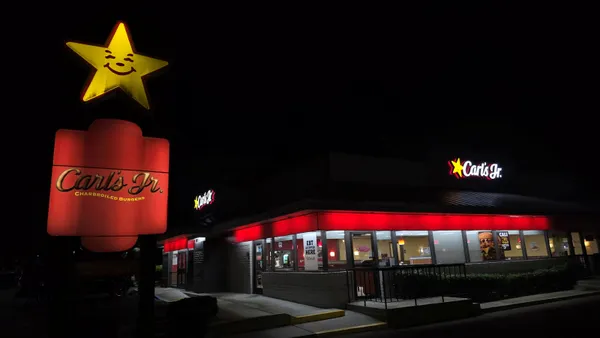
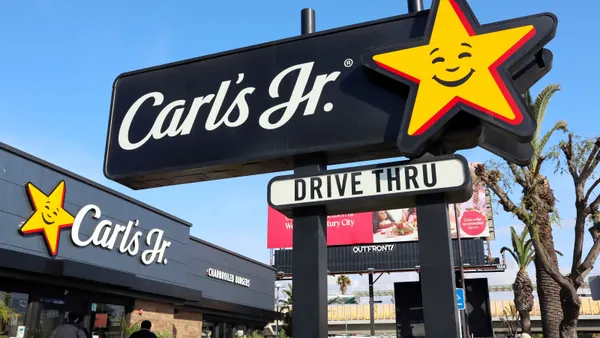
- Carl’s Jr. operator Friendly Franchisees Corporation said California’s $20 fast food sector minimum wage was one of the reasons that it ended up in financial distress ahead of its April Chapter 11 bankruptcy filing, CEO and Founder Harshad Dharod said in a court filing under subsidiary Sun Gir.
- This minimum wage increase, which went into effect in 2024 in a political compromise between organized labor and the restaurant industry, “materially increased operating expenses,” Dharod said.
- At the same time, the operator also saw sales decline, which Dharod attributed to “reduced marketing effectiveness” and a “lack of innovation at the franchisor level.” He added that competition has increased in the QSR segment, and executive turnover at the franchisor led to operational challenges.
Dive Insight:
The macroeconomic implications of the wage deal, which replaced a different California law that would have mandated an even higher sectoral wage, are not clear. While proponents of the wage level claim it has little impact, critics claim the law has resulted in lower hours and higher menu prices.
However, the implementation of the wage increase has coincided with a period of significant price sensitivity among U.S. QSR consumers impacting brands nationwide. Carl’s Jr.’s total consumer spending dropped 4% in 2025, according to a Circana report.
Sun Gir, which operates 52 locations in Southern California and seven locations in Northern California, said it has been generating “substantial revenue,” according to a court filing seeking the use of cash collateral.
During the first three months of the year, the operator made $19.9 million in net sales, equating to $6 million to $7 million in revenue monthly. Despite this revenue, the franchisee has “significant ongoing operating expenses,” and generated a net loss of $2 million during this same time period.
The company is in default of its franchisee agreements at a number of locations, because of a “failure to timely pay rent, royalties and other required charges,” per a court filing. These defaults could result in the termination of those agreements, which would cost Sun Gir the ability to operate and generate revenue.
The company said it would use cash collateral to complete payroll for about 1,000 employees, purchase food and inventory, pay rent and insurance and complete obligations under its franchise and lease agreements.