ORLANDO, FLORIDA — Fat Brands ended the year ensnared in a financial ultimatum with little means of escape. Creditors asked for an immediate repayment of another $169 million, and the Fatburger owner didn’t have the cash on hand to pay it down. The situation looked dire, as Fat’s debt totals $1.3 billion. In November, the company said it was at risk of bankruptcy.
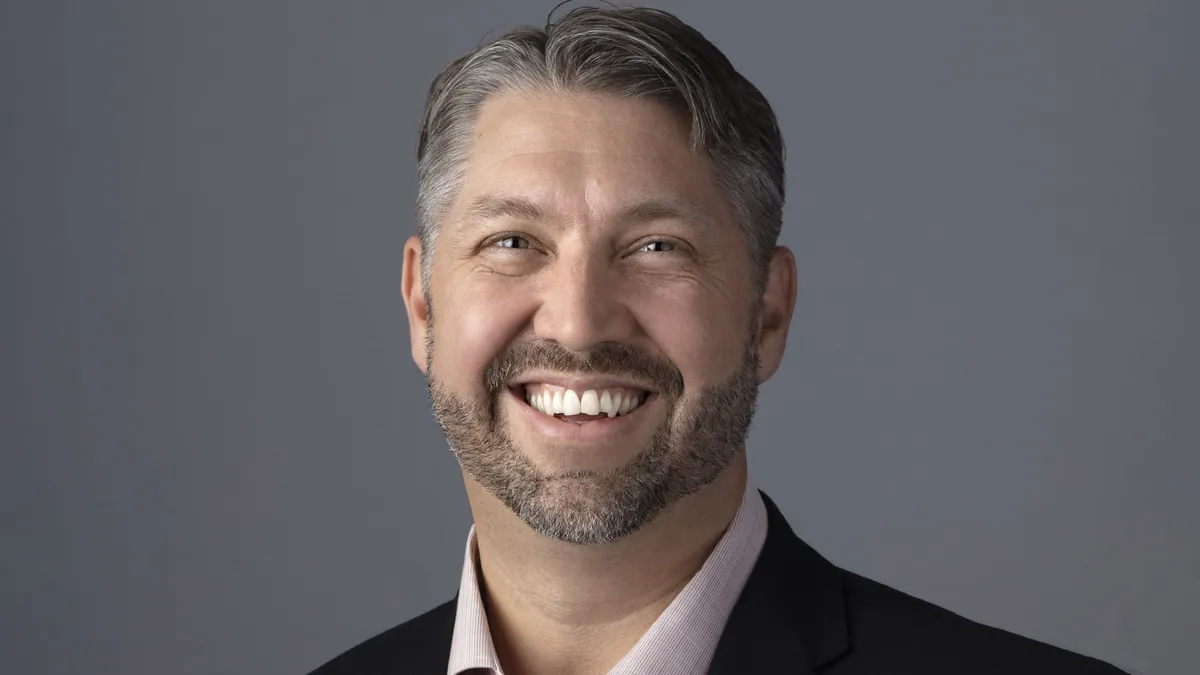
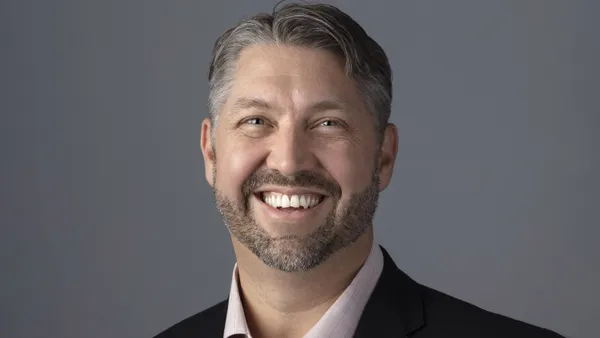
But Fat Brands CEO and Chairman Andy Wiederhorn said during the ICR Conference on Tuesday that the company is doing everything it can to refinance and work with creditors to achieve a better debt situation.
“What investors and markets need to understand is that the debt that we’re talking about is actually non-recourse,” he said. “This is all debt at the brand level only, and it’s in five different securitization trusts secured by different brands. Fat Brands doesn't guarantee any of its debt. Twin Peaks doesn’t guarantee any of its debt.”
Non-recourse debt means that a borrower is not personally liable if the loan defaults. While a lender can seize profits, it can’t go after a business owner’s personal assets. However, non-recourse debt typically has higher interest rates because it comes with a higher risk for the lender.
Fat originally issued the debt in 2021 to make various acquisitions, but did so on an unrated basis, meaning there was no rating agency putting a letter on the quality of the debt, Weiderhorn said. After 2022, Fat saw an opportunity to get its debt rated, which would lower the cost of debt by about 3% and improve the business cash flow, Wiederhorn said.
The plan was also to raise equity and pay down some debt in 2022, but interest rates went up 550 basis points and equity all but disappeared for restaurants, he added.
“Refinancing the debt didn't make sense, because on a rated basis, it would be more expensive than where we locked in,” Wiederhorn said. “So we had to ride that out a little bit.”
The company ended up just paying down interest and a little bit of principal. But as interest ratcheted up because of Fat’s inability to refinance, it saw a bigger drain on company capital. The government investigation into fraud allegations against Fat and Wiederhorn also cost the company $75 million, Wiederhorn said. Those allegations were dropped by the Department of Justice last year.
“All of that led into a number of conversations,” Weiderhorn said. “We’ve been talking about restructuring this debt for 18 months to two years with our debt holders … but it wasn’t a very constructive negotiation.”
Fat also spun off Twin Hospitality last January into a separate public company to help raise equity and pay down debt. In the company’s third-quarter earnings release, CFO Ken Kuick said that the company will advance plans to raise $75 million to $100 million in equity under Twin Hospitality to help pay down debt and improve cash flow in the future quarters.
Fat is evaluating different avenues to restructure and lower its debt that would be more practical and “looking for common sense solutions, not technical ones,” Wiederhorn said.
What has been making this process slower than normal is that there are five different loans that have creditors in different positions, meaning there are more parties having to deal with each loan, he said.
“We’re trying to resolve it out of court, but there’s some benefits to resolving in court,” Wiederhorn said, adding that going to court means that not everyone has to agree to make a decision on debt.
“It’s complicated. You see recent restaurant restructurings that have had some really good outcomes, and some that have had some not so good outcomes,” Wiederhorn said.
Outside of its debt position, Fat Brands’ same-store sales were down 3.5% in Q3 2025 across all of the Fat Brands, which include Round Table Pizza, Fazoli’s and Buffalo’s Cafe. But being down 3% isn’t as bad as other brands in this environment, he said. Competitor Jack in the Box posted same-store sales declines of 7% during its fiscal Q4 2025, while Sweetgreen’s same-store sales were down 9.5% in Q3 2025. Fat sold 200 store commitments and opened over 70 stores in 2025, and plans to open another 100 this year.
“The brands are performing pretty well, which is very different from other brands that we witnessed last year go through a transformation where they closed 30% to 40% of stores and same-store sales were off 20% to 30%,” he said.
He noted that the company has about $150 million in revenue and roughly $60 million in free cash flow.
“It’s a really solid business,” Wiederhorn said. “It just needs the debt staff restructured to be affordable.”