Between bankruptcies, store closures and traffic declines, 2025 was a rough year for much of the casual dining segment. But not all chains faced significant headwinds. Chili’s recorded record-breaking same-store sales, and Dine Brands posted same-store sales growth at Applebee’s and reached positive traffic for IHOP for the first time since 2015. First Watch built 64 units, and saw positive same-store sales, while Texas Roadhouse’s streak of success continued.
“One of the things that those big cash flow dining brands proved is that there’s definitely room for casual dining in the industry,” said Victor Fernandez, Black Box Intelligence’s chief insights officer. “I think it’s more than proof that [casual dining] can be a very thriving segment.”
One-third of the brands Black Box Intelligence monitors had positive same-store sales last year, which means a lot more still posted negative comps, Fernandez said. Brands like Bar Louie, Pinstripes, Razzoo’s Cajun Cafe and Hooters were among the casual chains to file for bankruptcy last year.
“Some brands will continue to thrive,” Fernandez said. “Some brands have kind of figured it out and have unlocked their potential, but some are seeing some challenges, and probably we're going to see some closures in commercial locations, and probably some brands that don't make it.”
The top-performing casual chains are expanding their value propositions beyond price, improving on-premise experiences and opening restaurants in second-generation spaces. These strategies will continue in 2026, experts said.
“In general, we’re going to see a little bit of overall softening of performance in casual dining in 2026. Part of it is just economic conditions and part of it is the fact that we are lapping over some crazy high results from a lot of those brands. It’s going to be really hard to put those same numbers up again,” Fernandez said.
Why some brands flailed last year
In the years following the pandemic, casual dining restaurants faced growing demand for off-premise occasions and followed suit by turning portions of dining rooms into staging and pickup areas.
“2020 was difficult for the industry, but you knew what you were fighting, what you were working towards, and that made it clear,” said Matt Eisenacher, First Watch’s chief brand officer. “[Now] we're fighting uncertainty … and so I think that with all the different things at play, and the fact that they're changing on a weekly and monthly basis, absolutely says this period is more transformative.”
But as the industry continues to evolve and diners want more out of restaurants, customer service needs to improve.
“There’s a lot more occasions in places now where your service is not what it used to be. It might be a little transactional,” Eisenacher said. “At the end of the day, [customers] are still looking for hospitality, and they’re looking for a reliable experience.”
Many brands haven’t properly responded to this growing consumer interest in an elevated restaurant experience, Steve Kislow, Firebirds Wood Fired Grill’s CEO, said during an interview at ICR.
“If you haven't evolved, you're getting left behind at this point,” Kislow said of casual establishments.
Brands that focused on minimizing negative experiences and improving execution, food quality and consistency saw improvements in customer satisfaction, Fernandez said.
“It's really a people-driven business at the end of the day, and those that have figured that out and are executing that at a higher level are the ones that are winning even in tough environments,” Fernandez said.
Closures have led to higher performing restaurants
Several casual brands, like Denny’s, TGI Fridays and Hooters, closed locations in the past few years with plans to shutter more. Restaurant industry unit growth in 2025 compared to 2022 was down 3%, Fernandez said, but it’s not all bad news. With 3% fewer restaurants overall, the market does offer some room for chains to replace these closed restaurants.
“It’s also part of the reason why we are also seeing casual dining doing better. The fact that with 3% of locations being closed, those are likely the ones that were underperforming the most [and] were dragging their brands down,” Fernandez said.
Chains are taking advantage of these closures, and brands like First Watch, Darden, Firebirds and Fogo de Chão have aggressive growth plans.
Darden plans to add roughly 20 units to Olive Garden’s footprint over the next few years, and around 30 to Longhorn Steakhouse, CFO Raj Vennam said during the ICR Conference.
“We are at a place where we can at least, for the next five, six years, see that 3% to 4% unit growth being reasonable [and] achievable,” Vennam said.
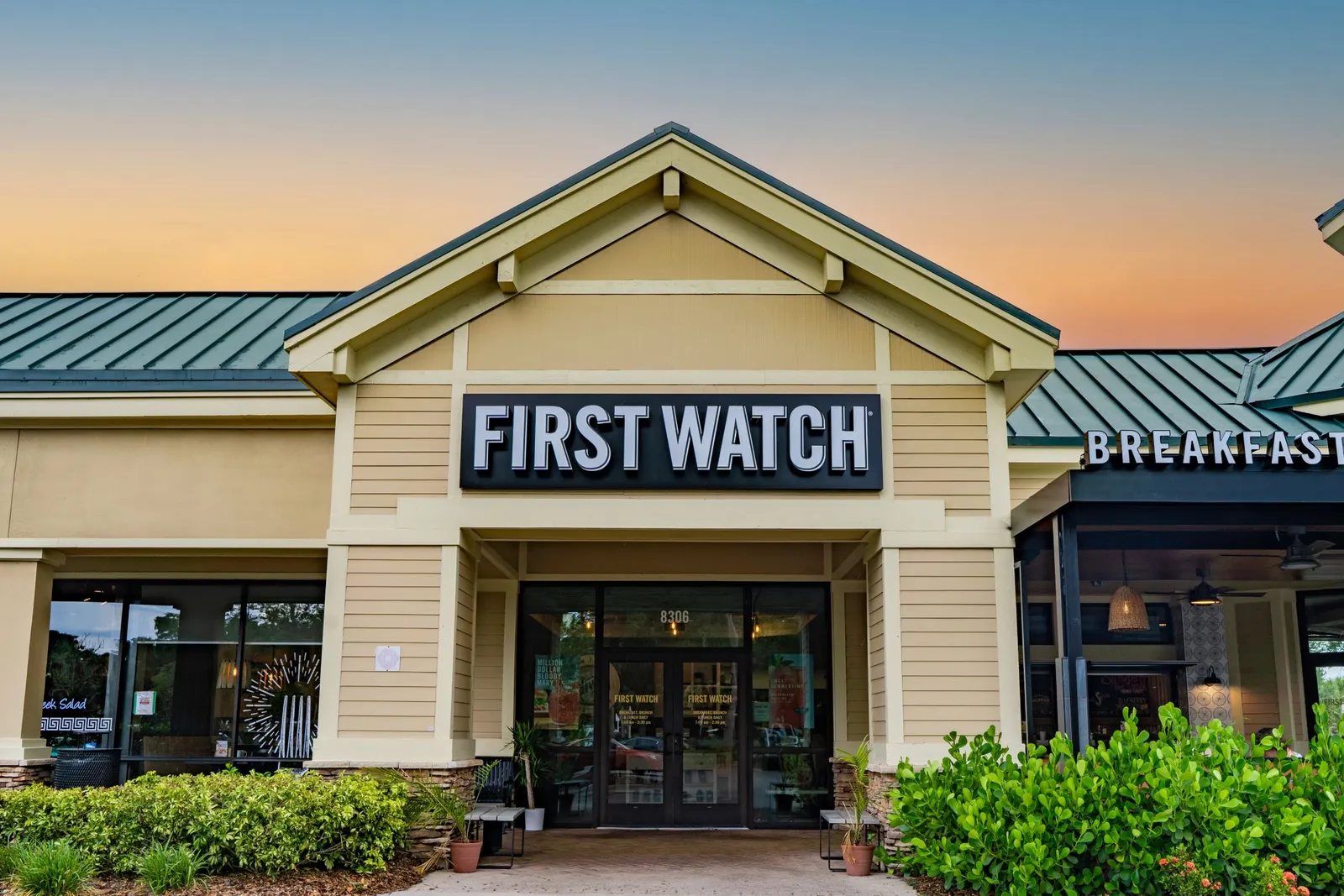
First Watch, which has over 600 units, is among the fastest-growing casual chains and has consistently hit annual unit growth in the low double-digits, Eisenacher said. During 2025, it opened a net 64 restaurants, of which 55 were company-owned and nine were franchised, according to a preliminary Q4 earnings release.
First Watch has also leaned into developing within second-generation space and doesn’t have a specific prototype, making it easier to fit the concept to a given location. First Watch has become so efficient in developing second-generation space that a restaurant in Dover, Delaware, was opened within eight months.
Firebirds has 69 company-owned locations in 22 states and will open in a 23rd state within the next few months, Kislow said. Firebirds posted flat same-store sales growth last year and has an average unit volume of $5.6 million. The company opened five units last year and plans to open seven in 2026 and between eight to 10 in 2027 and 2028, growing at a 10% rate annually.
Firebirds often has one to three restaurants in a state, and 90% of its current development growth is now infilled in markets where it has already built brand awareness, Kislow said.
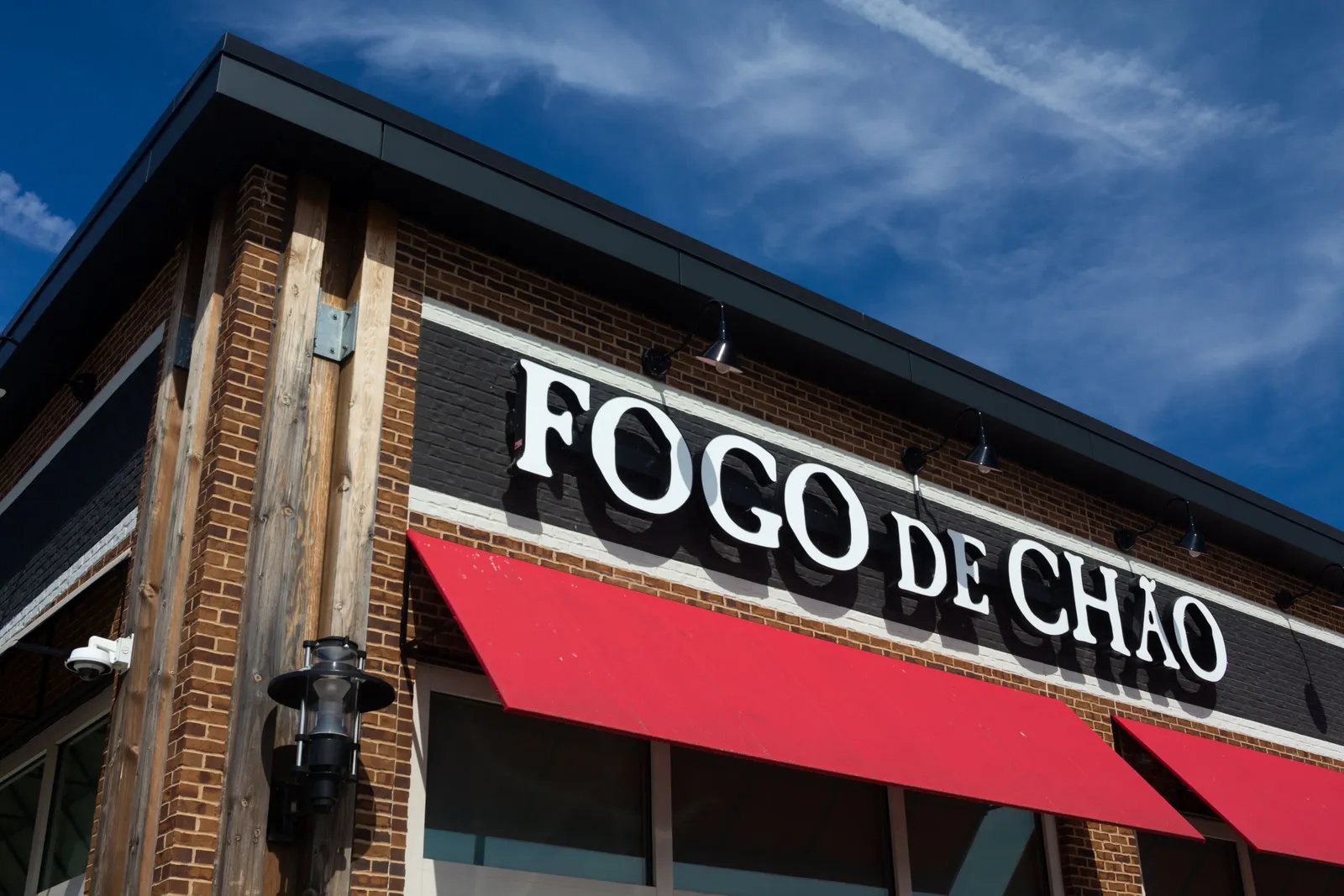
Fogo de Chão will continue its steady growth as it has in recent years. CEO Barry McGowan expects the chain to add 14 to 16 units this year, similar to last year, when it opened 16 units.
While the past two years' comparable sales were down, Fogo posted 11 years of positive traffic and sales, McGowan said during an interview at the ICR Conference this month. However, the last few months of the year were strong at Fogo, and McGowan said he is confident that its algorithm of 3% comparable sales and 12% to 15% in annual unit growth will be sustainable.
Investment in human capital helps Fogo de Chão grow, McGowan said. The company has a very clear path for staff to work their way up to general manager, who then are promoted to run stores as they open, McGowan said. Its people pipeline allows it to predict and staff openings on a three-year timeline.
About 60% of Fogo's new units open in second-generation restaurant space.
“There’s plenty of slack, but the slack is restaurants that are underperforming, doing poorly and being picked up by restaurants like us, [who are] doing really well,” McGowan said. “So that’s where the revitalization is happening and it’s more based off the consumer’s [preferences].”
A casual take on value
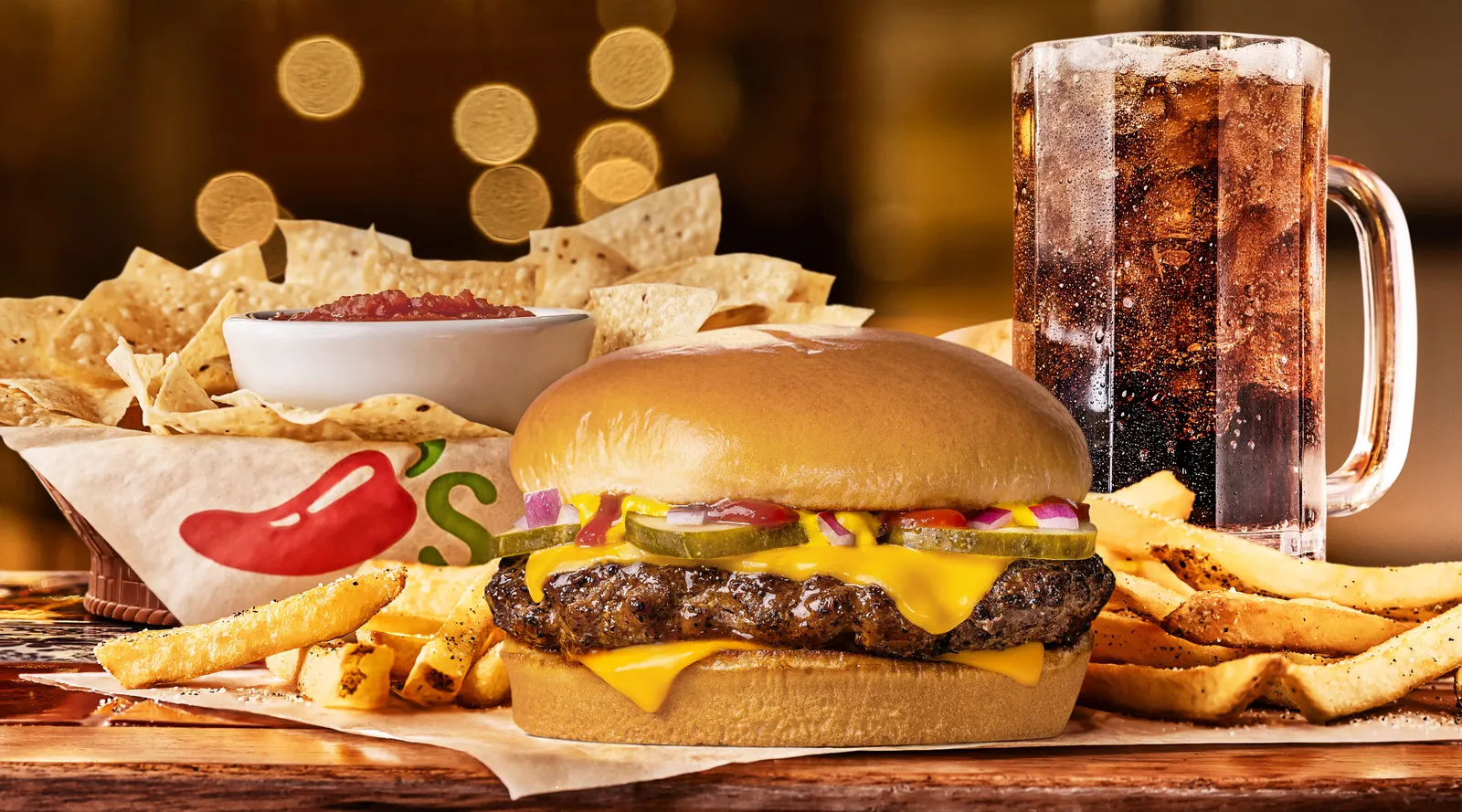
Chili’s was among the best examples of how casual dining chains can offer prices that are competitive with limited-service menus. Given that the average entree at fast casual restaurants is about $15, diners view casual dining deals at $12 as affordable, and casual dining customers get the additional benefit of a full-service experience, R.J. Hottovy, head of analytical research at Placer.ai, said during an interview at the ICR Conference this month.
Chili’s also worked for years to improve its food quality and enhance its menu and service.
“What [Chili’s] did was pretty much unprecedented, especially where they are in their company history,” Hottovy said. “A lot of chains started replicating [the 3 for Me deal] and you’re finding that price point is a very attractive visit driver.”
Fogo offers a range of options that link to value. Its Market Table, a buffet of various side dishes, is available for $18 for unlimited trips. It also offers an all-day happy hour and a $10 Picanha Burger.
“Our full-service with the sides and the Market Table and the hot bar is the same price as a center cut filet at a fine dining steakhouse,” McGowan said. “So the value is really strong.”
Fogo has taken a disciplined approach to pricing, averaging price increases of 2.8% annually over the past five years and adding new menu items to provide more value to guests, McGowan said.
Firebirds’ average check is about $38, including lunch and dinner, Kislow said. While some chains have leaned into promotional value options, Firebird’s offers a three-course meal for $39.95, Kislow said. With value being a big focus, Firebirds will focus more around messaging on its value proposition.
“We’re really optimistic about this year,” Kislow said. “If the consumer on the lower end comes in less often, we may get consumers on the higher end more often because they may be going to Capital Grille or Ruth’s Chris less often. … We’re in the middle and we’ve always been really insulated and we’ve always performed in all financial cycles.”
Firebirds leans heavily on being family oriented and has a vibrant kids menu and possess an approachable atmosphere as a polished casual chain, guests can dress up or come as they are.
“It’s going to get aggressive on the value. There’s going to be a lot of price competition out there,” Hottovy said. “At some point that becomes less sustainable and it’ll be harder for consumers to distinguish in that way, but at the same time, I think [casual chains are] in a good spot.”
Why value needs to encompass experience, not just price
But the brands that are winning have not only improved their value propositions, but also the food quality, Eisenacher said. Better food quality and experience makes customers feel like they’re not “gambling with their dollars,” he said.
While many casual dining chains have updated their menus and added lower price points, that is just part of what can help boost traffic. Customers could come in to try the new items, but if they don’t have a good experience, they likely won’t come back.
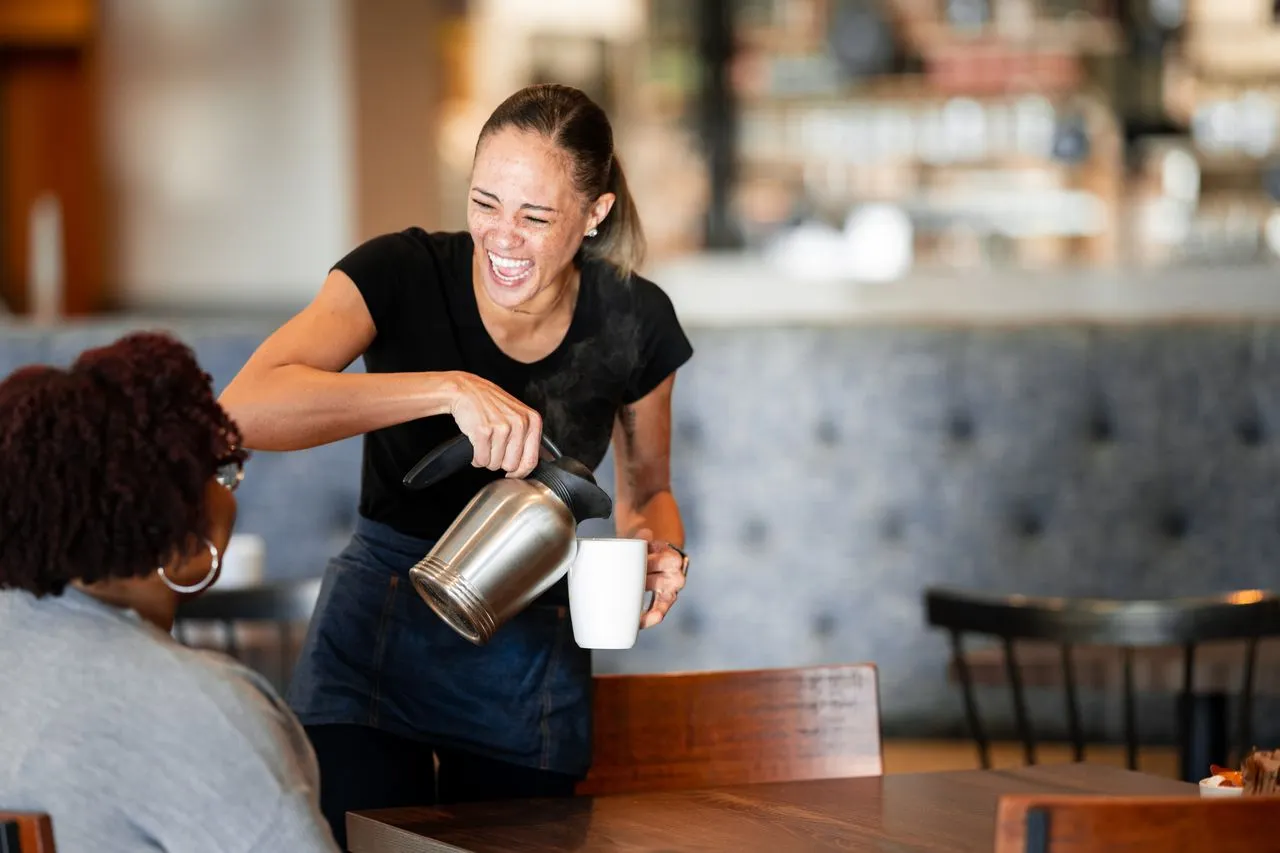
In online reviews, people typically note attitude, attentiveness, friendliness and overall how they were treated, Fernandez said. All of these elements are part of the service model and make the experience valuable, he said.
“You have a service model that provides all those different touchpoints and all those different interactions,” Fernandez said. “Take advantage of those, make each of them special.”
First Watch looked at various ways to improve that experience, like focusing on hospitality to ensure that people feel taken care of in the restaurants. It also doubled the meat portions of one of its popular main entrees, the Trifecta, and improved the quality of its fruit cup.
First Watch increased its investment in its people; improving the staff experience and training has resulted in increased reliability and consistency with the guest experience. The company has seen 10 consecutive quarters of improved labor retention, which Eisenacher said has helped the chain’s restaurant-level efficiency and helped it grow its unit count. The company has restaurant leaders who have been with it for 25 to 30 years, he added.
“When you come to a First Watch, you need to be certain that you’re going to get the best experience for the money you’re spending,” Eisenacher said. “We believe that’s what drives customer loyalty versus discounts that come and go.”