
The Direct Ordering Paradox
Data shows that 58% of consumers prefer to order directly from a restaurant, often spending 35% more when they do. Yet, despite this preference, third-party marketplaces continue to dominate the digital landscape.
While marketplaces serve as a vital acquisition engine, the ultimate goal for any resilient brand is to maximize the direct-to-consumer relationship. Direct orders provide superior profit margins, total ownership of guest data and the ability to deliver a curated brand experience.
If guests prefer direct ordering and restaurants need it, why is the reliance on third-party apps so common? The answer lies in friction. We’ve identified five primary blockers that prevent guests from completing their direct ordering journey, and how leading brands are overcoming them.
1. The Visibility Gap
The biggest competitor for a restaurant isn't the brand down the street; it's the muscle memory of the marketplace app already on the guest's home screen. If a guest has to search for your website, they’ve already encountered a point of friction.
The Strategy: Your brand should appear everywhere guests might search. Top-performing brands use Order with Google and location search tools to turn searches into orders. Furthermore, physical touchpoints—such as QR codes on packaging and calls to action on receipts—serve as the necessary bridge to convert a one-time marketplace user into a lifetime direct guest.
2. The Performance Penalty
Digital guests have been trained by tech giants to expect frictionless checkout. If a restaurant’s mobile site takes longer than three seconds to load, abandonment rates skyrocket.
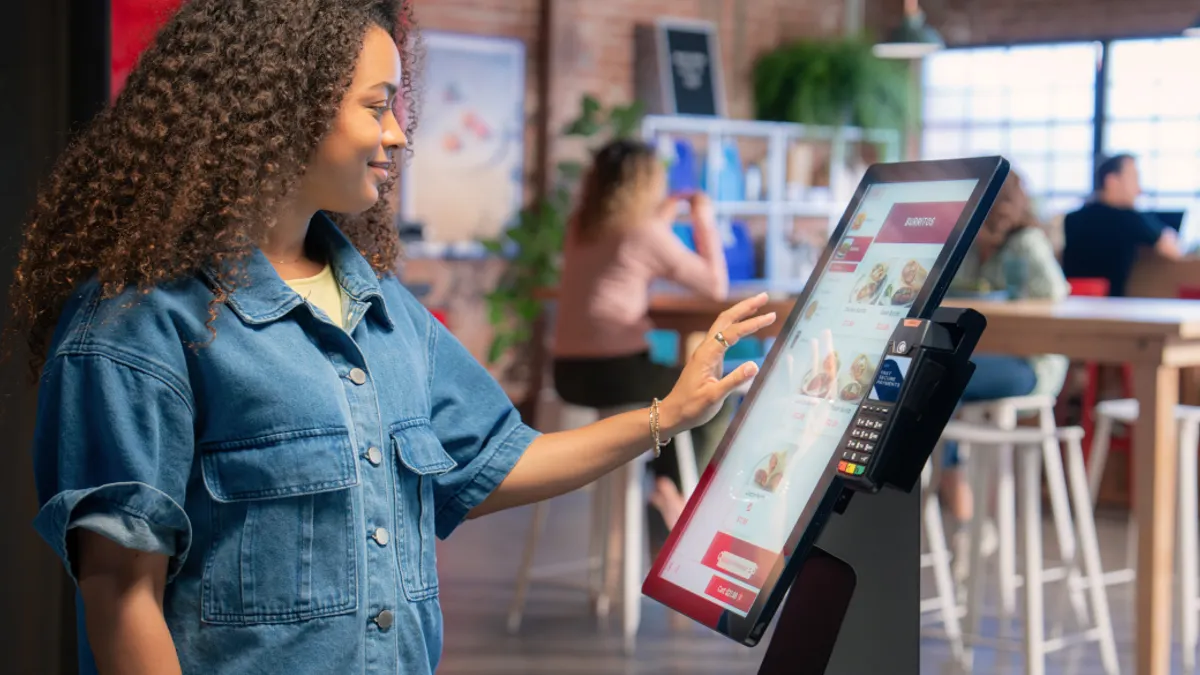
The Strategy: Audit your mobile conversion path. Portillo’s, for example, doubled cart conversion rate simply by streamlining its menu and optimizing the technical checkout flow. High-growth brands leverage solutions that optimize checkout and support mobile wallets—such as Apple Pay and Google Pay—to compete with the convenience of saved payments offered by marketplaces.
3. The Value Proposition Deficit
If a guest perceives no difference in price or no benefit between a marketplace and your site, they will choose the path of least resistance.
The Strategy: Transparency is a powerful loyalty tool. Use your direct channels to highlight lower menu prices and emphasize that loyalty points are an exclusive benefit. Modern ordering platforms now allow guests to accrue points and redeem rewards directly within the digital flow, ensuring guests feel the immediate value of staying on your platform.
4. The Absence of "Digital Hospitality"
A common mistake is treating the digital storefront as a purely transactional utility. When a returning guest lands on a generic page that fails to recognize their preferences, the hospitality experience is severed.
The Strategy: Leverage data to offer personalized smart cross-sells based on cart content and guest history. This isn't just about upsells; it's about decision support. By surfacing recent items and favorite orders, you reduce the cognitive load on the guest, mirroring the attentive service of a top-tier server.
5. The Delivery Perception Hurdle
Delivery orders typically carry a 35% higher average order value (AOV) than pickup. If a guest is unsure whether you offer delivery directly, they will default to a marketplace app.
The Strategy: Clarity is king. Your interface should clearly support multiple handoff modes, including delivery, curbside and drive-thru. To build trust, provide real-time visibility through tools like order trackers and automated SMS notifications for arrival. When convenience meets transparency, the other benefits of direct ordering become the deciding factors for the guest.
The Bottom Line
The shift to direct ordering isn't about asking guests for a favor; it's about providing a demonstrably better experience. By removing these five barriers, restaurants can move beyond the marketplace and reclaim the most valuable asset they have: the direct relationship with their guests.