
The future of loyalty isn’t about giving away points—it’s about building emotional connection and belonging. We’ve entered the golden age of digital engagement, where leading brands go beyond transactions to deliver personal, experiential and identity-driven moments that make guests feel part of something bigger.
Think insider access, cultural touchpoints and playful challenges that turn loyalty from a perk into a lifestyle. The brands winning today aren’t just rewarding purchases; they’re building communities that pull people in and keep them coming back.
This is especially important now because consumers are more selective than ever. Many are skipping dining out, even with discounts, because price alone isn’t compelling enough.
At the same time, participation in loyalty programs is holding steady or growing during uncertainty. With 33% of consumers increasing their use of loyalty programs, this signals that guests still want connection and value, but expect more than 10% off and a generic email blast. The opportunity is clear: reinvent loyalty as engagement, not entitlements.
The new age of rewards is about building a world guests want to be part of. The three ingredients for the new loyalty recipe: personal, experiential and engaging.
1. Get personal
Limited-time offers are fleeting, but relationships endure. Loyalty starts with personal connections.
Blasting out blanket daily discounts to every single loyalty member gets old fast. The messages clutter inboxes without offering much value to the customer. The high-volume, generic benefits may even annoy them.
A targeted offer like “This week only: free drink with your usual entrée” or “Double points every Friday all month”, on the other hand, makes your guest feel seen. More than half of the PAR Technology survey respondents said they would trust a loyalty program more if it offered real-time, personalized perks.
AI-powered tools make personalization achievable. These solutions can use purchasing history, visit patterns and other customer information to create and deliver specialized offers the customer actually wants. This targeting also allows you to give deals to select individuals rather than lowering the price for everyone.
Church’s Chicken achieved quick results from its personalization efforts that enabled guests to enjoy “dinner on us” moments with the brand when simply offered a free side or drink with any purchase. In just the first quarter after their new Real Rewards program launched, loyalty guests spent 20% more and visited more often.
2. Make it playful and engaging
Everyone loves to feel accomplished. Gamification taps into this desire. Adding fun challenges and games can give guests the sense that they’ve earned or won an offer, which feels more rewarding and memorable. They’ll come back more often or make an extra purchase to reach that next level, even when they’re not cashing in a reward.
And who says rewards have to be just transactions? Brands can embrace experiential benefits, such as early access to a new menu item, secret drops or invite-only events. These moments make guests feel like insiders, not just customers.
Keep your member experience fresh. When you tap into trending moments, seasonal obsessions or shared cultural jokes, your program feels timely and fun instead of formulaic. For example, a challenge tied to a viral food trend.
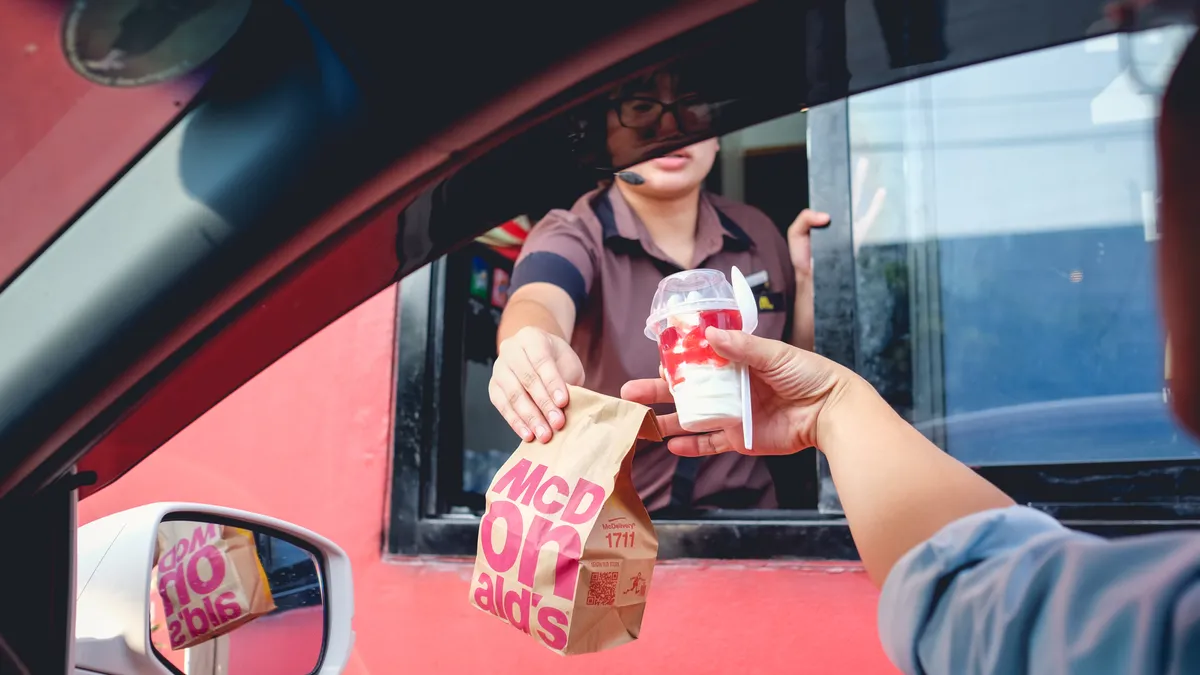
McDonald’s Monopoly is a headline example of gamification: Collect pieces and win prizes ranging from free food to $1M. This time around, the game is both digital and physical. Condado Tacos has used gamification to drive a 44% retention rate with its “Buds with Benefits” tiered rewards program. This encouraged specific behaviors, like new item purchases, and strengthened the emotional bond with their customers.
3. Build a universe of engagement
Not every loyalty member is going to be a super fan. The strongest brands will create a loyalty experience that works for everyone while giving their biggest fans room to go deeper.
Creating a brand universe starts by mapping out multiple layers of engagement, from simple, low-effort touchpoints to deeper experiences fans can choose to explore. At the base level, you offer easy wins: instant rewards and frictionless redemption. For the more engaged guests, you can introduce richer experiences — unique challenges, product drops, early access or events that feel like part of the brand’s personality.
The key is designing a system where nothing is required, but everything is available. Casual guests get value without extra effort, while devoted fans can dive into memorable, immersive moments.
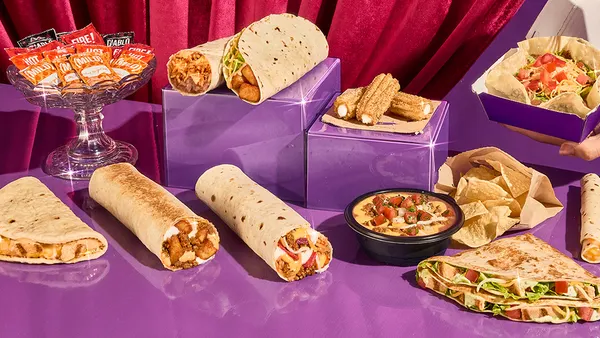
Taco Bell has built a world around its brand. People opt into the layers they care about. The chain continually introduces unique items, brand challenges, fan voting and pop culture promotions. Guests can simply pick up a limited-time taco or take the time to vote on the next special dish.
When most consumers have five or fewer active loyalty memberships and more than half of programs offer nontransactional rewards, the competition to create and maintain a loyal customer is high. Making it into diners’ regular rotations will require a creative, engaging experience that treats them like individuals. It's vital for brands to build a layered universe. Anchor it in personalization. Keep it playful. Give people something to belong to, not just buy from and you’ll turn loyalty from a discount into a durable advantage. With the tools available now, the possibilities for loyalty programs are endless.
###
About the Author
Joe Yetter is the General Manager of PAR Engagement at PAR Technology Corporation where he is responsible for business development and driving the company’s strategic vision. Prior to his role as General Manager, Joe was CGO, General Manager, Vice President and Chief of Staff, where he spearheaded projects including the acquisition of Punchh, company integrations, executive recruiting and has established PAR’s KPI setting and tracking process through business reviews. Prior to joining PAR, Joe worked at Restaurant Brands International, overseeing Franchisee Operations for Burger King Restaurants in multiple global regions. He also held various leadership positions at RBI across marketing, development and finance. Joe received his B.S. in Economics from Duke University.