This winter has not been kind to restaurants. On top of the traditionally slow months of January and February, restaurants in much of the U.S. have grappled with inflationary pressure and extremely cold weather that has kept diners at home, said Stephen Zagor, an adjunct associate professor of business at Columbia University’s school of business, who specializes in the restaurant and food business.
Looking ahead to warmer weather, restaurants can help dig themselves out of their post-holiday winter funk by taking advantage of prominent spring holidays and events. Mardi Gras, Easter, the March madness basketball tournament and a slew of local celebrations can all benefit restaurants that are poised to take advantage. St. Patrick’s Day — which is among the highest-grossing days for alcohol consumption throughout the year — is an especially good chance for certain restaurant types to drive sales and bring in repeat customers, he said.
When considering what holidays and events they should participate in, restaurants should think about what their regular guests would want to celebrate and what their teams can execute successfully, said Alexandria Dempsey, vice president and managing director of hospitality PR firm, af&co.
Restaurants need to determine “what will be appealing to a loyal customer base, to be sure guests are excited to come back for a regular Tuesday night dinner,” said Dempsey.
Then operators need to start planning for those holidays at least a month in advance to ensure their teams are ready to handle the influx of business and to give them enough time to spread the word about specials and promotions, Dempsey said.
A strong plan for marketing the holiday through social media, email marketing campaigns and staff interactions with guests is as important as the offer itself, she said.
Certain types of promotions, drink offerings or meals work for different restaurant types and attract different customers. One-day holidays can increase brand awareness for restaurants, and can turn first-time diners into regulars if the experience is great, Dempsey said. But those offerings should naturally fit within the restaurant’s concept and skillset, she said.
“Making a great impression on these holidays can help establish a loyal relationship,” said Dempsey. “It’s important to set teams up for success and ensure that both back-of-house and front-of-house teams are prepared to handle an increase in business or an adjustment to the typical menu.”
Easter specials
Easter promotions tend to center around sit-down occasions, but there are still opportunities for limited- and quick-service restaurants to tap into the holiday rush as well, said Lizzy Freier, senior director of menu research and insights at Technomic, a foodservice consulting firm.
Last year, 32% of the restaurants that offered Easter-specific promotions were casual dining eateries, 24% were quick-service restaurants, 20% were fine dining establishments and 14% were fast casual restaurants, according to Technomic’s Ignite Menu, which provides food service data and trends.
While Easter is considered one of the biggest days of the year for full-service and upscale restaurants, eateries are often competing with grocers and retail stores. The traditionally family-focused and home-centered holiday prompts many people to cook traditional meals at home or attend family gatherings, said Zagor.
So, regardless of the restaurant type, operators should offer family-friendly menus to attract large groups, including those with young children, said Dempsey.
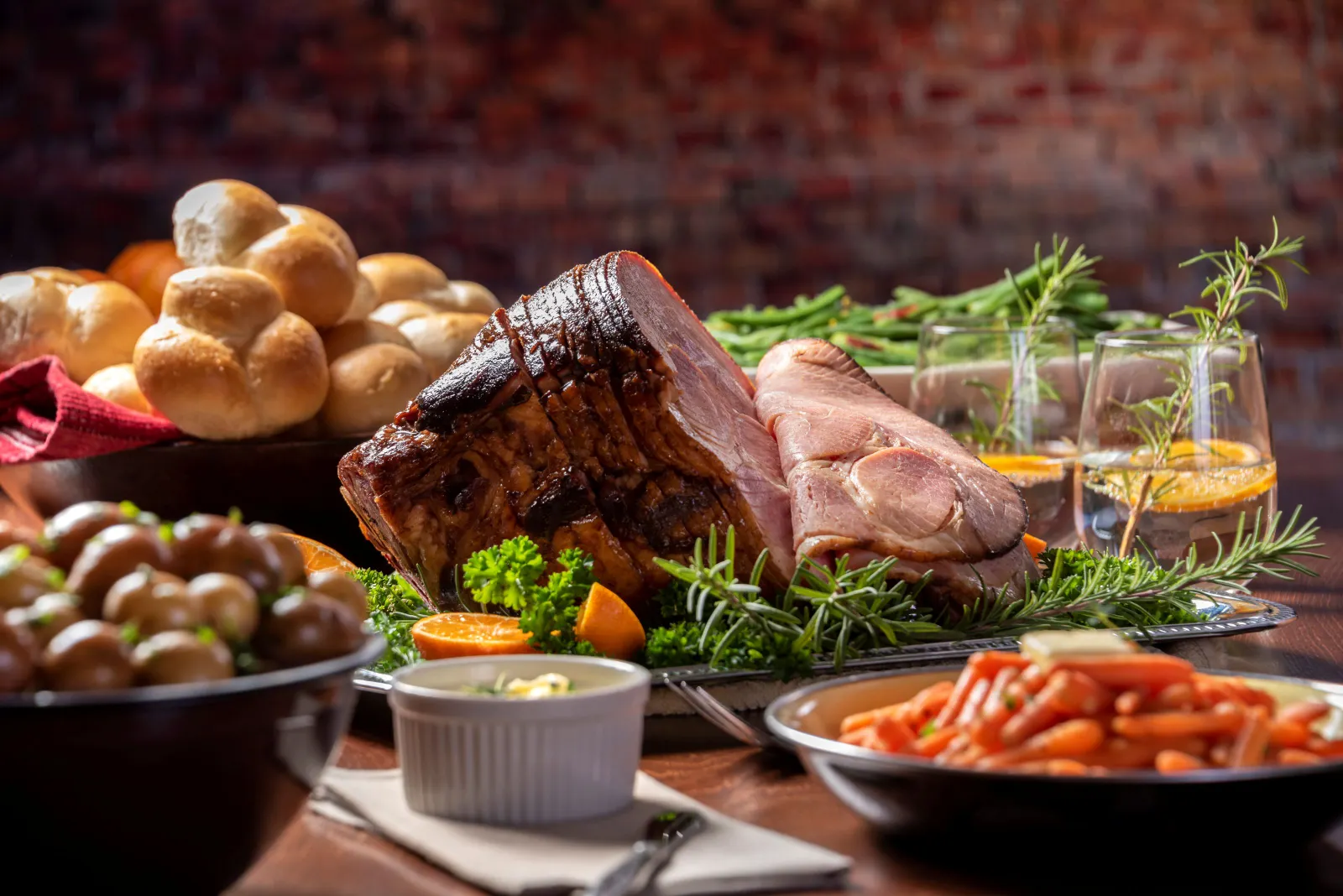
Takeout family meal packages serving items like honey-glazed ham, sides and bundled desserts, can attract those looking to avoid cooking at home, Zagor said.
Restaurants can attract Easter diners by offering bottomless mimosas, kid-friendly options, and photo opportunities with the Easter Bunny, said Zagor. They could even offer egg hunts or activities for kids to extend the experience beyond the meal, he said.
Prix fixe, family-style menus and bridge dining, referring to mid-afternoon family festivities, during the holiday can also lead to check sizes that are 30% higher than average, he said.
Last year, specialty entree dishes were served by 14% of the restaurants that sold specialty items during the holiday, said Freier, citing Ignite Menu data. Ice cream was served by 11% of such restaurants, while cocktails were served by 10%, she said.
“Easter success depends on experience and hospitality,” said Zagor. “Because most diners seek themed-experiences or multi-course feasts on Easter, the pressure is on the staff to provide high-touch service for large tables.”
St. Patrick’s Day specials
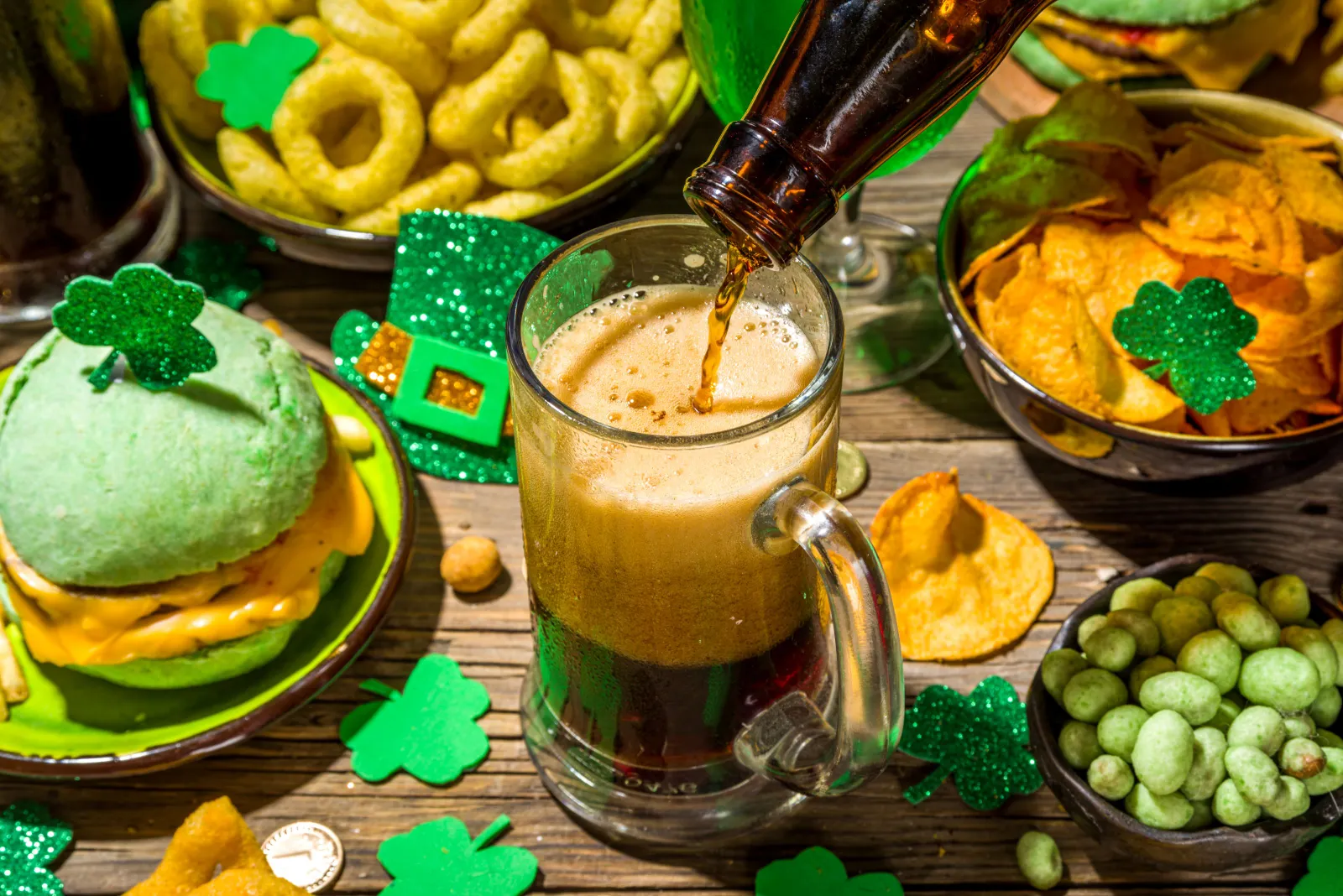
There are opportunities for all types of restaurant segments to promote items geared toward St. Patrick’s Day, such as green-colored food and drinks, limited-time adult beverages, and corned beef items, said Freier.
Irish-inspired specials or cocktails — even if they’re just loosely Irish-inspired green drinks — tend to work for certain restaurants on St. Patrick’s Day, said Zagor. But higher-end restaurants could devalue their brand by serving green beer, and instead may want to offer a flight of small-batch Irish whiskey, instead, attracting an audience that is likely to spend more during their visit, said Dempsey.
Weekend brunch promotions, prix fixe menus for groups, live events, or green decorations around the restaurant that create Instagram-able moments have also been effective, said Zagor.
Restaurants and bars can maximize sales and profits by stripping down their menus to a few high-speed items like premade corned beef to keep the kitchen from getting overwhelmed by a high volume of customers, he said.
Menu items should tap into the holiday’s traditions and be geared toward comfort, such as cabbage, stews, and soda bread, he said.
Bundling items together at a set price — even items that are not expensive — can also give guests a sense of value, said Dempsey. During St. Patrick's Day, a restaurant could offer an Irish whiskey flight and a three-course brunch menu for $40, or a happy hour menu that includes small bites, which encourage guests to linger, she said.
“Guests want to feel they are getting value when they go out to eat, whether it’s for an extensive tasting menu or for a great breakfast special,” Dempsey said.
Disclosure: Technomic is part of Informa, the company that owns a controlling stake in Informa TechTarget, publisher of Restaurant Dive.