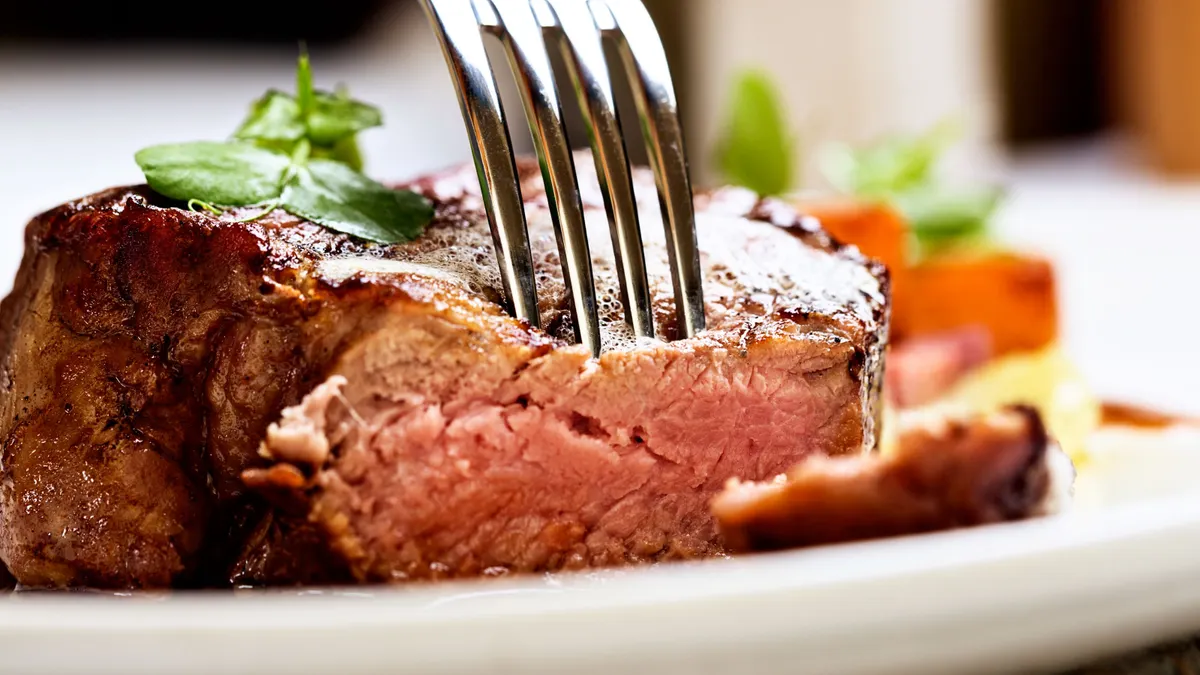
Tariffs on pasta, seafood, coffee, pork, beef, and a host of other ingredients have caused restaurants to face tighter margins this holiday season. Though many of these levies have been weakened or repealed, they have still complicated planning or pushed prices up.
The added costs come as restaurant owners and chains were already grappling with high food, labor, rent, utilities and insurance costs due to inflation, immigration policies, climate change and a host of other factors.
The troubles caused by tariffs have required restaurants to get creative in finding ways to shave costs when setting schedules or crafting their holiday menus, and in finding ways to generate new revenue streams during the busy holiday rush, restaurant industry experts say.
“Restaurants heading into the holidays 2025 are not seeing peace, joy, and comfort,” said Stephen Zagor, an adjunct associate professor at Columbia University, who specializes in the restaurant and food business. “Across all segments, holiday survival requires craftiness.”
Tariff-related cost increases can be dramatic for restaurants that purchase a lot of foreign food products, said Rick Camac, executive director of industry relations at the Institute of Culinary Education. The impact, he said, could particularly hit Italian restaurants, which require authentic regional products imported from Italy, and Japanese omakase restaurants.
Restaurants deal with higher costs
After surviving the COVID-19 pandemic, restaurants were forced to confront supply chain disruptions and surging rent, utility and debt costs. The cost of labor also rose due to rising wages and benefits among both restaurant staff as well as growers, manufacturers, and distributors, said Zagor.
Over the past five years, restaurant food and labor costs surged 35%, according to the National Restaurant Association. In September, the overall food price index was over 4% higher than the year prior, the NRA reported.
As expenses rose, so have menu prices, which increased 31% between 2020 and 2025, allowing restaurants to hold their 5% margins, according to the NRA.
And the increased prevalence of extreme weather and drought has “put pressure on a variety of crops and food sources, driving up costs both domestically and via international trade,” said Ryan Tuttle, senior consultant at Euromonitor International. That’s affected the cost of wheat, chocolate and some produce, such as avocados and oranges.
Now, federal policies are raising costs even further.
Purchasing imported items such as olive oil, prosciutto, parmigiano, wine and spirits from European Union countries has become expensive due to tariffs, said Zagor. The U.S. reached a trade deal with the E.U. in July that set a 15% tariff ceiling on most imports.
Imported seafood products have also been hit for higher prices due to tariffs and geopolitical conflicts such as trade restrictions on fish from Russia. Tariffs on aluminum and steel have raised the price of canned beverages and non-food products, such as packaging and take-out containers, said Zagor.
Tariffs on beef from Brazil resulted in margin pressures as restaurants absorbed price increases, however, restaurants could see some relief soon, said Tuttle.
The White House significantly reduced its tariffs on Brazil, effectively removing the additional 40% duty that had been applied to the country’s beef. The move also ended tariffs on Brazilian coffee, cocoa and fruits, which Tuttle anticipates should ease some financial burden.
Still, the surge in the cost of beef has also been attributed to record low cattle supply linked to severe droughts and a cattle disease outbreak in Mexico.
Some large operators were able to stockpile their imported food inventory before the tariffs took effect, but smaller restaurants are taking a financial hit or are trying to substitute those items with domestically produced ingredients or other non-tariffed options, Zagor said.
Food production and distribution have also been impacted by the Trump administration’s immigration crackdowns, as both sector’s labor forces rely heavily on immigrant workers, said Tuttle.
The deportation operations have impacted undocumented immigrants as well as documented temporary workers and permanent residents who are facing “trepidation in employment,” he said. That’s had an impact on restaurant staffing levels as well, he said.
Crafting price-sensitive menus
Italian and Mediterranean full-service operators that stake their identity on serving imported olive oil, cheeses, wines and seafood have tried to find ways to lower costs, such swapping European wines with American bottles, while marketing the substitution as an “inflation busting special,” said Zagor.
Others have had to replace most or all of their imported cheeses with domestic ones, or replaced higher-priced steaks, veal and imported fish menu items with pork, chicken and pasta dishes, he said.
While menu prices have risen as a result of the increased costs, restaurants have been generally wary of consumer pricing sensitivity, said Camac. Many operators have restrained price increases to preserve demand, meaning menu inflation won’t completely offset the added costs, affecting profits, he said.
Restaurants typically mark menu prices for holiday events 1.5 to 3 times higher than their regular menu prices, said Camac. But additional seasonal mark-ups are lower than usual this year out of fear of losing business, he said.
To help chip away at the lost revenue, operators are reducing portion sizes or adding inexpensive sides to keep the value perception of their offerings high, said Camac.
Some are also offering holiday prix-fixe menus since “it’s easier to hide food costs inside a neat three-course bundle than on an à la carte menu where guests can do math,” Zagor said.
Restaurants have been simplifying their menus with better value options that come with smaller portions, said Benji Bahena, research analyst at Euromonitor International.
“Menu pricing is really focused on optimization and working with tough margins as much as possible,” said Tuttle. “Setting consistent pricing is helpful for targeting price conscious consumers, while added value items can help pad margins in a difficult environment.”
Finding ways to boost margins and staffing
The economic environment has also made scheduling workers challenging during the holidays, as restaurants try to weigh the amount of business they think they will get on a particular day with their available budgets, said Zagor.
Restaurants may “load up for weekends and the holidays, cut back on the early weekdays, and pray that no one calls out on New Year’s Eve, when the restaurant is one reservation away from combustion,” Zagor said.
Operators should focus on retention and hiring good management at the location level, while keeping an eye on new entrants to the labor market as the economy softens and other industries reduce employee headcounts, said Tuttle. Those dynamics could create opportunities to hire professionals that are outside of the foodservice industry, he said.
Some chains are also trying to generate new revenue during the holidays by looking beyond food.
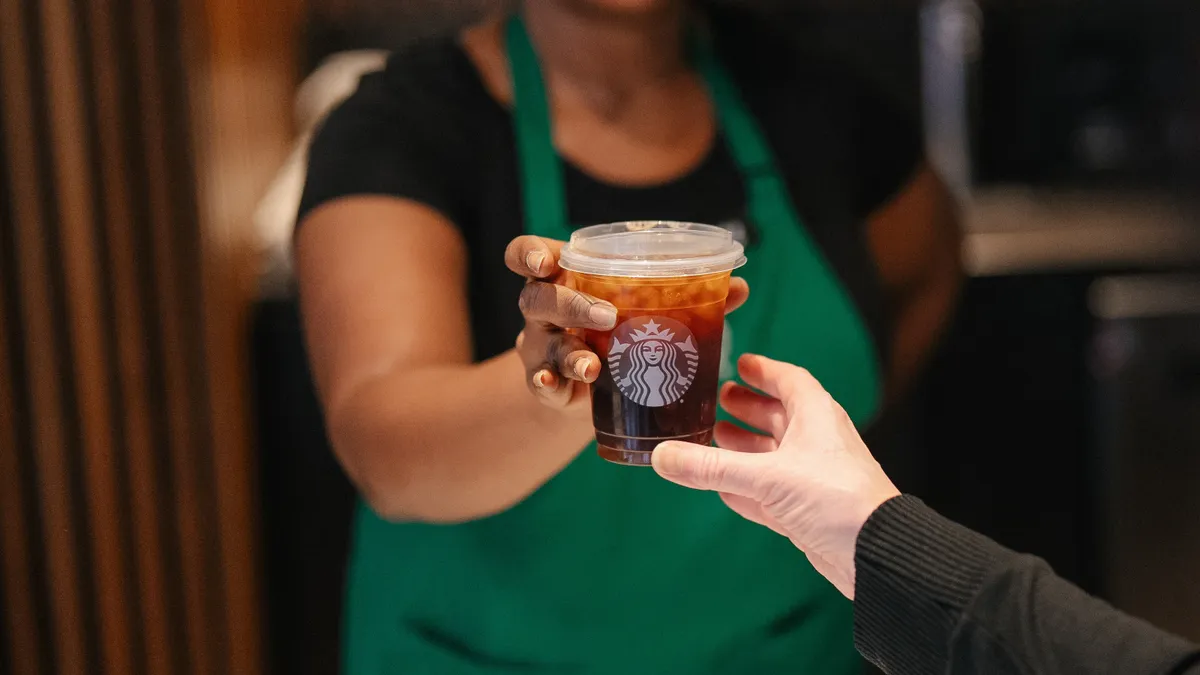
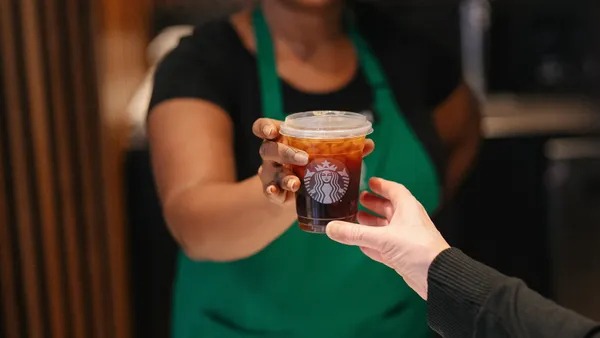
This season, Starbucks released glass Bearista Cold Cups along with their red cups and traditional Christmas menus. McDonald’s elevated their Big Mac and chicken nugget value meals through its holiday Grinch meal deals, which include patterned socks and dill pickle seasoning for fries — an offering that encourages repeat visits and gives consumers added value, said Bahena. And Chick-fil-A is offering a holiday merchandise collection on their website.
Restaurants can still thrive despite the challenges, and find ways to “make the holidays magical,” said Zagor, through “atmosphere, storytelling, hospitality, and the shared understanding that going out in December is as much about experience as it is about food.”