OpenTable will update its client agreements on April 16, to extend its system of record terminology to all of its partner operators. This means that restaurants must agree OpenTable will be the primary table management system for both front- and back-of-house operations, the company said in a Wednesday blog post.
The move is meant to make OpenTable a “single source of truth that protects guests and restaurant data, maintains real-time availability, and guarantees that when a guest books a table, it actually exists,” the company wrote in an email to Restaurant Dive.
The company said its system of record language “isn’t a new term or a new way of working with many of our partners.”
The shift won’t keep restaurants from working with other table management systems and is meant to protect them from “unauthorized bad actors.” The company characterized these bad actors as unauthorized third-parties, sometimes encouraged by direct competitors, that access OpenTable outside approved channels, or that get around technical safeguards.
“This includes pulling availability or extracting guest and restaurant data without permission, or attempting to replicate bookings through unofficial means — practices that can compromise both data security and booking accuracy,” the company said.
Unauthorized scraping of availability and guest and restaurant data by bad actors has increased lately, the company said in its website post. These third parties then attempt to replicate bookings on their own platforms, the company said.
“Implementing OpenTable’s System of Record standard will help you establish an authoritative source of guest and restaurant data, which will ensure all legitimate guest and restaurant data will move through your official OpenTable channels and reduce the security, privacy, and fraud risks associated with unauthorized access,” the company said in its post.
OpenTable said it remains a multi-platform company that works with 200 authorized partners, including demand-generating channels like Google, Meta and OpenAI, which abide by OpenTable’s security boundaries. In recent years, OpenTable announced partnerships with ChatGPT and Uber Eats.
“Ultimately, we are selective about who we decide to integrate with, ensuring that the stability of our platform remains intact, and therefore the stability of our restaurant partner experience remains intact,” the company said. “As a policy, and to ensure we maintain our security and privacy obligations, we do not grant access to those who risk or outright compromise platform integrity.”
The updated client agreement includes a new Global Data Appendix explaining exactly how OpenTable and restaurants share the handling of guest data, according to the company’s web post. That includes obligations like requiring that both parties use strong passwords and limit data access to staff who need it, among other requirements.
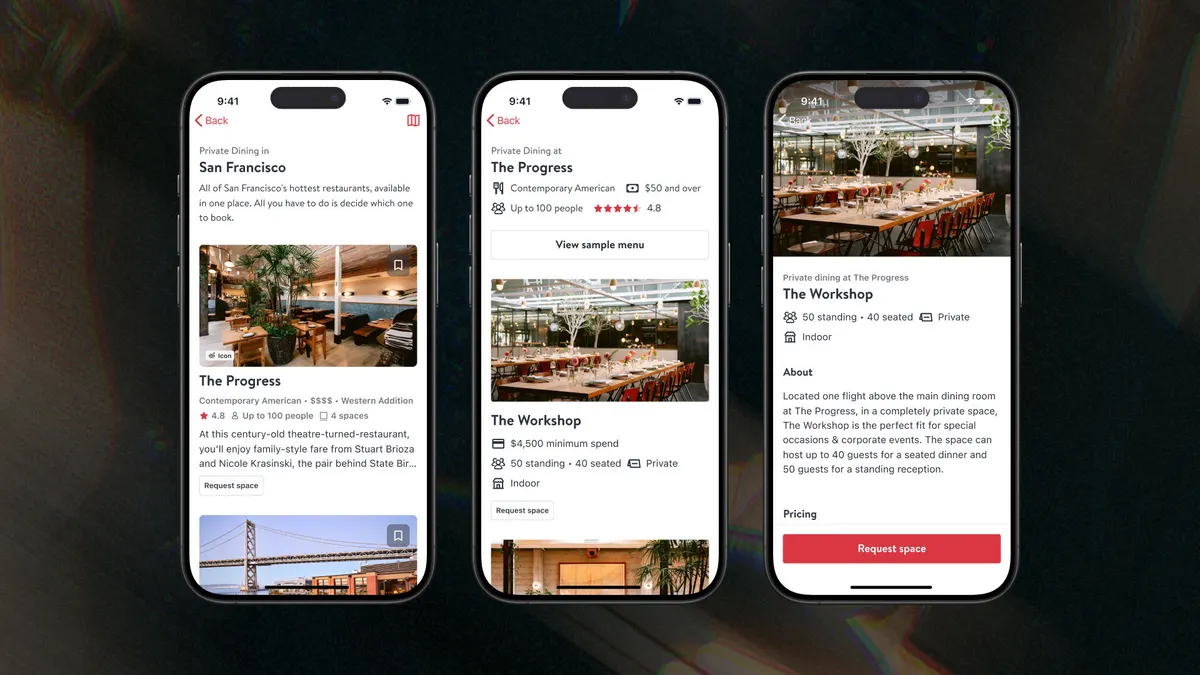
The tech company also added multiple features to its platform, including a global guestbook and offline reservations. Restaurants that add walk-in and phone reservations to the OpenTable Global Guestbook will appear in guests’ OpenTable accounts, allowing diners to manage their reservations without having to contact the restaurant directly. The reservations will also appear in a restaurant’s Global Insights. Restaurants will be able to see more guest data, like consumer turn times and spend patterns, rather than just online booking data.
OpenTable also updated its agreements about auto-renewel, which previously defaulted to month-to-month. Agreements now automatically renew on a 12-month term. The tech platform clarified policies governing early termination fees. Existing restaurant partners aren’t impacted by the auto-renewal change.