Dive Brief:
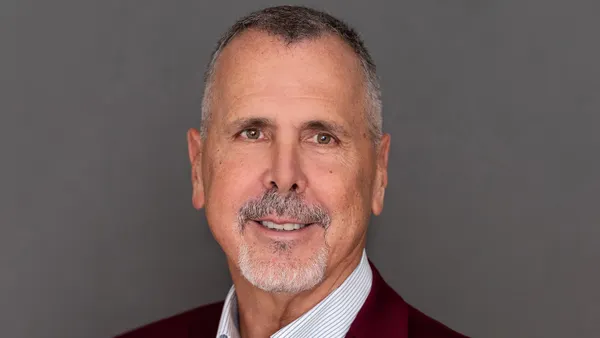
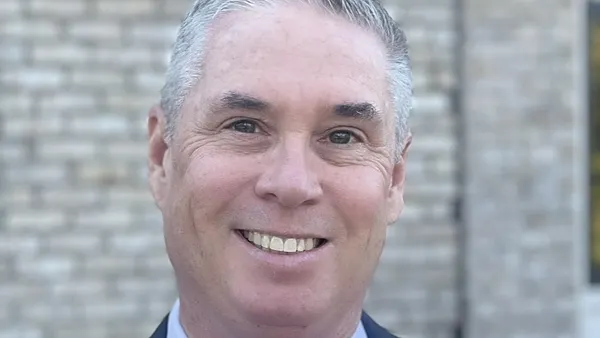
- Denny’s appointed Christopher Bode as its president and CEO, according to a Monday press release. Bode previously served as the chain’s president and chief operating officer.
- Bode’s promotion coincides with the chain’s launch of a 24-month transformation plan, dubbed “Project Grand Slam,” meant to modernize the business through menu innovation, digital transformation and a commitment to operational excellence.
- Bode succeeds Kelli Valade, who left the chain earlier this year to become CEO of nonprofit WFF. He takes the CEO post several months after the casual dining chain was acquired by a trio of private entities, including franchisee Yadav Enterprises.
Dive Insight:
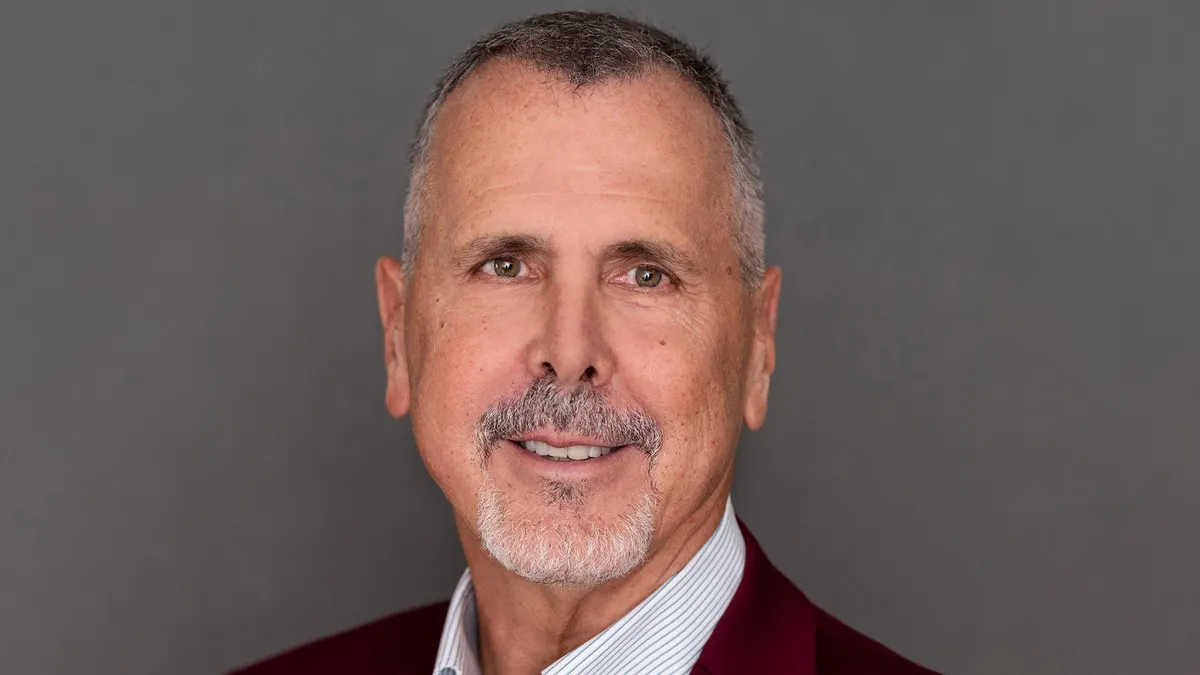
Prior to going private, Denny’s suffered several quarters of same-store sales declines and closed over 100 locations in 2024 and 2025. Interim CEO and Chief Transformation Office Anil Yadav said Bode is an ideal leader to oversee the brand’s turnaround.
“His ability to bridge the gap between high-level corporate strategy and ‘boots-on-the-ground’ execution is exactly what we need to accelerate our growth,” Yadav said in a statement.
Bode returned to Denny’s in September 2024 after a roughly two-year stint at CKE Restaurants where he served as COO and president of Hardee’s USA. He spent over a decade as COO at Denny’s prior to CKE, according to his LinkedIn profile. He also worked at Dunkin’ Brands for over two decades, serving in various operations and development roles.
Denny’s said that when Bode previously served as COO, the chain outperformed the family dining category in 30 out of 45 quarters. He has “unparalleled depth of operational knowledge and a consistent track record of driving record-braking valuation growth,” Denny’s said.
The turnaround plan will focus on culinary and flavor innovation, setting up a beverage program across dayparts, enhancing catering and bulk solutions, remodeling stores, expanding its retail brand and transforming its digital operations, per the press release. Importantly, the chain will work with franchise partners to ensure they are delivering strong four-wall economics, Bode said.
“As we’ve transitioned from a public to a private company, we’ve approached our path forward with real examination, real adjustments and a clearer focus on the things that actually move performance in our restaurants,” Bode said in a statement. “We are operating in a difficult economic environment, but private ownership gives us more freedom to look at the business honestly, move faster where change is needed and make adjustments quickly.”