Dive Brief:
- Burger prices at restaurants have increased by about 14% since January 2023, according to Datassential’s Burger Price Index. Beef production costs rose 32% during the same time, as well.
- Despite beef costs rising more than twice as much, burger prices have closely mirrored food away from home inflation, which increased 13% during the past two years, the press release said.
- Burger prices at limited-service restaurants were up 16% over the past two years compared to up 12% for full-service burgers.
Dive Insight:
Burgers remain one of the most traffic-driving items in the industry, which means sharp increases threaten the perception of value, the press release said.
“Operators can't simply pass every cost increase directly to the consumer,” said Jim Emling, CEO of Datassential. “The data shows just how carefully restaurants are managing pricing on high-visibility items like burgers while balancing costs across the rest of the menu.”
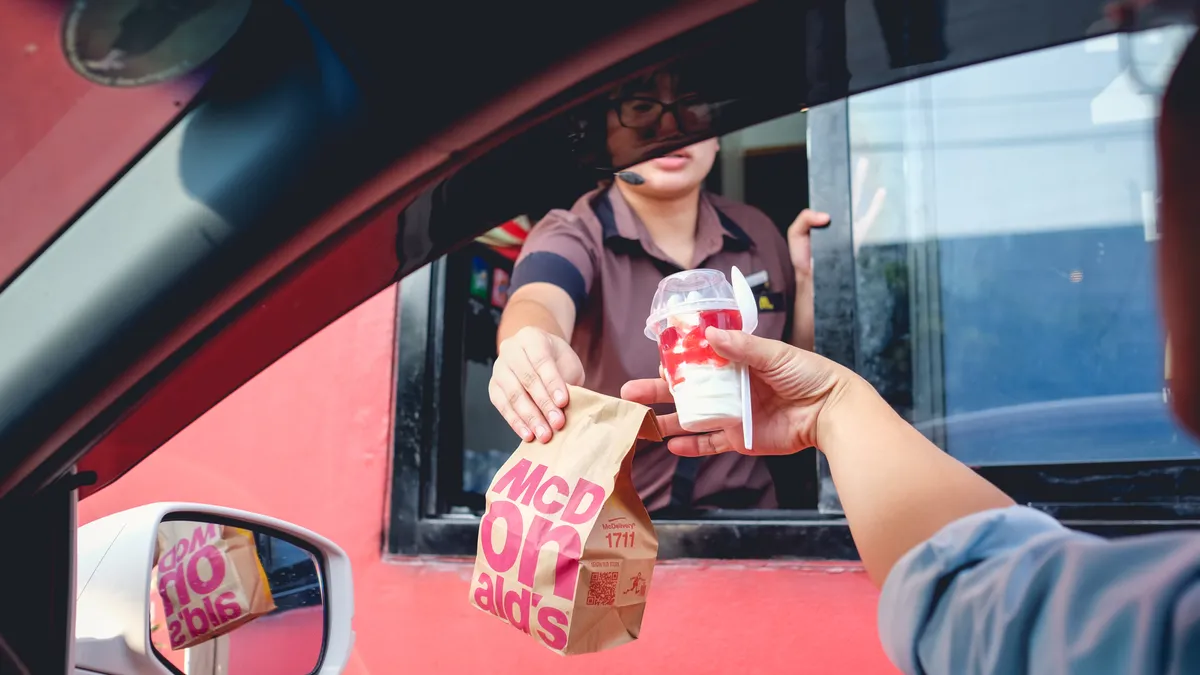
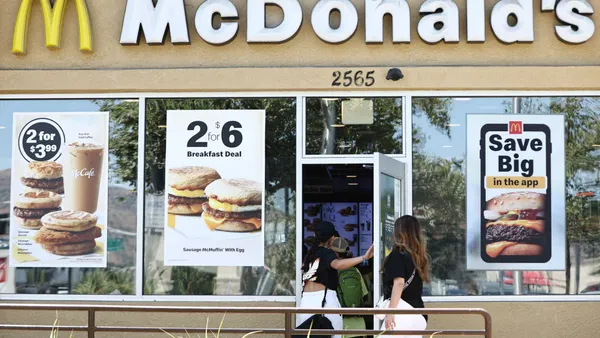
Brands have focused on increasing value around their burger items. In 2024, McDonald’s struggled with consumer’s perception of value amid reports that its prices rose significantly over the past few years. That led the chain to move toward value menu items, like its Extra Value Meals, McValue and buy-one-get-one-for-a-dollar offers. Since then, McDonald’s has seen traffic and sales increase, most recently reporting a 6.8% uptick in same-store sales in Q4 2025.
Chili’s deployed multiple marketing campaigns to highlight the affordability of its burgers, particularly its Big Smasher Burgers, priced at $10.99 as part of the chain’s 3-for-Me deal. That combo includes a side of fries, bottomless non-alcoholic drinks and chips and salsa. These burgers helped drive massive gains in traffic and sales in 2024, momentum that continued into 2025.
With focus on keeping burgers affordable, Datassential suggested that other menu prices have likely gone up in other areas to compensate. Those adjustments can include price increases outside the store. Shake Shack raised in-store menu prices by about 2% during the fourth quarter, while pricing across all of its other channels rose 4%. This year, the chain expects pricing to go up about 3%, according to an earnings call.
However, some chains are simply taking a hit on margins. Burger King U.S. saw commodity inflation rise 7% last year, mostly due to beef costs, which increased over 20% during the year, Sami Siddiqui, Restaurant Brands International CFO, said during a February earnings call. The chain posted a year-over-year decrease in average four-wall profitability. If beef prices were the same as 2024, four-wall profitability would have been flat for the year, rather than declining, Siddiqui said.